The bigger the game, the bigger the fun!
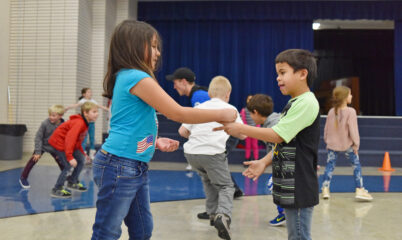
Large group games are a great way to get lots of students active at the same time. That makes them especially valuable for summer camps and afterschool programs, where group sizes can often be larger than in a traditional school setting.
But with more players come unique challenges. Games for large groups need to scale well, keep everyone moving, not require tons of equipment, and have simple rules that kids can learn quickly. The best ones also create an environment where everyone can participate safely while respecting their own space and the people around them.
That’s why the best large group games do more than fill time. They quietly teach kids something about how to treat each other.
The five games below do more than keep large groups engaged. They also help build compassion by encouraging kids to notice a teammate, lend a helping hand, or celebrate someone else’s success. Instead of teaching compassion through a separate lesson, these games weave those moments into play, helping positive interactions happen naturally.
I Love My Neighbor
Equipment: Chairs or cones
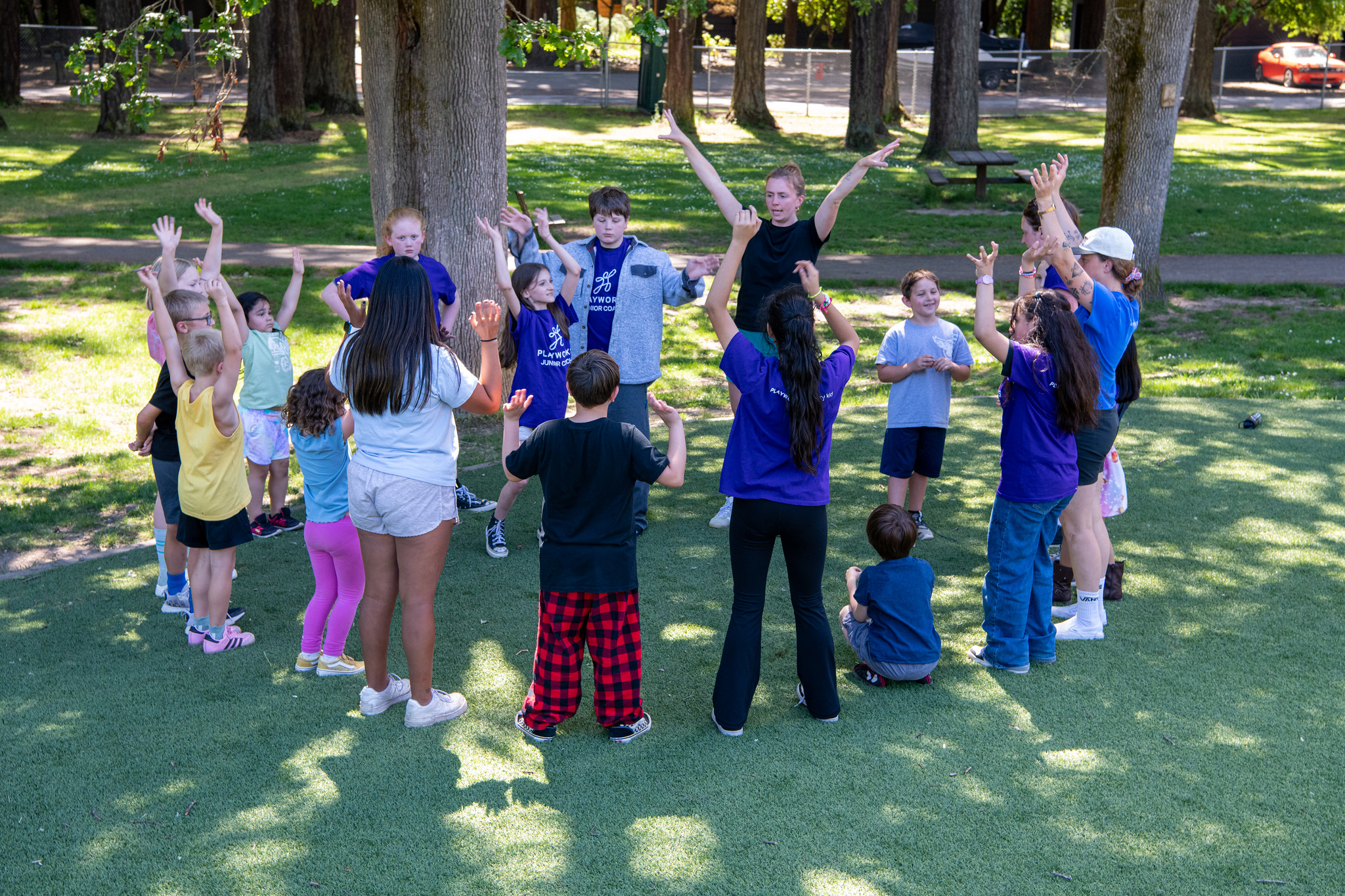
How to Play: Set up a circle of chairs or cones with one fewer spot than the number of players. The person in the middle starts a sentence: “I love my neighbor, especially my neighbor who…” and finishes it with something true about themselves (ex. …has a pet, plays an instrument, or was born in another state).
Anyone the statement applies to has to get up and find a new spot, including the person who started it. Whoever’s left in the middle goes next.
Why it builds compassion: This game gets kids to notice what they have in common with people they might not usually talk to. It’s a light, low-pressure way to remind a big group that everyone in it has more overlapping qualities than they’d guess.
Facilitation tip: This is an excellent game to play with kids or adults at orientations to help break the ice and build rapport.
Helping Hands Tag
Equipment: Cones or bases for boundaries
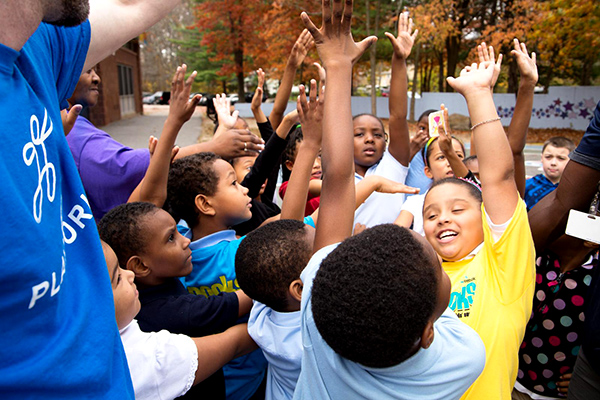
How to Play: Two or three taggers try to freeze other players. Once frozen, a player has to stand still with both hands held out until two other players each grab a hand and walk them to the “recharging station,” where they do a few jumping jacks before rejoining the game. Nobody can be tagged while they’re helping a frozen player get to safety.
Why it builds compassion: The game only works if kids are willing to stop what they’re doing and go help someone who’s stuck. For the tagged players, it shows that asking for help isn’t a sign of weakness, it’s a smart way to help yourself get back in the game.
Facilitation tip: When playing with younger children, take time to debrief afterward. Ask what it felt like to be frozen and waiting, and what it felt like to be the one who came to help.
Mannequin Tag
Equipment: No equipment needed
How to Play: The setup for this game is similar to Helping Hands Tag, but with a twist!
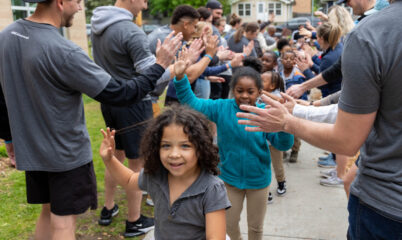
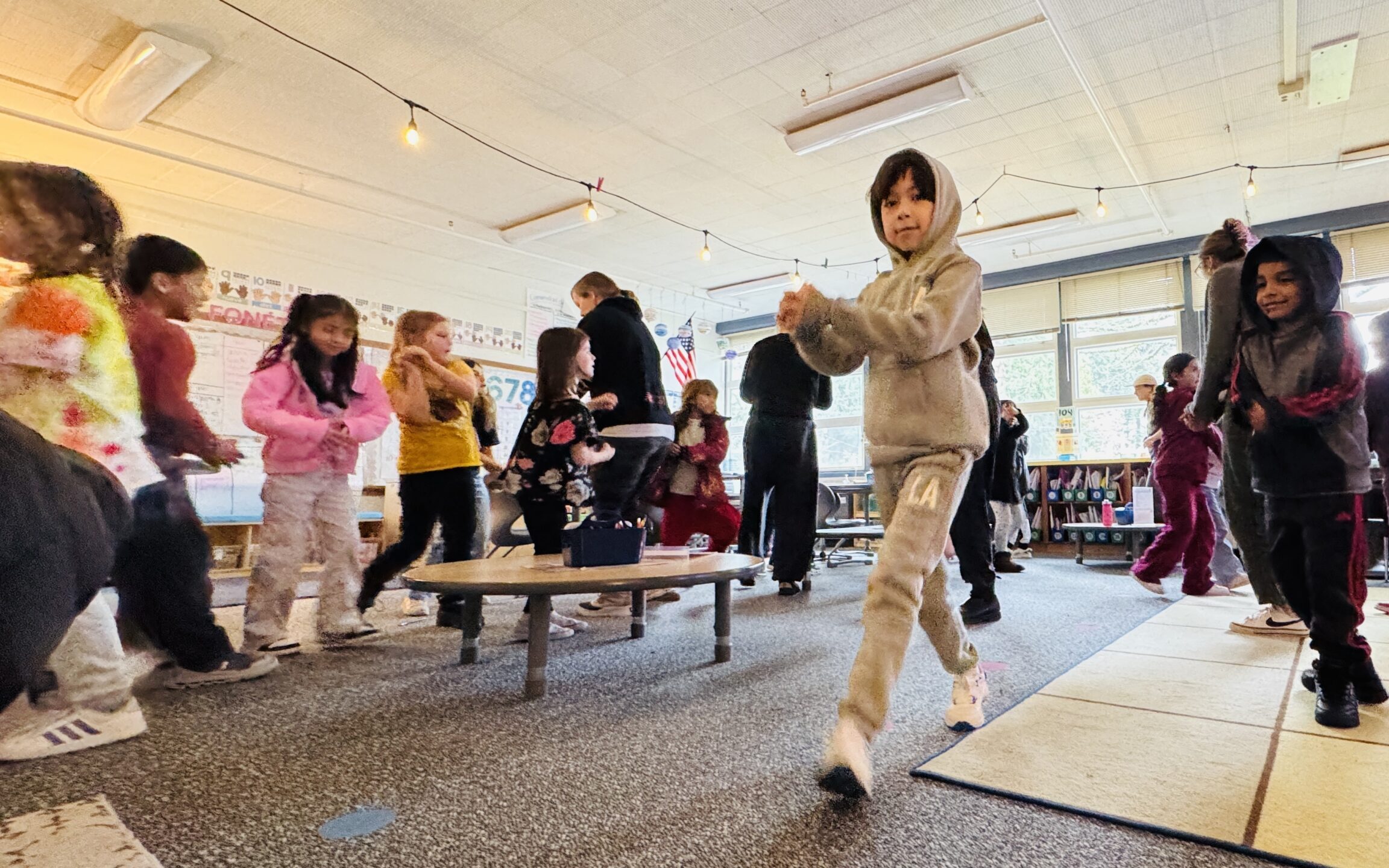
Tagged players freeze in place like a mannequin until another player comes over and gives them a double high five. Try adding a variation where the rescuer and the frozen player share a fun fact like their favorite food or what they want to be when they grow up before the frozen player can move again.
Why it builds compassion: Kids have to keep an eye on their teammates, not just chase or dodge. The high-five variation adds a small human moment in the middle of an otherwise fast, physical game.
Facilitation tip: Rotate taggers often so the same kids aren’t always chasing or always frozen. It keeps the game fair and keeps everyone engaged.
Rock Paper Scissors Rockstar
Equipment: No equipment needed
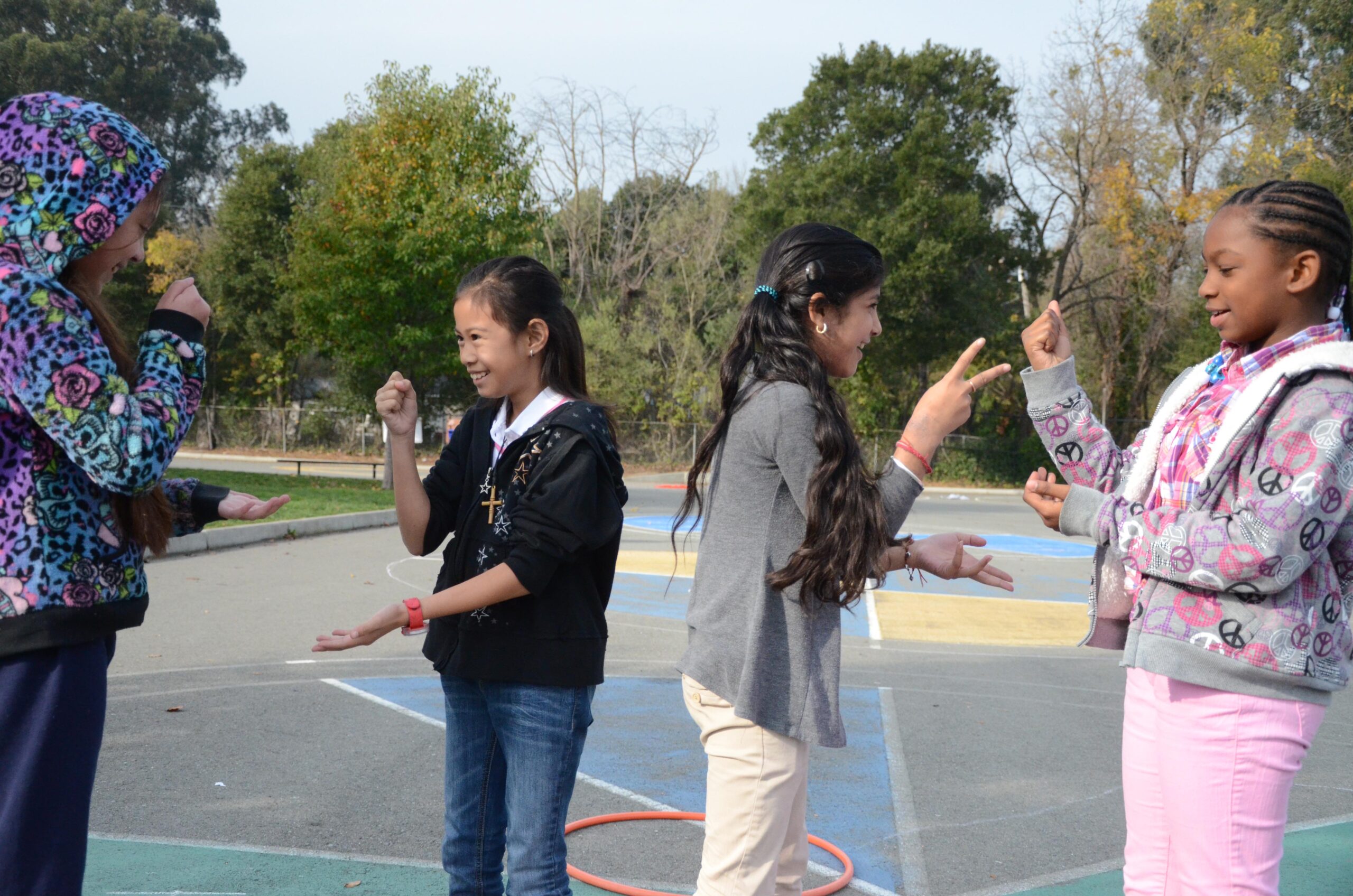
How to Play: Pair kids up to play rock paper scissors. Whoever loses becomes the winner’s cheerleader and follows them to their next match, shouting encouragement. Winners keep advancing, picking up a bigger and bigger group of fans behind them, until the whole camp is cheering for two finalists.
Why it builds compassion: Losing a round of rock paper scissors stops being a letdown once you get to become someone else’s biggest fan. Kids practice cheering for people other than themselves, and by the end, everyone is invested in someone else’s success.
Facilitation tip: This game works really well as a closing activity for the day/week. It’s fast, it’s loud (in a good way), and it ends with the whole group cheering together.
Alligator Swamp
Equipment: Potato sacks, carpet squares, or other other small and flat bases that can be stood/walked on
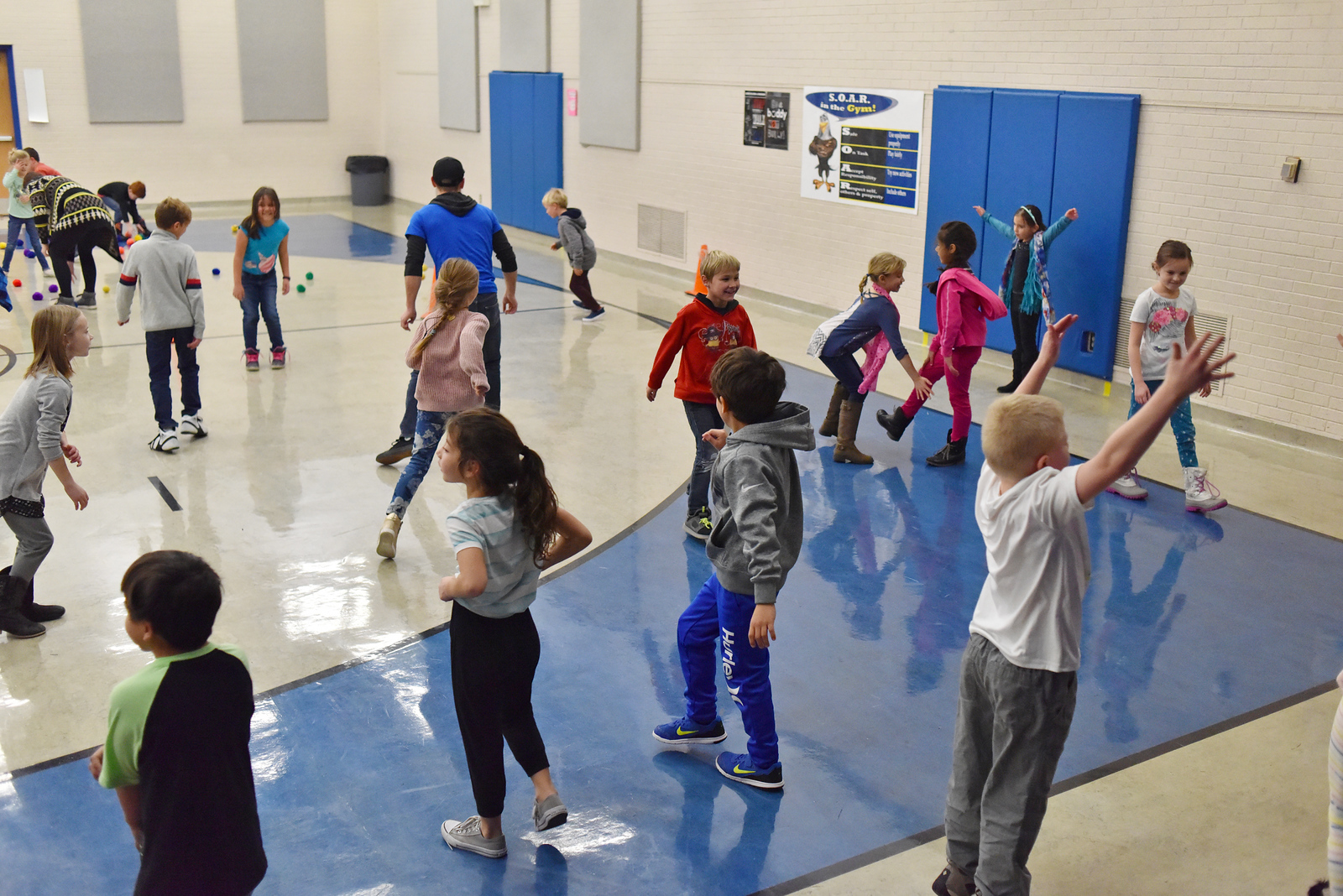
How to Play: Split kids into teams and give each team one fewer “square” than they have players. The goal is to get every team member from one side of an imaginary swamp to the other, stepping only on squares. If a square gets left in the swamp without a player on it, the whole team has to start over.
Why it builds compassion: This game has a built-in rule that makes leaving someone behind literally impossible: the team doesn’t succeed until every single person makes it across. Kids have to plan, communicate, and double back to help teammates who fall behind.
Facilitation tip: Let teams take a minute to strategize before they start. The planning conversation is often where the real teamwork happens, before a single square hits the ground.
Want to learn how to strengthen facilitation skills within your out-of-school or afterschool program?
Playworks and the YMCA hosted a free webinar on OST program facilitation, built for out-of-school time staff and decision makers looking for practical ways to make play a bigger part of their programming.
Learn more about what makes a large group game actually work with a real camp-sized group, and share a few tools you can use the same week. Access the recording here