Key takeaways:
- Belonging drives attendance. Chronic absenteeism at Chittick Elementary fell from 30% to 25% in one year, and Westside Union’s attendance rate reached 96.3%.
- Existing dollars can fund play, starting with Title I.
- Start with a target. Know your number, start small, and let your own students become the proof point.
- Local data makes the case: attendance, discipline referrals, climate surveys, and how a campus feels.
- Play increases learning time. Playworks schools spend 27% less time transitioning from recess back to class.
The Attendance Strategy School Leaders Are Funding Now
When I talk with school and district leaders about attendance and the challenges of chronic absenteeism, we always arrive at the same place. They know kids come back to the places where they feel they belong. The bigger question is how to fund the programs that build belonging.
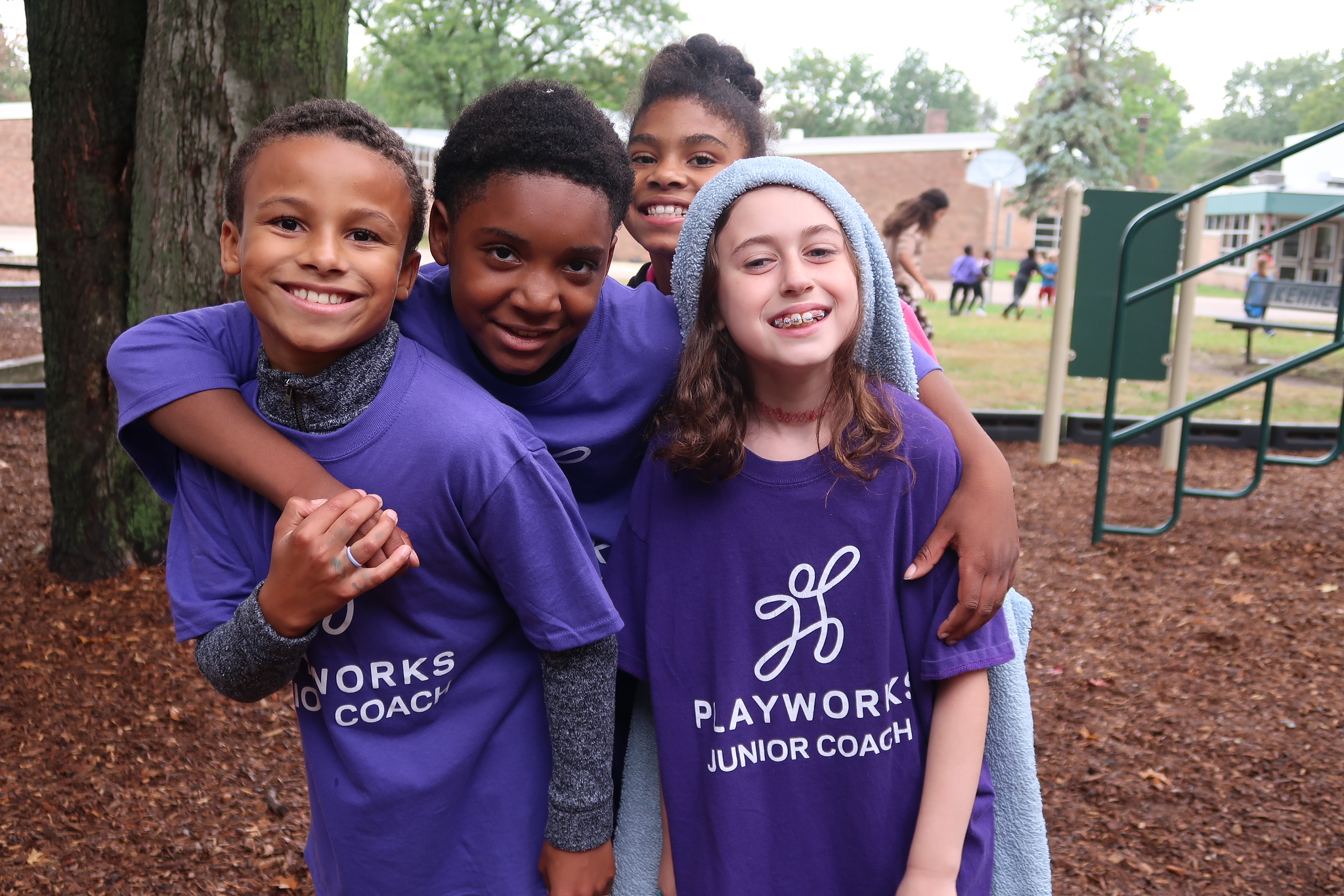 Two leaders I admire have answered that question in very different settings. At Chittick Elementary in Boston, Principal Matt Ginsburg’s school brought chronic absenteeism down from 30% to 25% in a single year. At Westside Union School District in California, Director of Special Programs Jessica Kott has watched the district’s attendance rate climb from about 93% to 96.3%. Both made play part of their attendance strategy, and both funded it with dollars already in their budgets.
As Matt put it: “My phone call is not going to be as powerful as their own child saying to them, ‘I want to go to school.’”
Investing in play is investing in attendance, and leaders can fund it with resources they already have, make the case with their own data, and earn it back in learning time. Here’s what I learned from Matt and Jessica:
- How they fund play through Title I, district plans, and other existing sources
- How they build the case when every dollar has a competing priority
- How play gives time back to learning in the classroom
How to Fund Recess and Play With Title I and Existing Budgets
Schools that see results start with a clear target and fit play into funding streams they already manage.
Matt starts his planning with a number. “The first thing that I would be doing is finding out what my target is in terms of the funding amount,” he told me, “because that will open or close certain doors to various funding pieces.”
For Matt, the largest piece is Title I. More than 90% of his students are considered high needs, and the portion of Title I he draws on has to serve every student. Play fits naturally: Playworks supports all 20 of his classrooms at recess and during classroom game time, including six for students with severe autism.
“It is a whole building strategy to increase the joy and the love inside this building,” he said.
Funding source |
What it supports |
How schools use it for play |
| Title I, Part A | School climate, engagement, and attendance | Schoolwide play at recess and in classrooms, like all 20 classrooms at Chittick |
| Title IV-A | Safe and healthy students | Active, inclusive recess and connection building |
| Title IV-B | Before-school, after-school, and summer programs | Training for out-of-school-time staff |
| Title II-A | Professional development | Training teachers and recess staff to lead play |
| State and district plans | Locally set goals, like California’s LCAP | Westside Union’s Goal 3: active and responsible citizens |
| State grants | Student support, learning recovery, community schools | Programs focused on student experience and belonging |
| PTOs and site councils | Community fundraising | Starting or extending a partnership |
Our federal funding guide breaks down where each federal source stands for 2026-27.
Westside Union took a district-level route. Jessica’s team wrote Playworks into its Local Control and Accountability Plan, California’s district planning framework, under Goal 3: active and responsible citizens. “The implementation of Playworks has really promoted responsible citizenship and leadership,” Jessica said. Most states have similar streams worth a close look.
When the full investment feels out of reach, Matt recommends starting small. A first-year pilot builds evidence that carries into the next budget cycle. “You have the proof point already with your students,” he said. “So you’re not relying on national statistics or other places that may have different circumstances.”
Making the Case for Recess With Attendance and School Climate Data
 Every dollar for recess and play has a competing priority, and the leaders who keep it in the budget make the case with their own evidence.
Matt knows the questions before his school site council asks them. “Why are we funding this program and not replacing a cafeteria table? There’s always questions about why this and not that.”
His answer starts with what students need to learn. “We know that students cannot access their education if they are not regulated,” he said, “and a huge portion of that regulation has to do with whether or not they want to be in the space that they are in.” Then he brings the evidence: attendance, student climate surveys, and office referral data, all moving in the same direction.
Sometimes the proof shows up in a single day. On a rainy day in Boston, Matt’s second graders spent indoor recess running games in the hallway with their Playworks Coach instead of sitting at their desks. “I’m not seeing the dip that I would normally see on a rainy day in my attendance,” he said.
Jessica builds the case at the district level. Her team looks at attendance, discipline data for each site, and the California Healthy Kids Survey, which asks students whether they have adults they feel connected to. When they review discipline incidents with each site, the same strategies come up “time and time again”: organized play, adult interaction, and student choice.
Both leaders draw on two kinds of evidence:
What the numbers show |
What the campus feels like |
|
|
The research points the same way. A UC Berkeley study found that Title I schools partnering with Playworks had lower chronic absence rates than schools without it. Jessica summed it up simply:
“If they’re having fun at school, they’re going to be more apt to want to get up and go to school.”
Organized Recess Gives Instructional Time Back to Teachers
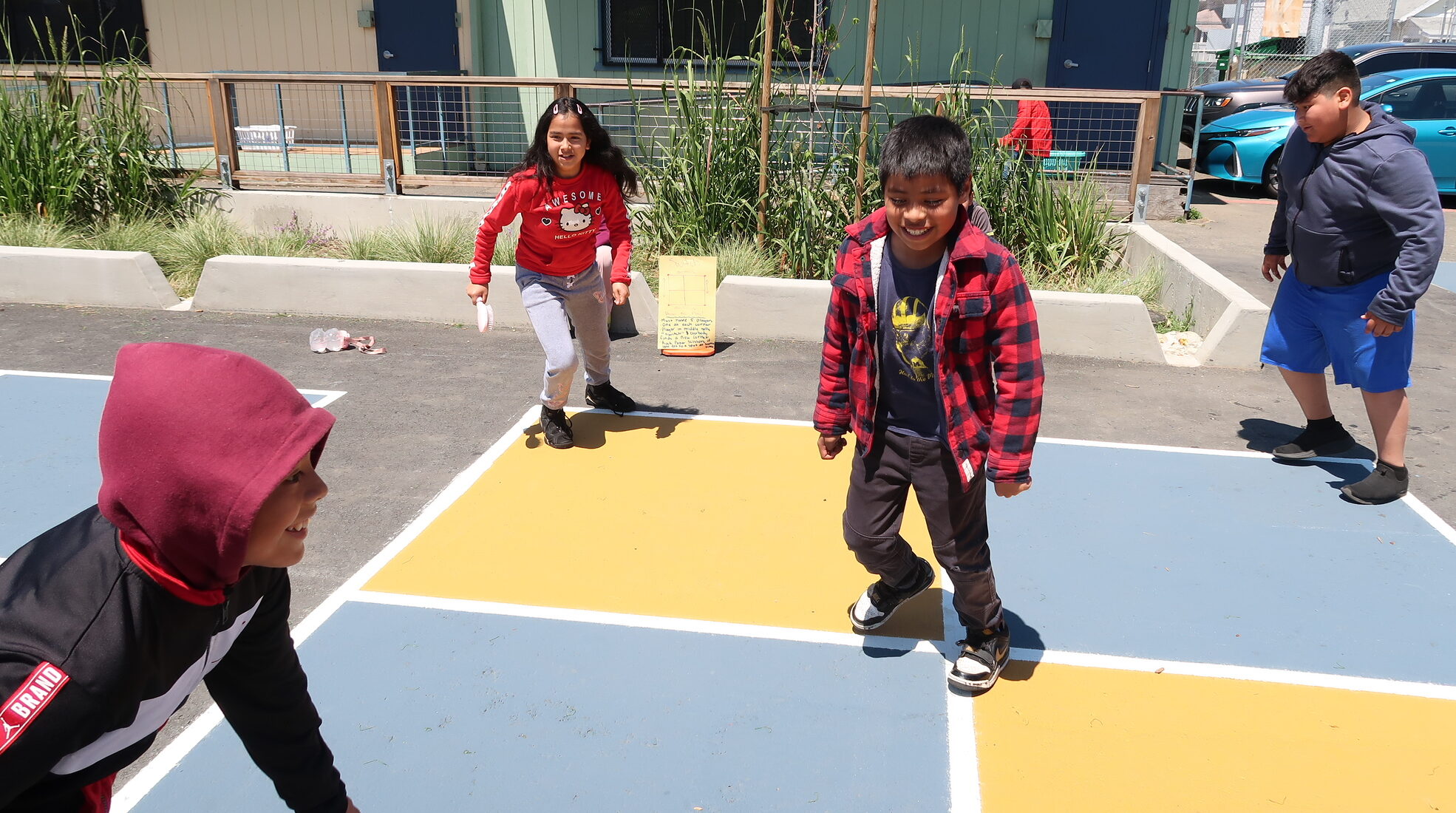 Organized play returns instruction time to teachers and gives students tools they carry back into the classroom.
Teachers tell us their students come back from recess more focused and spend less time sorting out disagreements and hurt feelings. A Mathematica study found that Playworks schools spend 27% less time transitioning from recess to learning activities.
Matt remembers what that time used to cost. As a teacher, he spent long stretches after lunch and recess de-escalating conflicts from outside. Some resurfaced hours later. “Why are we still talking about whose turn it was in tag?” he remembers asking. “It is 3:30. That was at 11.”
Now his students have tools to settle those moments themselves. Rock paper scissors solves the most common recess dispute in seconds. “The ball is almost always the issue,” Matt said, laughing. Those strategies follow students inside. During group work, Matt sees students solve their own interpersonal challenges faster, and “that also means that the teacher is free to continue to support with whatever academic tasks are going on.”
Jessica sees the same language across Westside: “Rock paper scissors coming out, or good job, nice try. … This is used throughout the day and can help kiddos reset.”
Play also gives students a reason to stay in class. When one of Matt’s students starts eyeing the door in frustration a reminder that recess is 20 minutes away often keep them in their seats and learning.
Families and staff notice. Matt makes sure parents know play is “baked right into our schedule,” and his teachers have become some of its biggest champions. “What I hear is, are you done making that schedule yet?” Matt said. “We want it now. We’re ready.”
Investing in Recess Is Investing in Student Attendance
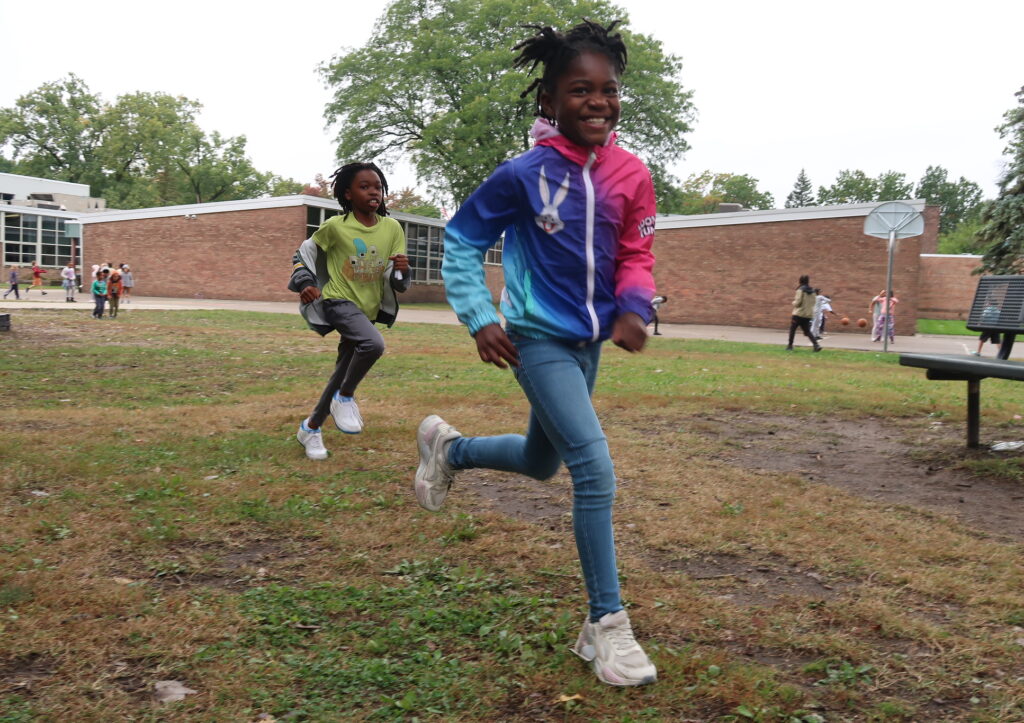 Every leader I talk with wants the same thing: kids who can’t wait to get to school. Matt and Jessica show how: fund play with the resources you already have, make the case with your own data, and get the learning time back.
Along the way, the relationships change. Jessica has watched staff shift “from supervising to being engaged and a participant in play,” and Matt sees sixth-grade Junior Coaches sitting with first graders on the bus. That connection is what brings kids back.
So here’s my ask: this week, find a game to join with the kids in your school, your family, or your neighborhood, and notice how it feels.
Then, take our free Recess Checkup to see how recess at your school builds connection and belonging.