Any time kids play, they make dozens of small judgment calls they may not even notice.
Sometimes this looks like settling a disputed call with rock, paper, scissors instead of an argument, making a pass to an open teammate instead of holding the ball, or using equipment the way it’s meant to be used, even when no one is looking.
These moments may not look or feel very meaningful, but each one shapes whether a game stays fun and fair for everyone playing. Practicing judgement during play also offers opportunities to strengthen children’s ability to weigh risks and make better decisions.
Play is a Low-Stakes Place to Practice
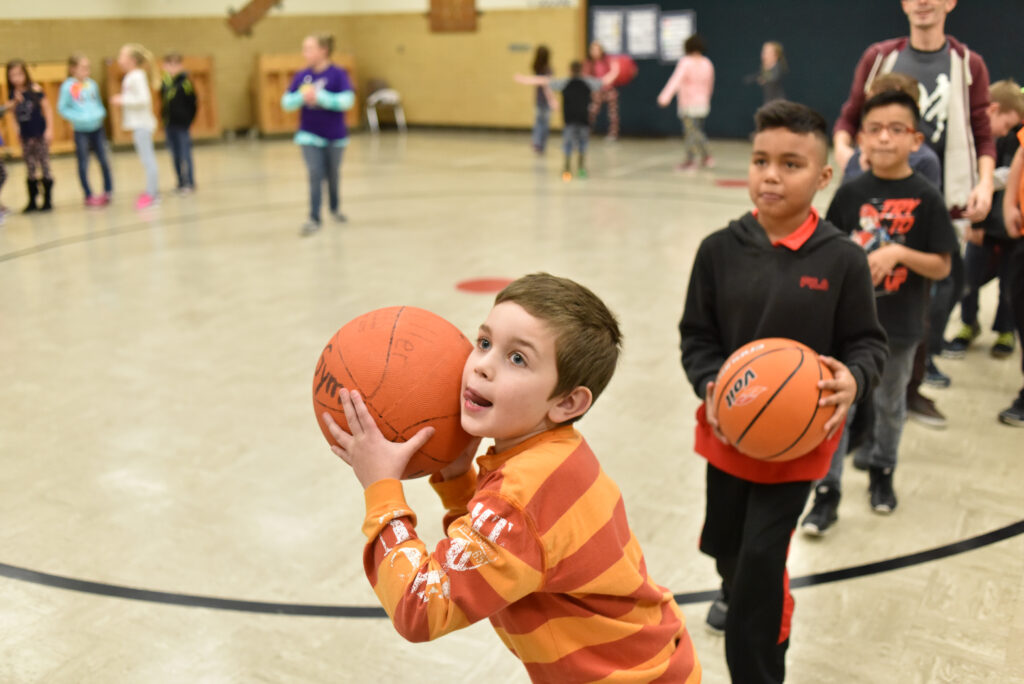
If you have ever played an intense round of foursquare, especially with competitive kids, you know the stakes can feel high in the moment. Every bounce and every in or out call feels like it matters. But a bad bounce or missed pass only costs a turn, and another chance to get back in the game is a few moments away.
That is what makes play such a good opportunity to practice good judgement. Kids get to try a strategy, see it work or fail, and adjust right away based on what they just learned.
Even when they fail, the outcome is minor and temporary. Few other parts of a kid’s day offer that same fast, low-risk feedback loop, or that many reps at making a decision and living with it.
Researchers writing for the National Association for the Education of Young Children have connected this kind of play directly to improving executive function, the same mental skillset behind planning ahead, adjusting mid-task, and making a decision under a little pressure.
The Split-Second Calls That Build Risk Tolerance
Should you try to unfreeze your teammate in freeze tag while an opponent is closing in, or wait for a clearer opening? Do you go for second base or hold at first in kickball?
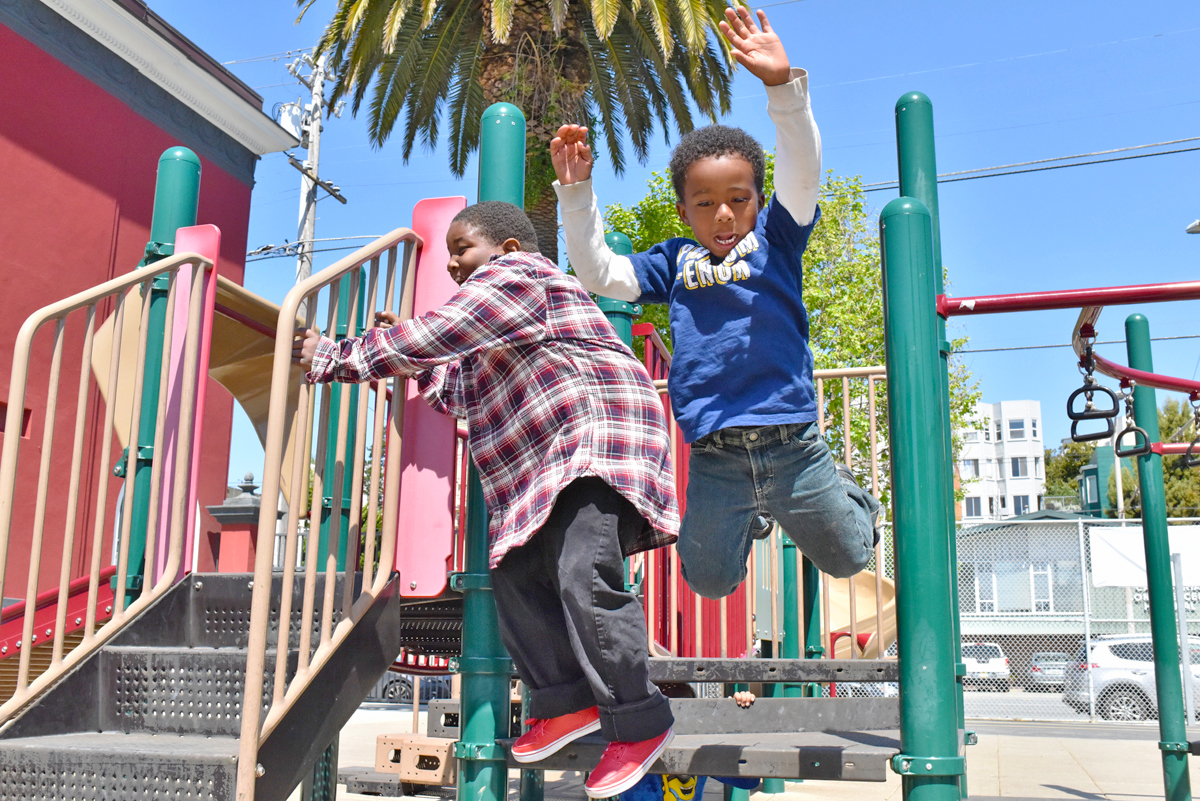 Situations like these put kids through real risk-reward assessments: weigh the odds, commit, see the results, then run through the situation again later in the game with new information.
That repetition mixed with fast, low-consequence gameplay is how kids learn to size up a risk instead of freezing or guessing blind.
This is the same calculation kids will keep making for the rest of their lives. Deciding whether to raise a hand with an answer they are not sure of, try out for a team, or speak up in a disagreement uses the same decision-making process: weigh the risk, commit, see what happens, adjust.
How Adults Can Help in the Moment
When a kid makes a decision that doesn’t quite work out, it can be tempting to point them toward the “right” answer. But doing so takes away an opportunity to practice making decisions for themselves. Instead, adults can ask questions that encourage kids to think through what they saw, why they made the choice they did, and what they might try differently next time.
These conversations can happen one-on-one or as a quick group debrief after a game, giving kids a chance to hear how their peers approached the same situation and learn from different perspectives.
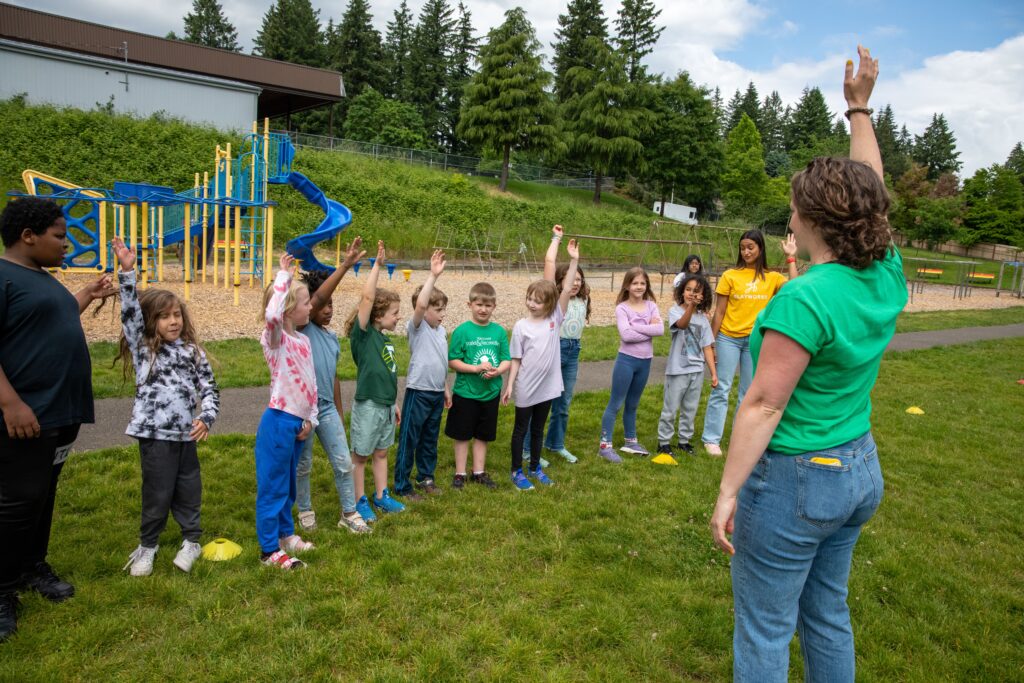
Help get the conversation started by using some of these prompts:
- Think of a moment when you had to choose what to do. What options were you considering?
- What helped you decide which option to choose?
- Did your choice work the way you expected? Why or why not?
- Did you see a teammate handle a similar situation differently? What did they do?
- If you faced that same situation again, would you make the same choice or try something different? Why?
Explore even more reflection and debrief resources
By helping kids narrate their own decision-making instead of just providing them with the answers, we can help them build confidence and ownership in the judgment process they use on the playground and beyond.
Three Games That Build Judgment
Let’s Go Fishing: Players work together to sneak an object past a leader without being caught moving. It’s built around analyzing solutions: kids test out a few strategies before landing on one that works, then adjust when it doesn’t.
Post-game reflection question: What was your team’s second idea, the one you didn’t use? Naming the option they passed over can help them (and you) learn more about their decision-making process.
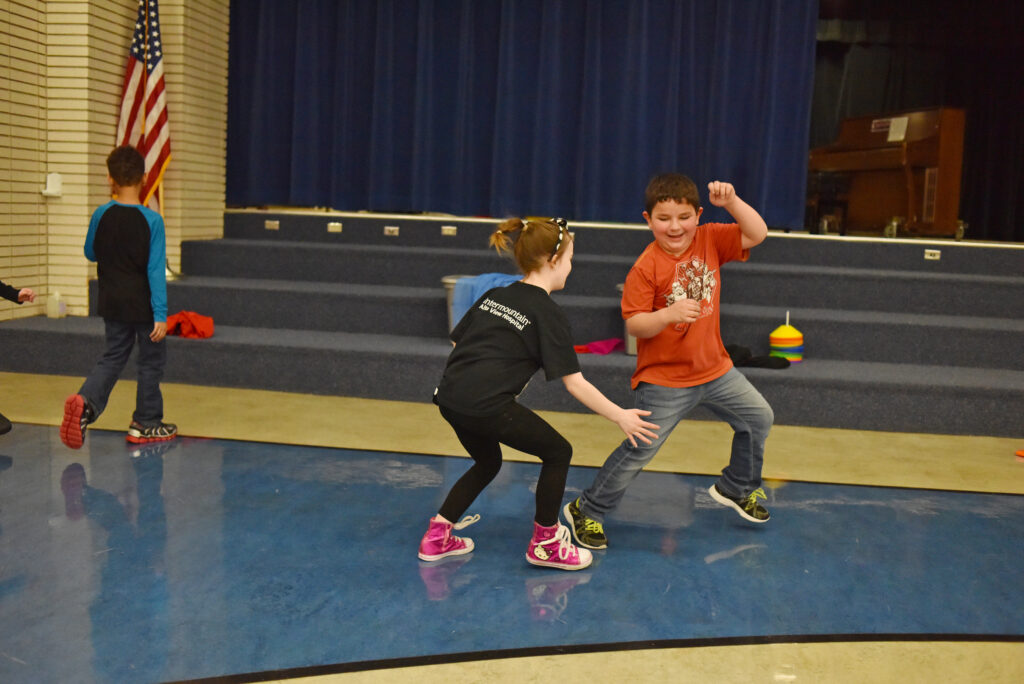
Mountains and Valleys: Two teams race to flip a pile of objects to their side before time runs out. It’s fast and strategic, and the built-in tiebreaker is rock, paper, scissors, a natural pair with the dispute-resolution point above.
Post-game reflection question: Was there a moment your team almost switched strategy? What made you stick with it or change?
Off the Ground Tag: Players are safe as long as they’re off the ground, on a bench or a painted line, but have to keep moving between safe spots to stay in the game. It’s a steady string of small risk calls: make a run for it now, or wait for a better opening?
Post-game reflection question: What were you looking for before you decided to move? Were you nervous when you finally decided to move to a new location?
How Play Sharpens Decision-Making for Adults, Too
Play also offers adults an opportunity to practice judgment as both leaders and participants during playtime.
Similar to the kids playing the games, school or program staff are constantly making quick decisions and judgment calls based on what they are seeing, hearing, and experiencing on the playground.
The plan for a large game of football may need adjustment since half the field is covered in a puddle from last night’s heavy rain. Two students start arguing over who got tagged first. Do you step in, or let them work it out themselves?
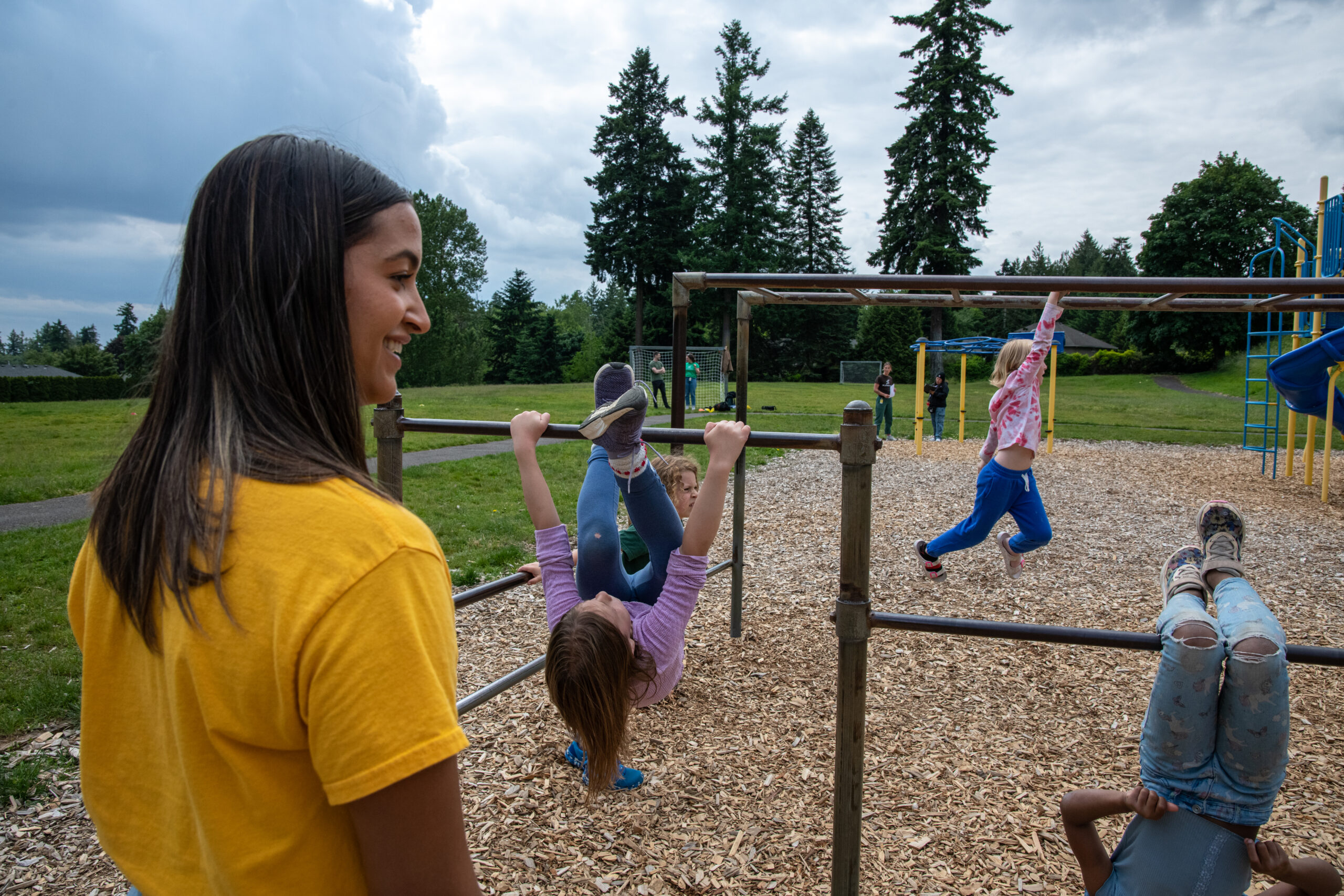
The more of these decisions a staff member makes, the faster and more confident they get at making them well.
Participating in play alongside the kids on your playground can also offer an opportunity to model good judgement in real time. Playing gaga ball or kickball alongside the kids means making the same decisions, and sometimes the same mistakes, they’re making.
Whiff a throw, misjudge a tag, or guess wrong on a strategy, and the kids can see that not everyone, even adults, gets every call right. By getting in the game, you can help model good judgment and the power of learning from your previous decisions.
For kids and adults, play has a unique ability to pull everyone back to the present. For a few minutes, the only thing that matters is the game, your teammates, and the choice right in front of you.
By making one choice at a time and making them with purpose, kids and adults can use play to build confidence in their judgement ability and carry those skills into the larger and higher-stakes decisions we must all make throughout the day.