Play is essential to a child’s development, regardless of whether it happens on a bustling playground, in a quiet classroom, or even in a small hallway.
While a traditional outdoor recess space is ideal, reality often creates situations where play needs to be adapted to unconventional settings. Here are some practical tips to help you bring the joy and benefits of play to every space.
Embrace the Indoors
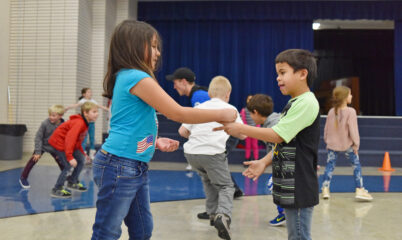
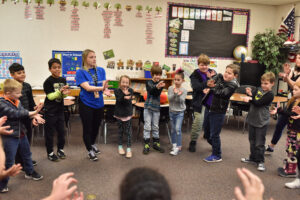 When recess moves indoors due to rain, snow, or extreme temperatures, it’s important to have a plan in place. Indoor recess can still be active, engaging, and fun—it just requires some planning and creativity. Here are a few tips:
- Create Play Zones: Use tape, cones or other markers to designate areas for different activities, such as jump rope, circle games, or board games.
- Simplify Equipment: Lightweight and versatile items like bean bags, foam balls, and scarves are great for indoor activities and minimize the risk of damaging furniture or walls.
- Incorporate Movement: Even in smaller spaces, games like Dance Freeze, Silent Ball, Four Corners, or indoor obstacle courses can help kids burn off energy and stay active.
Looking for more indoor recess tips and games? Check out our indoor recess webinar.
Make Use of Unconventional Spaces
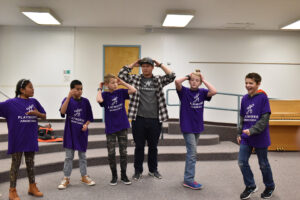
Not every school or community center has a large playground or gymnasium, and that’s okay. Hallways, classrooms, cafeterias, and even libraries can become spaces for play with a little ingenuity:
- Hallways: Organize relay races, hopscotch, or jumping games. Use tape to create paths, tracks, or play grids.
- Classrooms: Introduce low-impact games like charades, imagination adventures, or cooperative challenges that allow for creative expression and interaction.
- Multipurpose Rooms: These spaces can accommodate group activities like circle games or team challenges, as long as furniture is moved aside.
Plan Ahead with a Playground Map
Mapping your play space—indoors or out—is an excellent way to prepare for adaptable play. A playground map outlines where specific games or activities will take place, helping kids transition smoothly and reducing confusion. 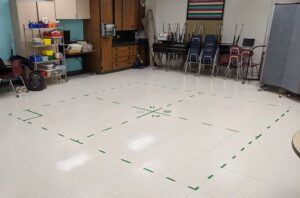 This strategy works especially well in:
- Shared Spaces: Coordinate with other teachers or staff to avoid overlaps and ensure everyone has plenty of room and opportunities to play.
- Rotating Schedules: Rotate activities in small or confined spaces to keep things fresh and engaging.
- Creative Layouts: Use maps to visualize how less traditional spaces can accommodate multiple play zones.
For more information on playground mapping, check out our Playground Mapping 101 webinar.
Get Kids Involved
Getting kids involved in the planning of recess is a great way to keep them engaged and build their sense of independence. Ask students for ideas about what games to play and how to adapt them to the available space. Not only will this boost their enthusiasm, but it also encourages problem-solving and creativity.
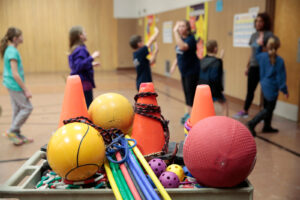
Build a Play Kit
Having a go-to play kit can make transitions to unconventional spaces easier. Stock it with versatile and portable items like:
- Hula hoops
- Jump ropes
- Foam balls or beanbags
- Cones
Outdoor Play in Challenging Weather
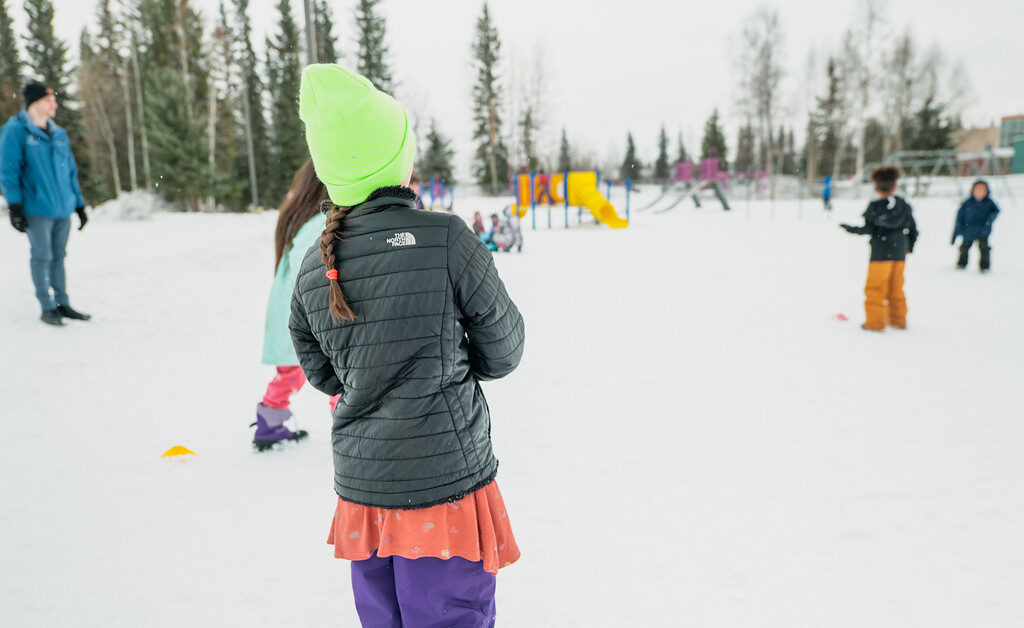
Even when outdoor conditions aren’t perfect, kids can still enjoy safe and fun play. Here’s how to make the most of rainy or snowy days:
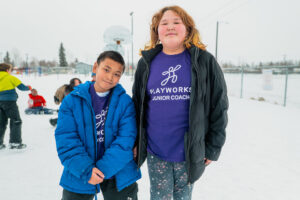 Dress for Success: Encourage families to provide weather-appropriate clothing, and consider keeping spare items like gloves or ponchos on hand.
- Modify Games: Adapt games to reduce slipping risks or ensure they can be played with minimal equipment. This could include slowing the pace of the game or shrinking the playable area to avoid snowy, icy, or wet areas.
- Shorten Sessions: Allow for shorter bursts of outdoor activity if the weather is especially cold or wet.
Why Adaptability Matters
When play is prioritized—no matter the space—kids thrive. They’re more engaged, build stronger social skills, and develop resilience. By embracing unconventional spaces and getting creative with game adaptations, adults can ensure that play remains a central and joyful part of every child’s day.