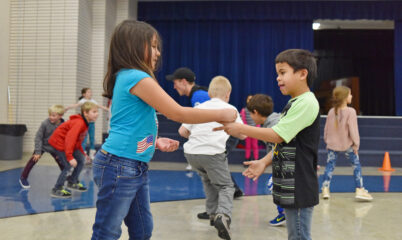
Playworks partnered with Say Yes To Recess to explore updates to the American Academy of Pediatrics‘ policy statement The Crucial Role of Recess.
In early 2026, the American Academy of Pediatrics (AAP) renewed and expanded its support for recess as a crucial component of children’s school experience. The AAP first published The Crucial Role of Recess in 2013, in response to the trend of public schools reducing their recess in exchange for more in academic instruction time. In this most recent statement, published in May of 2026, the AAP emphasizes the multitude of ways recess can support students’ learning and overall sense of well-being, and urges communities to take action to preserve its role in K-12 schools.
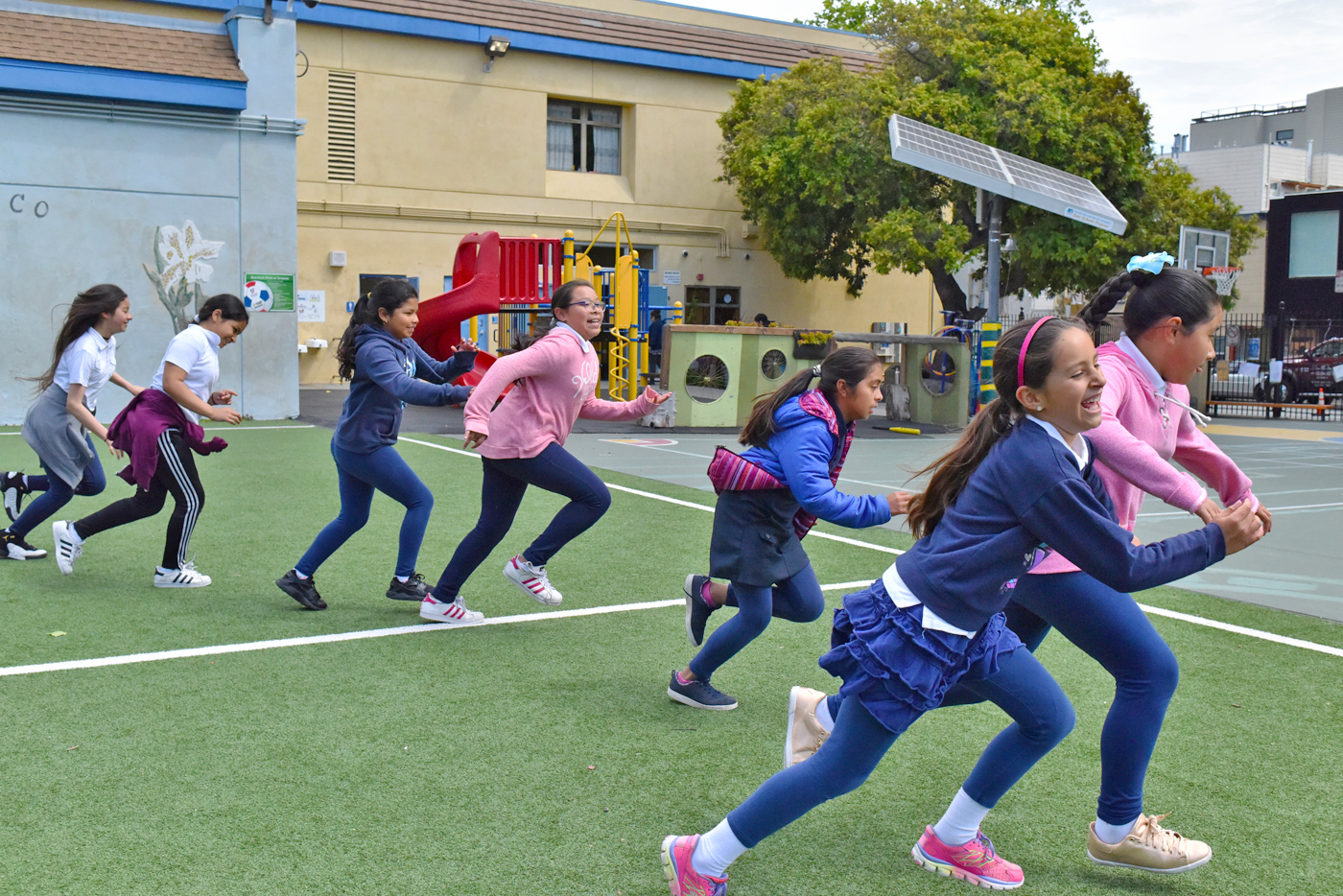 This renewed support continues to be necessary, as recess remains unprotected in most states. While recess reductions have slowed over the last several years, it remains a low priority as schools aim to achieve in the persistent pressures of the accountability movement.
Sparked in the 1980s with the release of A Nation at Risk, schools were deemed to be ineffectively educating children, and have suffered increased scrutiny to “help” children become more competitive in the increasing globalization of the economy and workforce. Consequent measures such as No Child Left Behind and Every Student Succeeds Act then standardized measurement of academic achievement, drastically changing the landscape of public education.
While schools’ primary goal is to educate students, that education undeniably extends beyond the academic knowledge and skills they will acquire there. On average, U.S. students spend up to seven hours a day in school, 180 days out of the year, surrounded by their peers. It is inevitable and unavoidable that schools will play a role in the physical and social development of students as well.
When standardized test scores became the sole determinant of a school’s success, “time on learning” became the primary concern, and enrichment and recreational space in the daily schedule represented a detraction from that principal goal. Recess was often the first schedule block to be reduced, demonstrating disregard for its importance in a child’s development.
Support for recess
The AAP grounds its argument in the United Nations’ Convention on the Rights of the Child (UNCRC) that recess fulfills a child’s “right to rest, relax, play and to take part in cultural and creative activities” and their need for leisure, to “choose to fill as actively or inactively as they wish.”
 Distinguishing recess as a means to fulfill this right is akin to breaks in the adult work day–a tenet of labor laws in the United States. Furthermore, the clause “as they wish” ignites the importance of self-directed activities, as it helps children to develop autonomy and decision-making skills, and preserve feelings of happiness and wellbeing.
Beyond this, the unique benefits of recess extend the argument for recess further, as much of the research suggests that including a sufficient recess supports many of the academic goals that drove many of the reductions of recess in the first place.
The AAP breaks down its support of recess into three core benefits: its role in the social and emotional health of students, the physical benefits it offers, and how it supports cognitive development and academic achievement. All of these benefits contribute to a child’s holistic development, and encourage a school environment conducive to learning. Learn more about how recess supports critical skills.
Benefits of recess
The AAP begins with recess’s role in the social and emotional development of students. When considering the peer-to-peer interaction that naturally occurs during outdoor unstructured play, students are regularly exposed to situations that encourage practicing prosocial behaviors such as turn-taking, cooperation, imagination, and conflict resolution.
Furthermore, the break helps students to self-regulate, to reduce stress, and to expend energy that may otherwise impede their learning. These skills carry over into the academic environment, creating a learning environment with fewer distractions and disruptions . Learn more about how recess supports relationship-building.
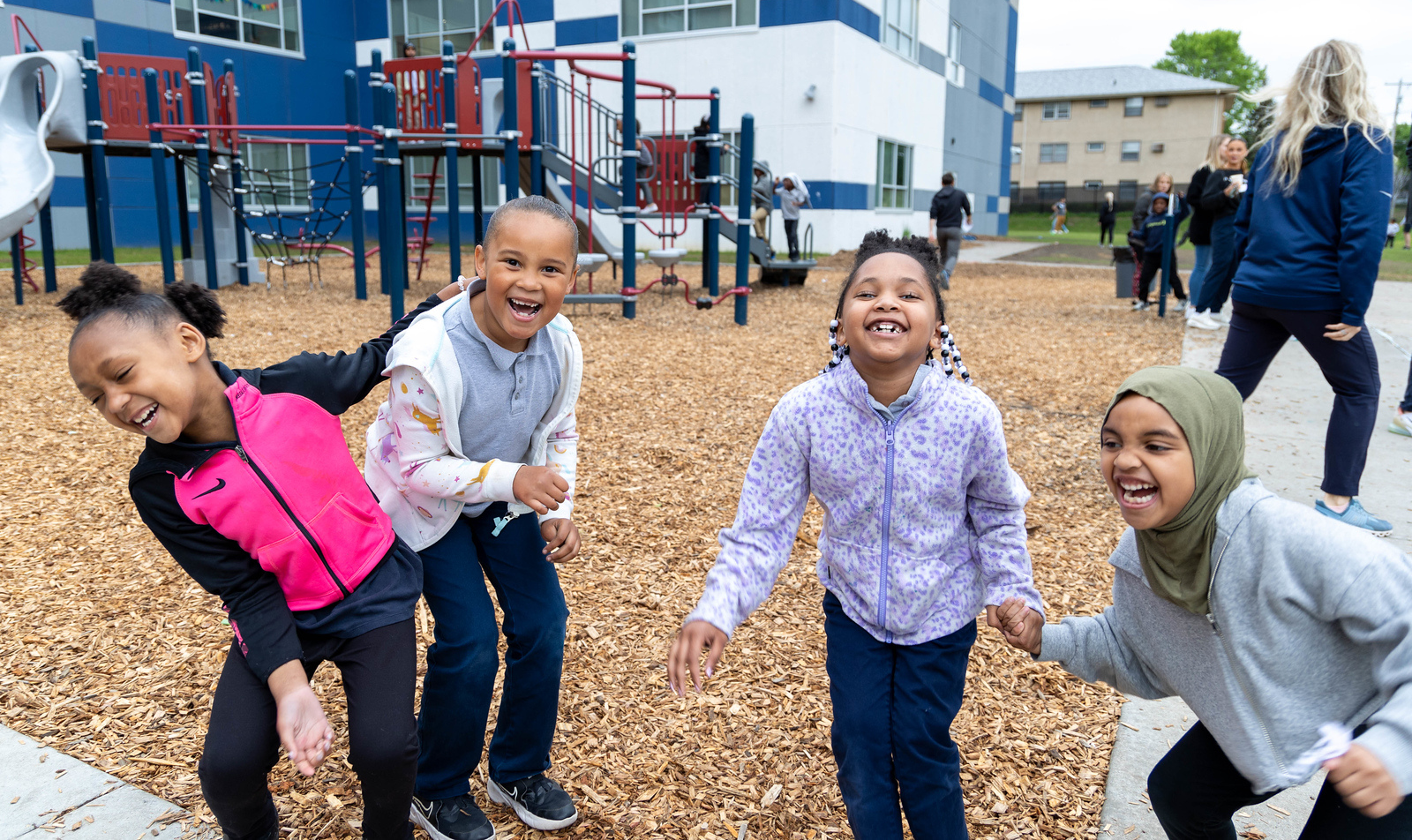 Recess also offers a multitude of opportunities for students to engage in physical activity, addressing concerns of “declining physical fitness” among the student population. Recess can offset the large amounts of sedentary time within the classroom each school day.
By providing the opportunity to do so in a joyful space such as recess play, children are making positive associations with physical activity, increasing the chances of exercise becoming habit forming. Learn more about how recess promotes physical health.
Notably, research has demonstrated that recess offers a range of cognitive and academic benefits. These benefits directly support the outcomes desired by the accountability measures that led to exchanging recess time for increased instructional time. Whether children are engaging in physical activities at recess, or they use that time for restful or imaginative games, the benefits on cognitive development are still present.
Much research has demonstrated that moderate to vigorous physical activity, even in brief bouts, aids in brain functioning including increased memory, information processing, and executive functioning. “Wakeful rest” offers a break from stimulus so that processing information can assimilate into long term storage of memory, consolidating information learned throughout the day. Recess that includes opportunities for more quiet play or down time, then, offers a wider range of gaining academic benefits. Learn more about how recess supports learning.
Recess practices
In order to maximize these critical benefits of recess, schools need to be intentional in planning how recess looks and feels. The Great Recess Framework is an observational tool designed to help educators and researchers evaluate and plan school recess with a holistic approach. While physical activity levels are certainly one element of a successful recess, other aspects, such as safety, adult engagement, communication, autonomy, and empowerment, have often been overlooked.
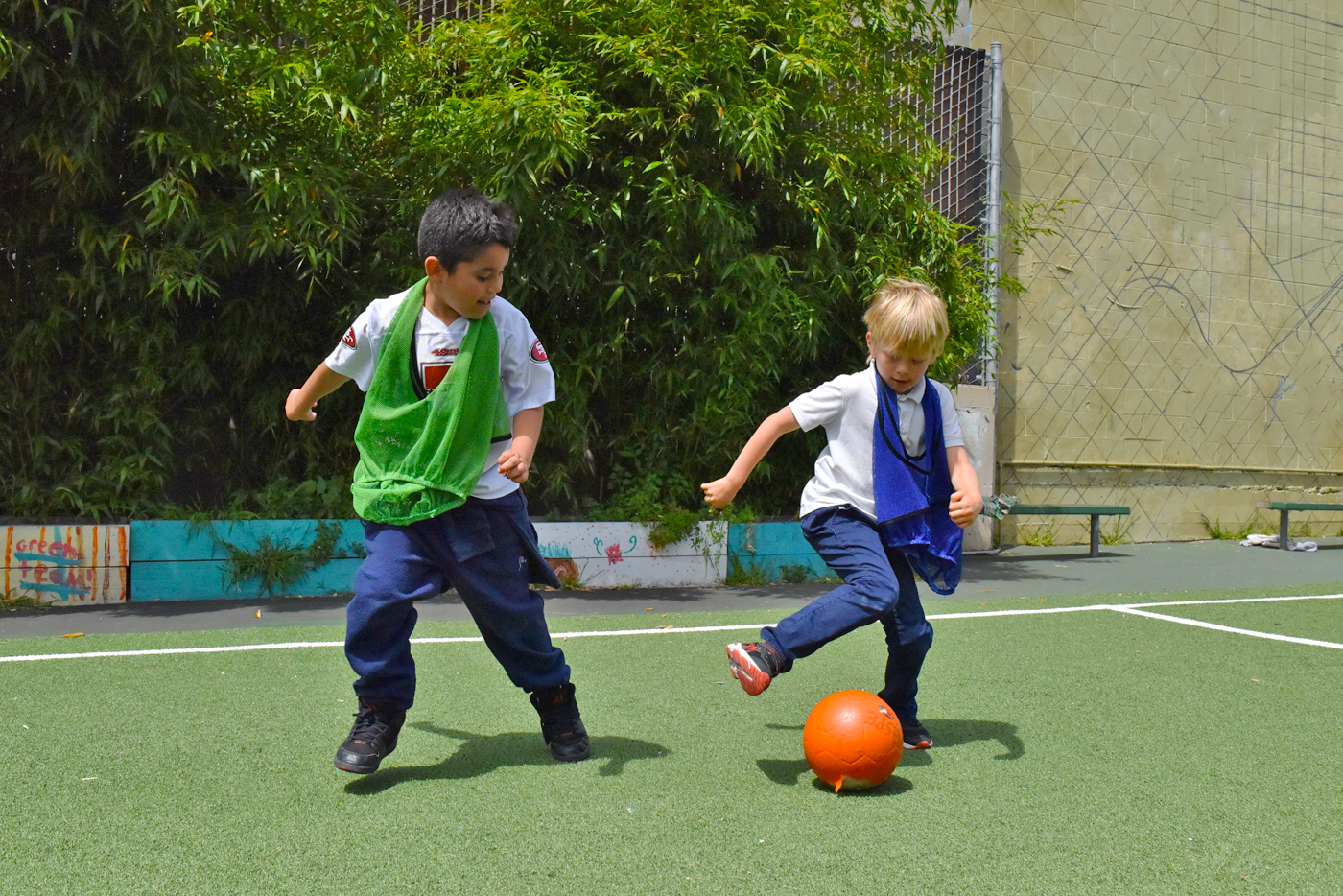 When considering student safety, schools should assess both a physical and emotional standpoint. Physical safety focuses on determining the play space, potential hazards, available equipment, and establishing boundaries.
Emotional safety entails attention to student interactions, minimizing altercations and equipping students with conflict resolution strategies, as well as adult interactions such as supervision and engagement.
Youth voice and choice are key to a high quality recess. An engaging and empowering play time means students have access to a variety of games, feel welcome and encouraged to participate, and have mutually understood rules. Kids have the freedom to move around the playspace and jump into games. Having adults participate in play can be a huge source of relationship building within the school community. Adults can model behaviors such as positive language and inclusion to reinforce these skills among kids.
Playworks’ approach to recess implementation treats recess with the same intentionality as academic subjects, recognizing it as a critical opportunity for fostering physical, social, and emotional development. Playworks expert trainers guide school teams in establishing robust recess systems like creating intentional plans, defining clear play spaces with visual aids, and implementing consistent transition and conflict resolution strategies.
By prioritizing proactive group management and adult engagement, these best practices empower school staff to model positive behavior and create a safe, welcoming play environment. Playworks equips leadership and recess teams with an actionable, sustainable plan that transforms recess into a positive, community-building period where every student can enjoy the benefits of recess.
Take the Recess Checkup, a short, online quiz designed to help identify strengths and uncover areas for improvement.
Advocating for recess
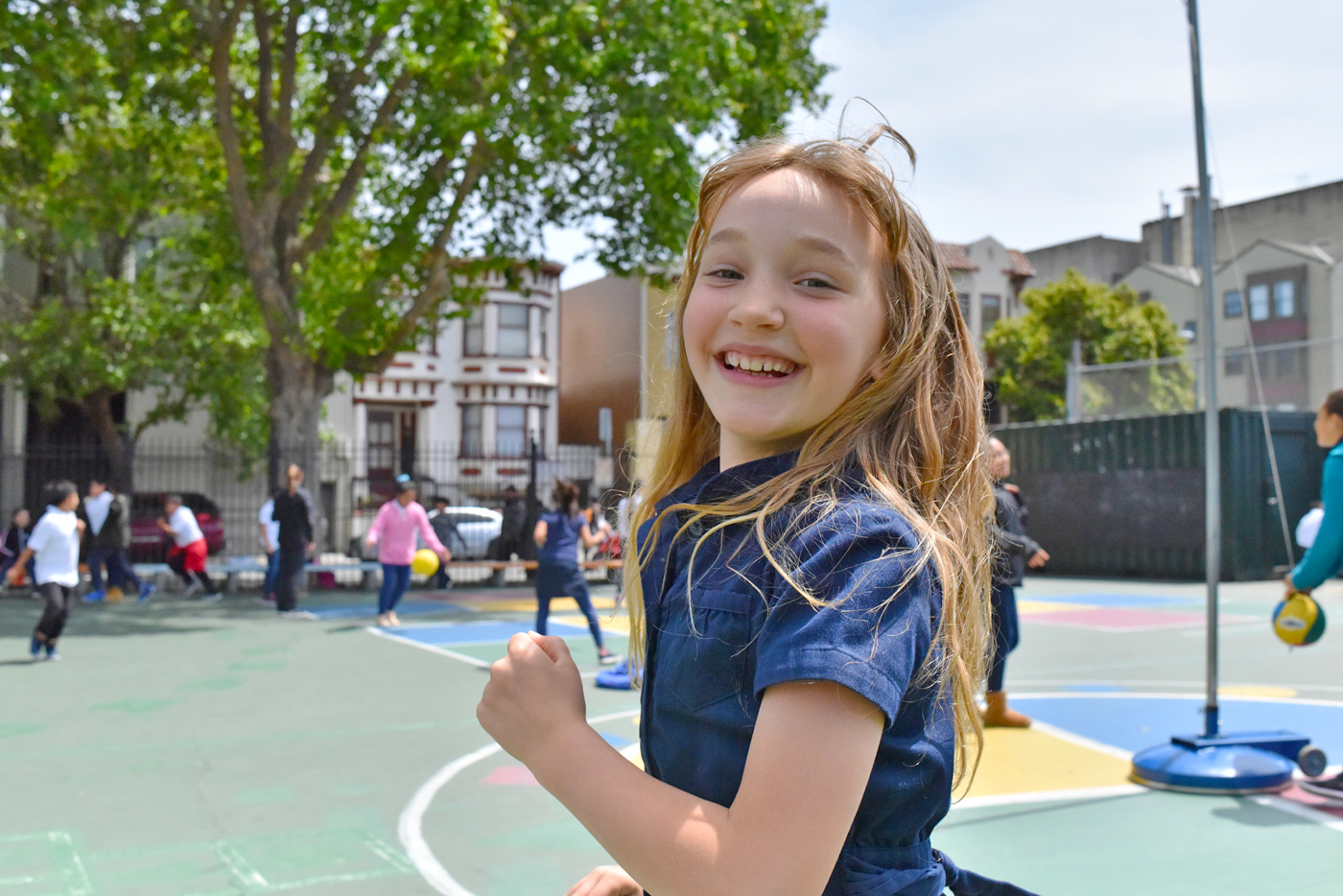 Awareness of the important role of recess is steadily growing, aided considerably by health organizations such as the American Academy of Pediatrics’ public support of its inclusion in public school. However, these public statements are not enough. Preserving and expanding recess in our schools requires civic participation on local and state levels.
Access to recess is most frequently determined at the district level, meaning that local school committees and administrators make the final determination of how recess should be included in the schedule. Often, these allocations reflect common inequities between school districts, often distinguished by socioeconomic and racial make up of a community. Unfortunately, though not surprisingly, districts serving low-income and racially minoritized students often have some of the most abbreviated recess time (if offered at all), sometimes offering as little as 10 minutes compared to more affluent communities that can arrange for up to 60 minutes1.
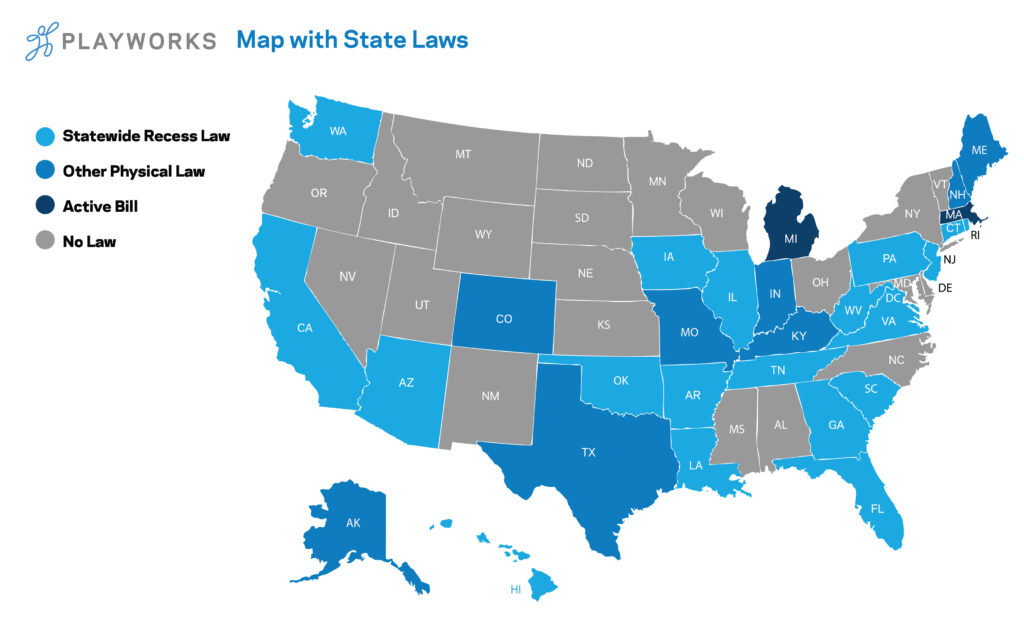
Without any regulatory recess laws, these discrepancies will continue to exist, and the unequal access to the benefits of recess can ultimately impact students’ school experience and developmental trajectory. Currently, only the District of Columbia and 12 states have ratified laws that require schools to offer recess, and even of those laws, the stipulations for implementation widely differ. As suggested by the AAP “multiple breaks with a minimum of 20 minutes” (emphasis added) are not widely reflected in many of these passed laws, the majority of which offer 20 minutes once a day, and many do not prohibit withholding recess.
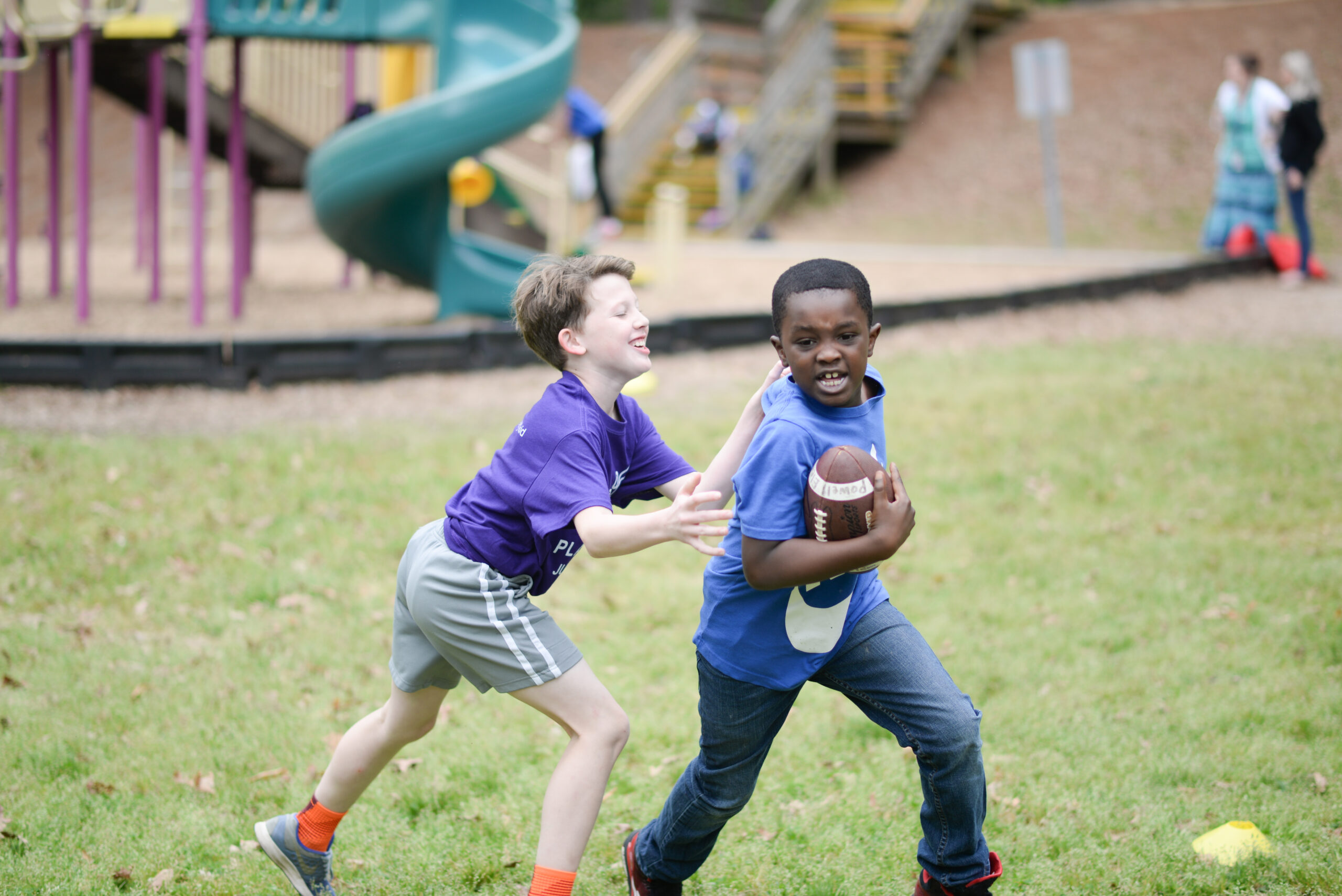 Of these states, Tennessee offers the closest to adherence to recommendations, guaranteeing 40 minutes of recess daily, and specifies that it cannot be withheld from students for academic or behavioral reasons. This law did not happen spontaneously by lawmakers, however, and was the coordinated effort of a coalition of concerned citizens.
This Tennessee campaign grew to become the multi-state non-profit Say Yes to Recess (SYTR) and is now a growing network of state chapters dedicated to rallying support for passage of recess legislation. Chapters are running in 20 states, and the goal is to expand to all 50 states. Find your state and join a chapter here. If your state is not yet a part of the movement, consider starting a chapter.
Becoming a SYTR chapter means joining a collaborative and supportive network, and gaining access to shared ideas, resources, and momentum of fellow recess advocates. Starting a chapter is easy and adaptable, and fits into the busy lives of its members. SYTR state chapter leaders receive guidance for furthering this movement, focusing on
- Building an information campaign: With academic achievement dominating much of the public discourse on education, recess is often overlooked or even looked down upon. Outside of parents and school personnel (and even among this group), recess is not in the forefront of people’s minds when they consider school policy. Its image as an “extra” or a “privilege” for students persists. Talking with peers and colleagues, posting on social media, and sharing informative flyers are simple ways to raise awareness of the importance of recess.
- Increasing membership: Chances are, there are like-minded individuals in your area. Make your chats a bit more formalized and invite people to join this movement. Many chapters hold regular meetings to some goals, share ideas, and discuss needs of the unique towns and cities in each state. Change doesn’t happen alone, build a group and act in solidarity.
- Engaging with local policy makers: Passing comprehensive legislation requires a large constituency of informed concerned citizens. At the local level, especially in states without recess legislation, engaging with the school committee and administration is crucial. Speaking at school committee meetings, or submitting public comment in support of recess helps your elected officials to recognize the importance of recess in your community.
- Working with state legislators: Just like at the local level, engaging with state legislators drives change. Constituents can be active by starting petitions, making phone calls, sending emails, and meeting with state legislators are productive means to demonstrate their support for recess legislation. Laws pass when voters support them!
The research is out there, and experts agree that unstructured outside time with friends is a crucial part of children’s development and that recess provides that opportunity. Organizations like Say Yes to Recess and Playworks are part of the movement to ensure all students have access to a high quality recess.
Sources cited:
- Murray, R., Ramstetter, C., Woolridge, D., Woodham Brickman, C., Council on School Health (2026). The crucial role of recess in school: Policy statement. Pediatrics 157(6). doi:https://doi.org/10.1542/peds.2026-077025
- Kids Need Recess – This site was created to help parents advocate for recess for their children. (2026). Kidsneedrecess.Com. https://kidsneedrecess.com/
- Klein, A. (2015). No child left behind: An overview. Education Week. https://www.edweek.org/policy-politics/no-child-left-behind-an-overview/2015/04
- DeSilver, D. (2023). In the U.S., 180 days of school is most common, but length of school day varies by state. Pew Research Center. https://www.pewresearch.org/short-reads/2023/09/07/in-the-u-s-180-days-of-school-is-most-common-but-length-of-school-day-varies-by-state/
- United Nations. (1989). Convention on the Rights of the Child. Ohchr; United Nations. https://www.ohchr.org/en/instruments-mechanisms/instruments/convention-rights-child
- U.S. Department of Labor (2019). Breaks and meal periods | U.S. Department of Labor. Dol.Gov. https://www.dol.gov/general/topic/workhours/breaks
- Niehues, A. N., Bundy, A., Broom, A., Tranter, P., Ragen, J., & Engelen, L. (2013). Everyday uncertainties: reframing perceptions of risk in outdoor free play. Journal of Adventure Education and Outdoor Learning, 13(3), 223–237. https://doi.org/10.1080/14729679.2013.798588
- Jarrett, O.S. (2019). A research-based case for recess: Position paper (2019). https://liinkproject.tcu.edu/wp-content/uploads/2020/06/Research-Based-Case-for-Recess.pdf
- Barros R.M., Silver E.J., Stein R.E. (2009). School recess and group classroom behavior. Pediatrics, 123(2):431–436. https://doi.org/10.1542/peds.2007-2825
- Brez, C., & Sheets, V. (2017). Classroom benefits of recess. Learning Environments Research, 20(3), 433-445. https://doi.org/10.1007/s10984-017-9237-x
- Stapp, A. C. (2018). Effect of recess on fifth grade students’ time on-task in an elementary classroom. International Electronic Journal of Elementary Education, 10(4), 449-456. https://doi.org/10.26822/iejee.2018438135
- Bauml, M., Patton, M. M., & Rhea, D. (2020). A qualitative study of teachers’ perceptions of increased recess time on teaching, learning, and behavior. Journal of Research in Childhood Education, 34(4), 506-520. https://doi.org/10.1080/02568543.2020.1718808
- Lemberg, G.M., Kull, M., Mӓestu, J., Riso, E. -M., Mӓgi, K., & Mӓestu, E. (2024). Outdoor recess is associated with more positive attitudes toward physical activity among pre-adolescent students and their parents. Frontiers in Sports and Active Living, 6, 1433801. https://doi.org/10.3389/fspor.2024.1433801
- Kids Need Recess https://kidsneedrecess.com/