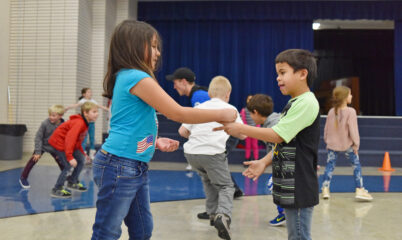
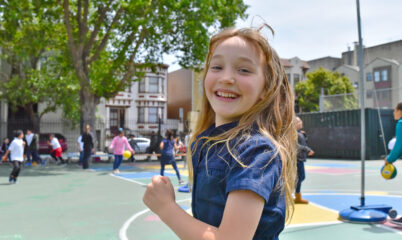
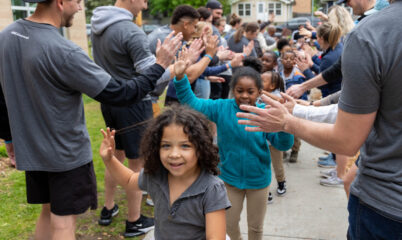
Respect is the foundation of healthy relationships, strong communities, and positive learning environments. Yet it isn’t a skill children develop simply because adults tell them it’s important.
Like teamwork and perseverance, respect is something that must be practiced.
Play gives children that opportunity. Through games and shared activities, kids learn how to listen, include others, resolve conflicts, and navigate challenges together. These everyday experiences help transform respect from an idea into a habit.
The good news is that adults can grow these skills right alongside them. By creating opportunities for play and participating in it themselves, parents, educators, and program leaders can help build a culture of respect that extends far beyond the game.
What Does Respect Mean To You?
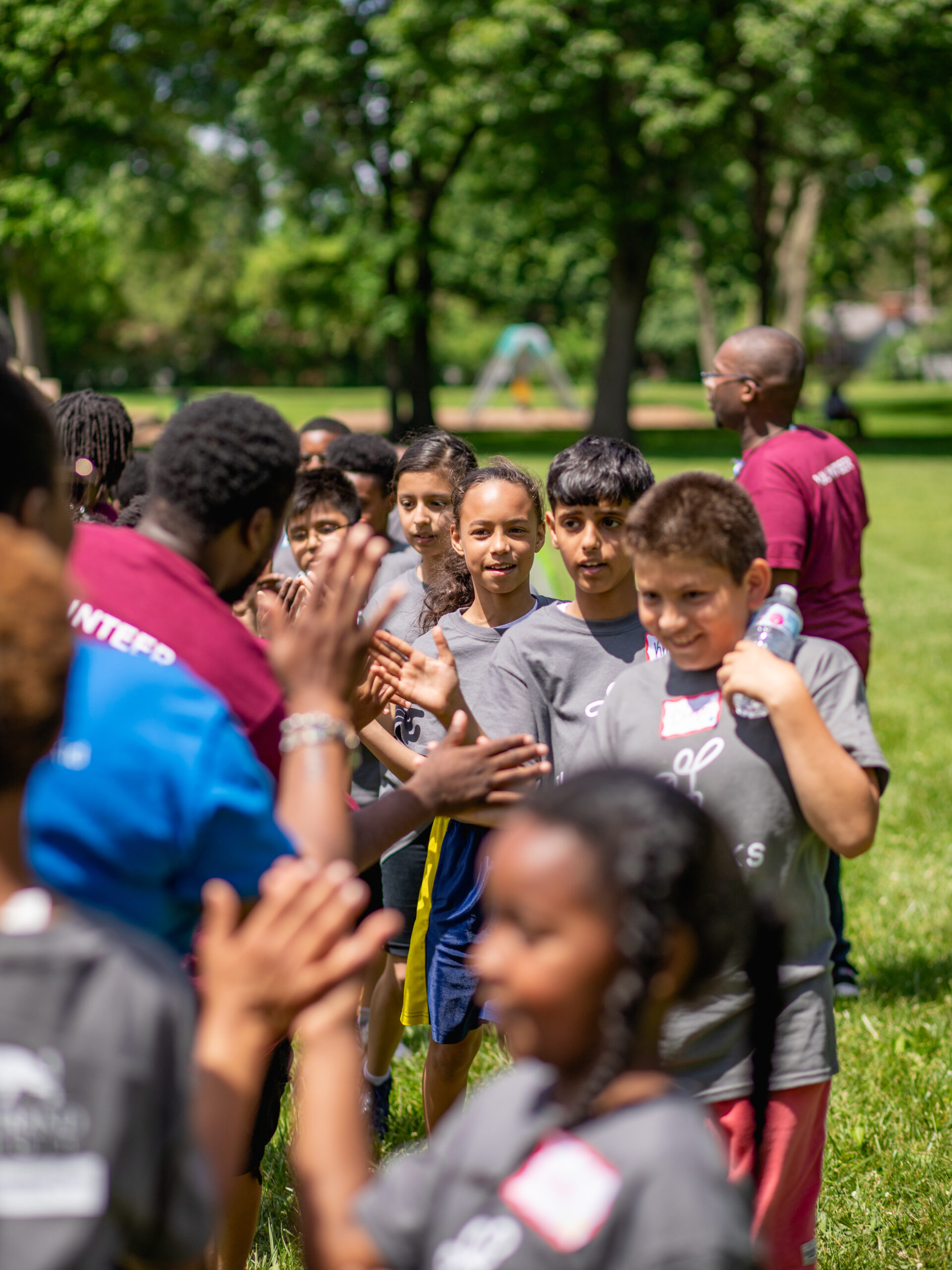 Respect can seem like a big concept, especially for younger kids. One helpful way to make it more relatable is to focus not on a dictionary definition, but on how respect looks and feels.
Giving respect can look like listening to your peers, following the rules of a game, and making sure everyone has a chance to participate.
Feeling respected means being able to be yourself around others and feeling accepted, even when differences exist.
At its core, respect helps create a sense of belonging. When kids feel like their ideas matter and that they have a place in the group, they are more likely to participate, build relationships, and try new things.
Whether on a playground or in the classroom, respect helps create environments where everyone can contribute and feel valued.
Respect for Others
Play gives children opportunities to connect with peers outside their usual friend groups. When a game brings together kids from different grades, backgrounds, abilities, or social circles, it creates a natural bridge. The game becomes common ground, giving children a chance to work together, communicate, and discover what they have in common.
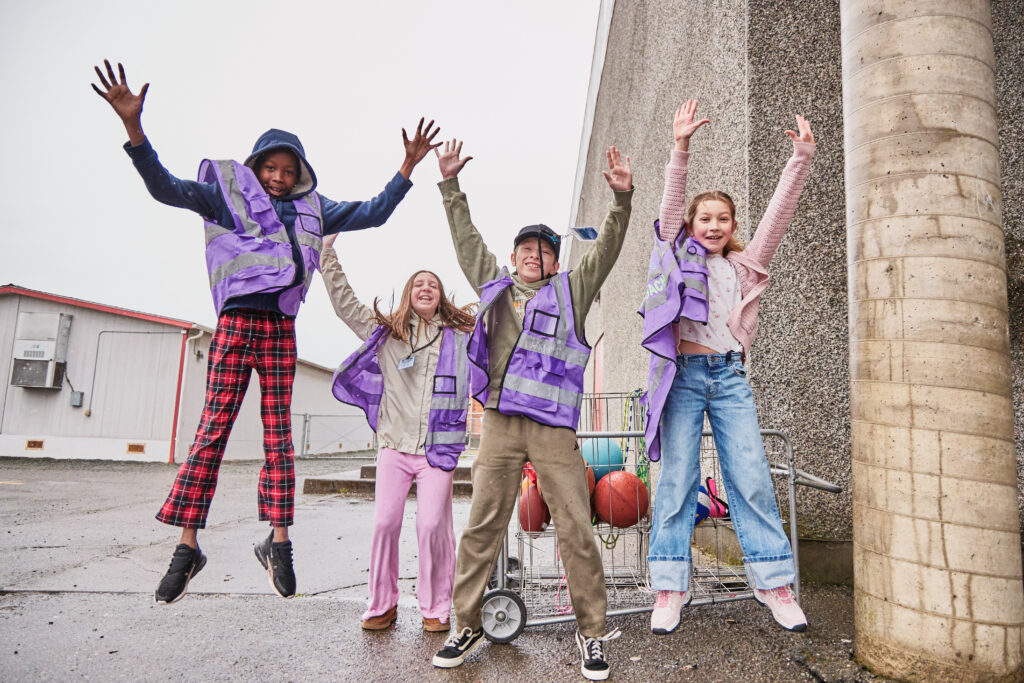 Those interactions aren’t always seamless, and that’s part of what makes them valuable. Every game involves different personalities, opinions, and perspectives.
Children may disagree about teams, argue over whose turn it is, or have different ideas about how a game should be played.
These moments give kids the chance to practice respect in real time.
Examples of how kids can practice showing respect: listen when another player explains a rule, invite a classmate to join a game, wait patiently for a turn, or accept a referee’s call even when it doesn’t go your way.
It can also show up during challenging moments, like finding a solution when two players want the same position on a team or deciding together how to handle a disputed play.
Over time, these everyday interactions help children build empathy, cooperation, and an understanding that everyone deserves to be heard and valued.
Try This Game: I Love My Neighbor…
All ages | Large group | No equipment | Under 10 minutes
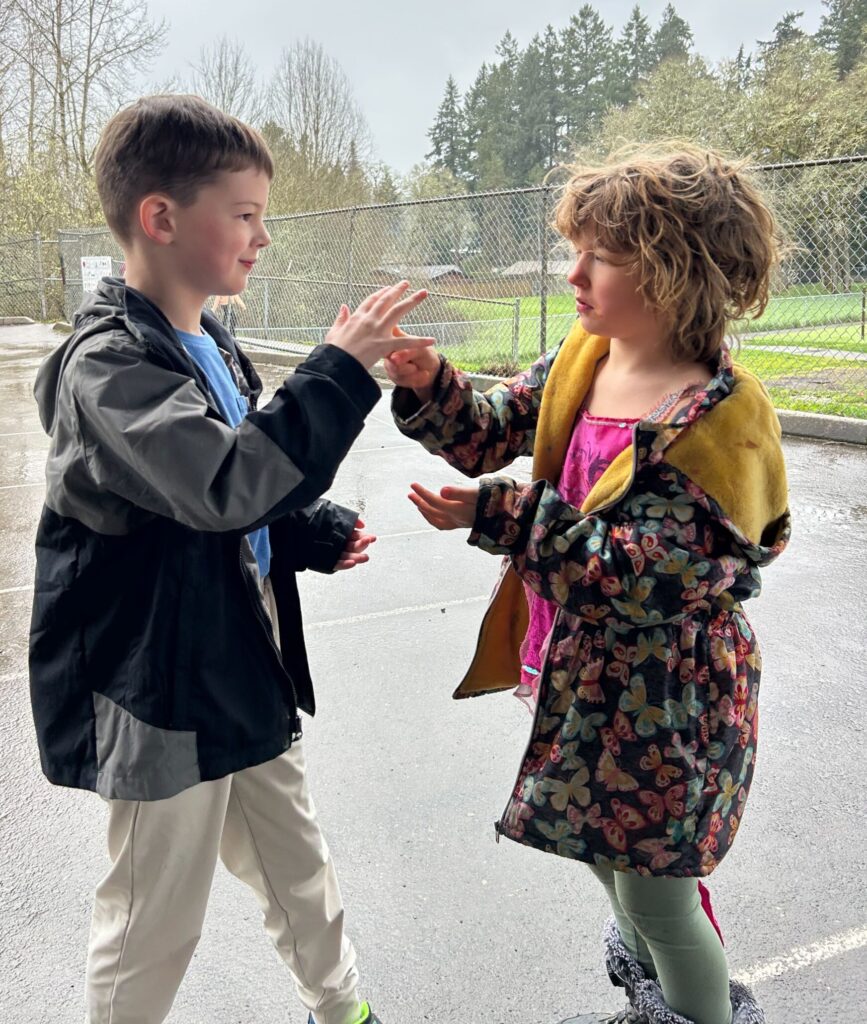
This game is simple yet surprisingly powerful. Players discover unexpected things they have in common with people they may not know well, helping build a sense of connection and understanding that strengthens respect within the group.
 Effective Ways to Build Respect Into Play
- Call out respectful moments: Recognize specific actions like waiting for a turn or inviting someone to join a game to reinforce positive behaviors.
- Join the fun: When adults play alongside kids and follow the same rules, they model respect through their actions.
- Look for ways to include others: Encourage children to invite new players into activities and make space for everyone to participate.
- Use disagreements as learning moments: Help kids work through conflicts about rules or turns so they can practice problem-solving and compromise.Check outthis blog or this webinar for more conflict resolution techniques.
Respect for Self
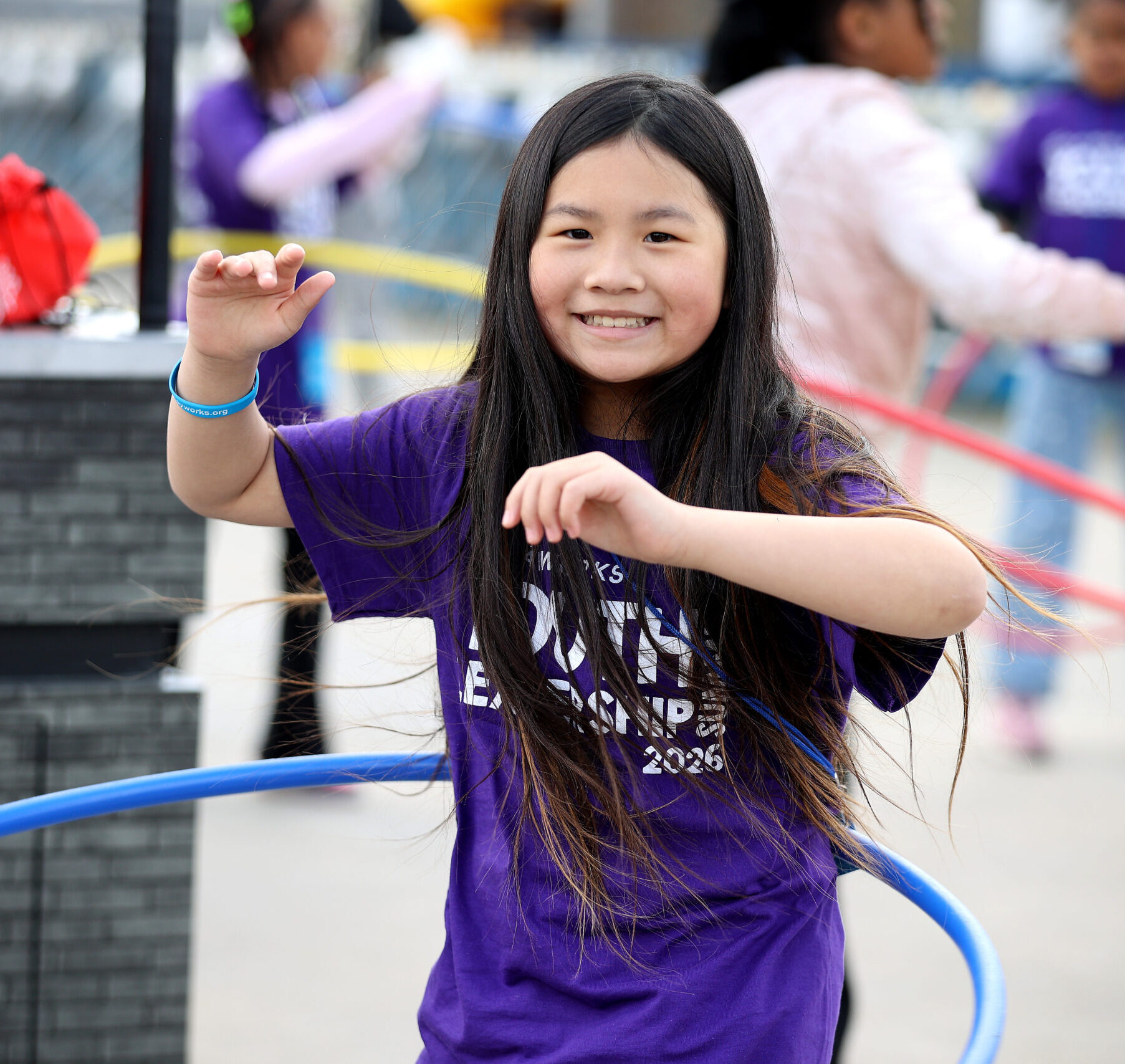 On the playground, learning how to handle both wins and losses with grace helps children build humility, resilience, and emotional regulation, all of which are key building blocks for self-respect.
An important part of self-respect is recognizing that your value is not determined by a scoreboard. When a child experiences a tough loss, feels disappointed, and still chooses to try again, they are practicing self-respect.
Adults can support this growth by validating feelings without dismissing them.
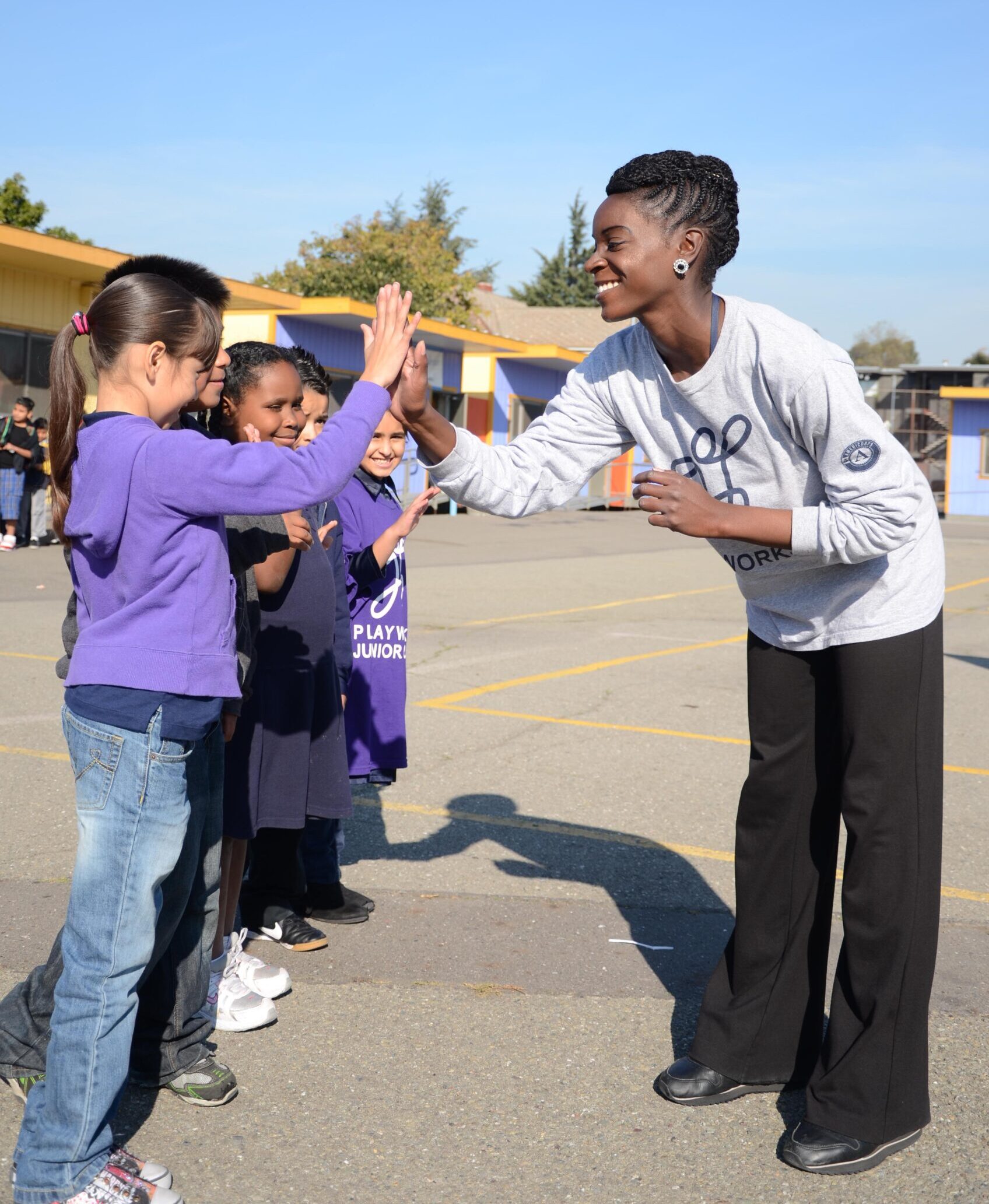
Sharing a quick high-five and “good job, nice try!” while encouraging them to get back in the game acknowledges the child’s emotions while showing that effort and character matter just as much as outcomes.
Try This Game: All Tangled Up
Grades 1–5 | Any group size | No equipment | 10+ minutes
Success requires communication, patience, trust, and awareness of others. Players must work together, listen carefully, and be mindful of one another’s space.
The game serves as a powerful reminder that strong communities depend on cooperation and respect. Everyone is connected, everyone contributes, and everyone succeeds together.
Adults Need Practice Too
 Learning how to treat ourselves and others with respect is a lifelong process.
One of the most powerful things adults can do for the children around them is to show that process in action.
When an adult joins a game with genuine enthusiasm, wins or loses gracefully, celebrates another player’s success, and adopts the shared rules of play, they are teaching respect in a way that feels authentic and memorable.
Children learn by observing the adults around them.
When adults model patience, kindness, and active listening, children gain real-world examples of what respectful behavior looks like.
Play Together, Learn Together
When adults play alongside children, opportunities for mutual respect naturally emerge. These interactions help children feel seen, valued, and supported while creating meaningful connections across age groups.
When a teacher, program leader, or parent joins in as a participant rather than simply observing, it shows that play is worthy of their time and attention and children notice that investment.
By practicing skills like respect with kids every day, we strengthen our relationships and become better role models for the children who are watching us.
Ready to bring more play, and all of its benefits to your school or organization?