It is critical to plan for the many ways kids will need support of their emotional well-being this school year.
At Playworks, we know that when kids’needs and wellbeing are prioritized, then engaging them academically becomes easier, and learning time is recovered. This year—especially if or when your school is shifting between in-person, hybrid, or virtual school environments—it is even more important to ensure that you have a plan to ensure that kids feel safe and engaged.
Here are a few steps you can take to map out your year:
- Consult your school administration on what is safely allowed in your school or district and to understand their specific tools, resources, and expectations.
- Have a plan for when things change:
- What will the first day of virtual or in-person programming look like if you switch models? Prepare a lesson plan that incorporates 3-5 norms that kids are used to experiencing all year. Here are some example norms:
- Do you always ask a check-in question or play a game to start your day? Perhaps you can play the Keep Playing Game of the Week, adding modifications throughout the week, to ensure every kid benefits from play at the start of every day.
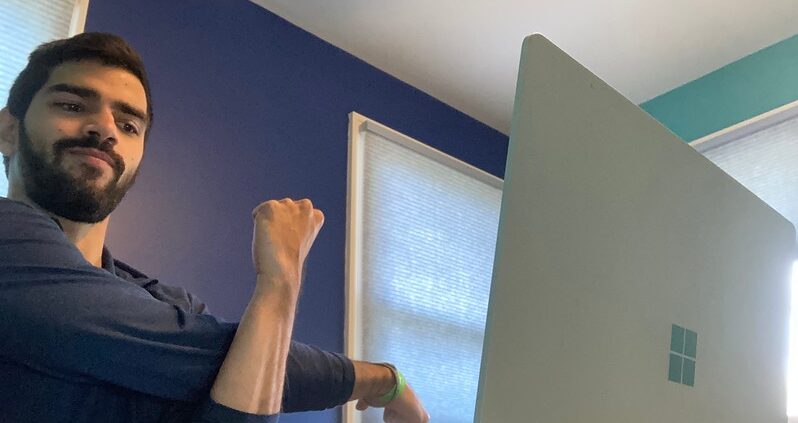
- Do you always end the day the same way? Perhaps you do a breathing exercise like volcano breaths (inhale while you lift your arms at center, rising with the lava; exhale with your arms wide coming down to your sides, falling with the lava down the mountain). Or maybe you ask all kids to share their appreciations and ah-ha’s of the day.
- Do you always take brain breaks during the school day? By integrating five to ten-minute breaks during classroom learning, teachers provide necessary movement and cerebral breaks to help children focus during lessons. You can utilize the Keep Playing brain breaks to get started.
- Keep up those practices in the new setting so that kids benefit from routine. How it looks might change, but what you do, why you do it, and how it makes kids feel should be the same. Check out Playful Ways to Build Relationships in 2020 for more tips.
- What will the first day of virtual or in-person programming look like if you switch models? Prepare a lesson plan that incorporates 3-5 norms that kids are used to experiencing all year. Here are some example norms:
- Identify what resources you may need to be successful.
- Be prepared to have a diverse and wide array of equipment that can be used to satisfy changes. Do you have the necessary technology (in both quantity and quality) that will help engage your students with remote instruction and play? What about physical equipment (with the proper sanitary measures) for when they return in person?
- Some of our favorite resources are from Kaiser Permanente, AAA, and Wide Open School.
- Prepare to make learning engaging for all kids. When kids need to move their bodies, use Keep Playing games and modify them to play in person or online.
- Have all of the adults in your classroom been trained for how to leverage play or provide recess for the different models? What is necessary for each model to work effectively?
- Remain flexible and open.
- Be responsive to the needs of individual kids, families, and your class. Listen first to understand what the challenges are, and adapt as best you can to meet those needs. It is ok to adapt as you go, especially as the challenges may continue to evolve.
- Celebrate the wins and express gratitude.
- Celebrate the milestones of kids, their families, educators, and yourself. Start a gratitude journal or practice with your class or child. Gratitude helps us emotionally and mentally as individuals, and helps to build community.
- Plan a few celebratory moments during times of transition (end of the first week in person or online), before breaks, and around school or community days to build community and to make learning especially fun. You can still do fun activities like a silly hair day or create a fun game with rules made up by the kids in person or online.
- Celebrate the milestones of kids, their families, educators, and yourself. Start a gratitude journal or practice with your class or child. Gratitude helps us emotionally and mentally as individuals, and helps to build community.
Having a plan in place for playing, knowing what your resources you need, and preparing to engage all kids are necessary steps to handle the uncertainty of the next months in education.