Picture this:
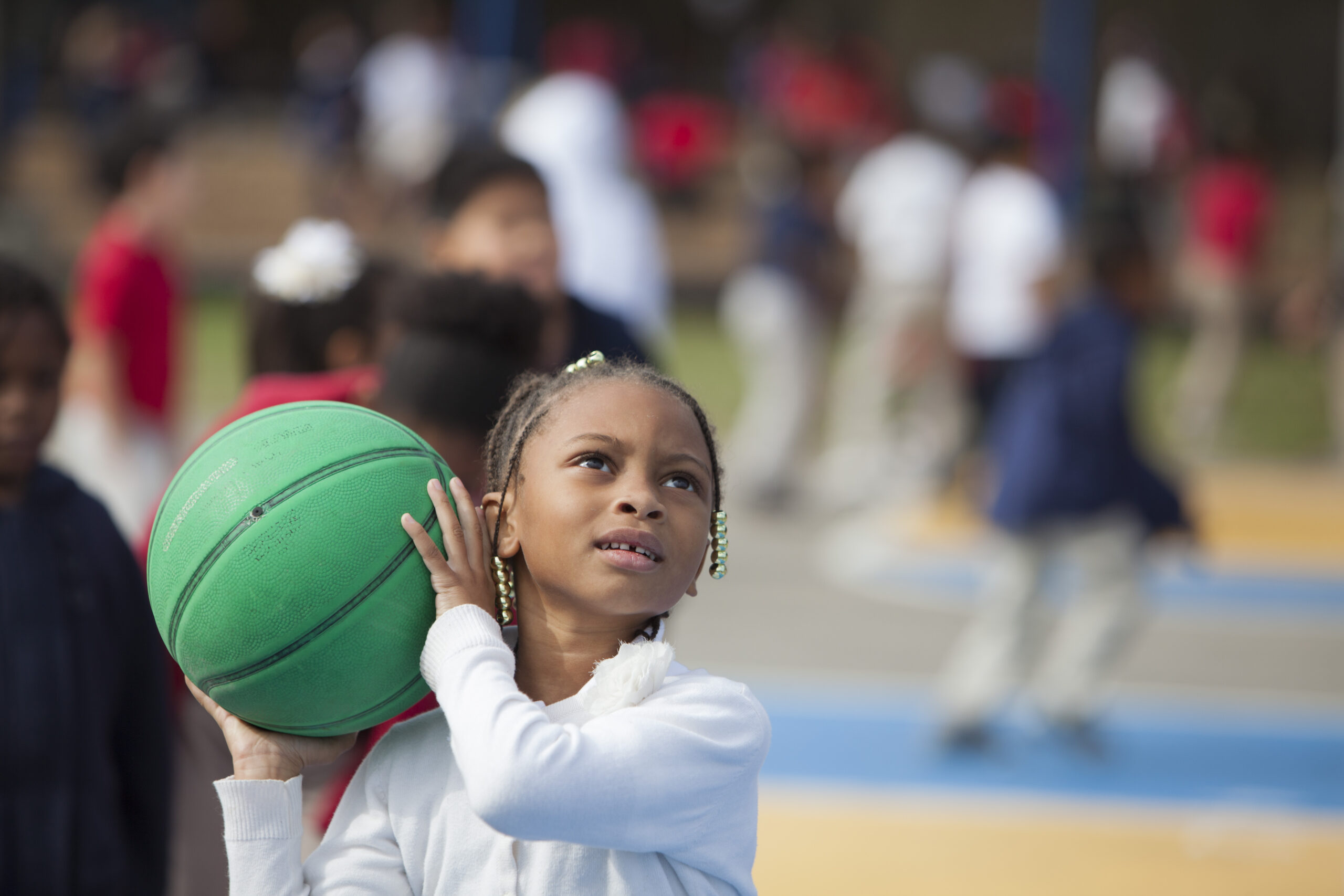
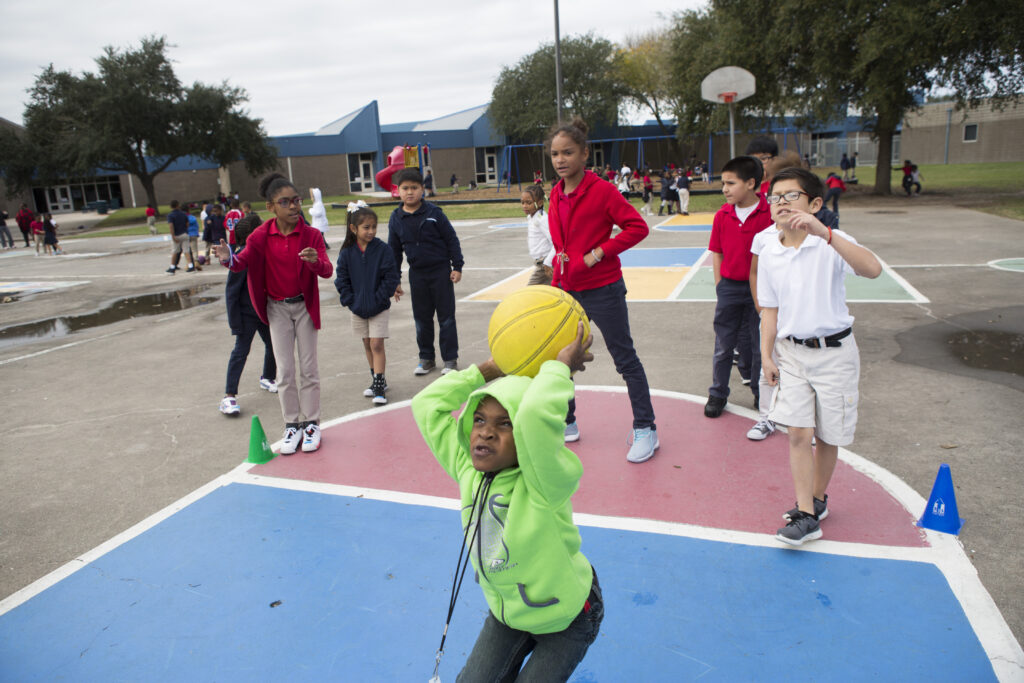
The ball is coming your way.
This is the moment you’ve been waiting for.
Your teammates are watching. The game is on the line.
You take the shot… and miss.
For a second, everything goes silent.
Do you walk away?
Do you shut down?
Or do you take a deep breath and get back in the game?
Moments like this happen on playgrounds every day. And while they may seem small, they’re some of the most important learning opportunities play has to offer.
This is where kids, and adults, learn perseverance.
Why Perseverance Matters for Kids
On the playground, perseverance can take many forms, like:
- Trying again after missing a shot
- Jumping back into a game after getting “out”
- Practicing a skill that doesn’t come easily
- Working through disagreements with peers about game rules or boundaries
These aren’t just “playground problems.” They mirror the same challenges kids face in classrooms, programs, and everyday life.
And importantly, perseverance is something that we can all develop.
Research from the American Psychological Association shows that perseverance and resilience, the ability to adapt and bounce back from challenges, are something that can be learned over time through experiences, relationships, and practice.
That’s what makes play so powerful.
It gives kids repeated, low-risk, real-world chances to build that skill.
How Play Builds Perseverance in Real Time
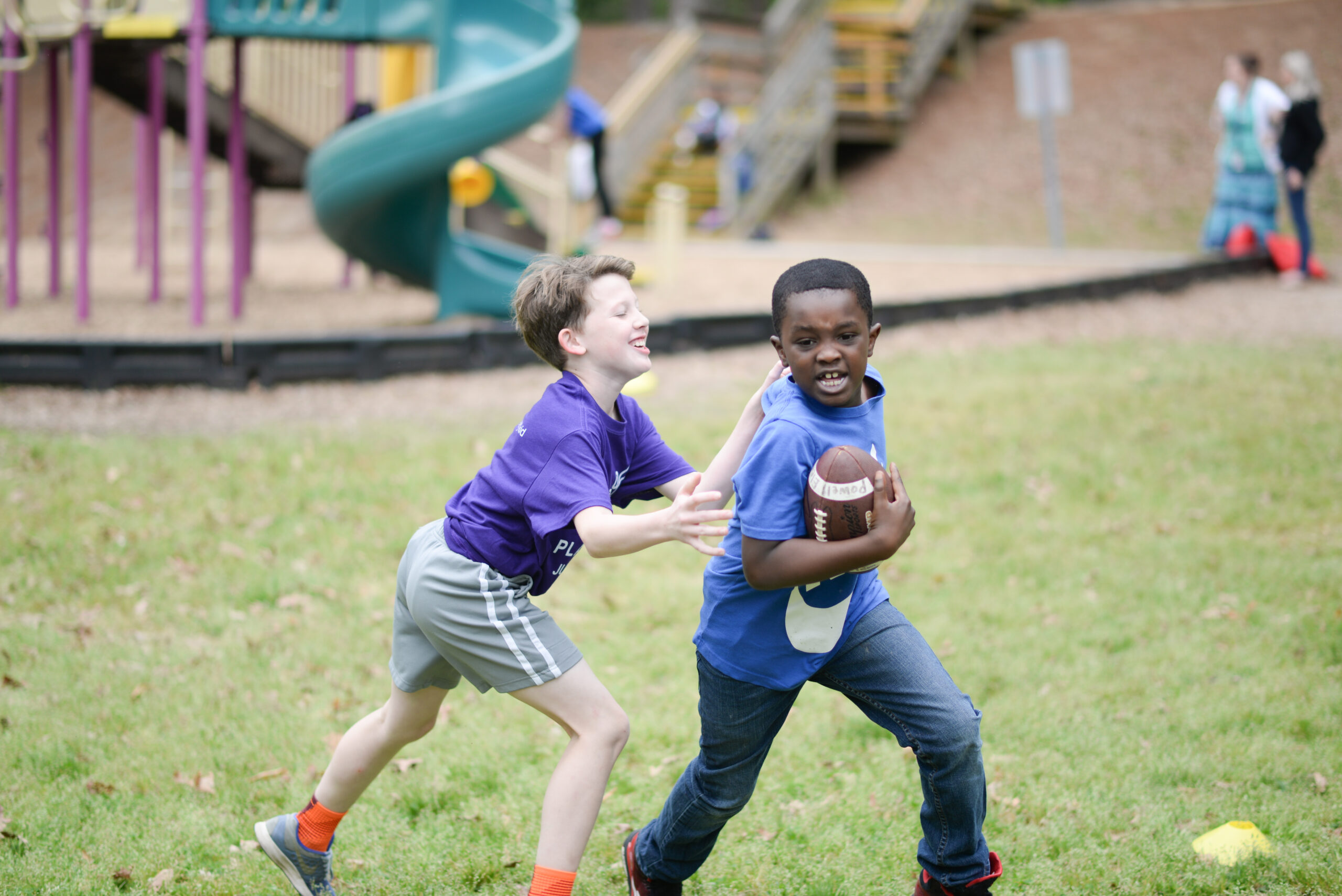
During play, kids are constantly testing new skills, solving problems with others, and building confidence through repetition. More importantly, they’re encountering these situations in a low-stakes, fun, and joyful environment where mistakes do not have a lasting impact outside the playground.
Over time, these small moments help build perseverance and the willingness to keep going, even when things don’t go as planned. Learning how to approach and overcome setbacks and obstacles during play can be translated into the classroom and beyond.
Simple Ways to Build Perseverance Through Play
Adults on the playground can also help intentionally create opportunities for kids to build perseverance.
Normalize Mistakes: Make it clear that mistakes are part of the process. Make a point to celebrate effort and growth with a high five or “good job, nice try.”
Choose Games That Challenge: Use activities that require practice, teamwork, and multiple attempts. Recycle lines are a great way to keep things moving rather than sitting “out” for long.
Offer a Variety of Games: By having a wide range of games that utilize different movements and strategies, kids have an opportunity to try-on many different skills. Encourage them to sample new sports and games without the competitive pressure of leagues.
Encourage in Quick Reflections: After play time, ask kids a few reflection questions:
- What was tough about that game/activity?
- What helped you keep going?
- What would you try differently next time?
Adults Play a Role in Building Perseverance, Too
Perseverance during playtime doesn’t just show up in kids, it also shows up in the adults supporting them.
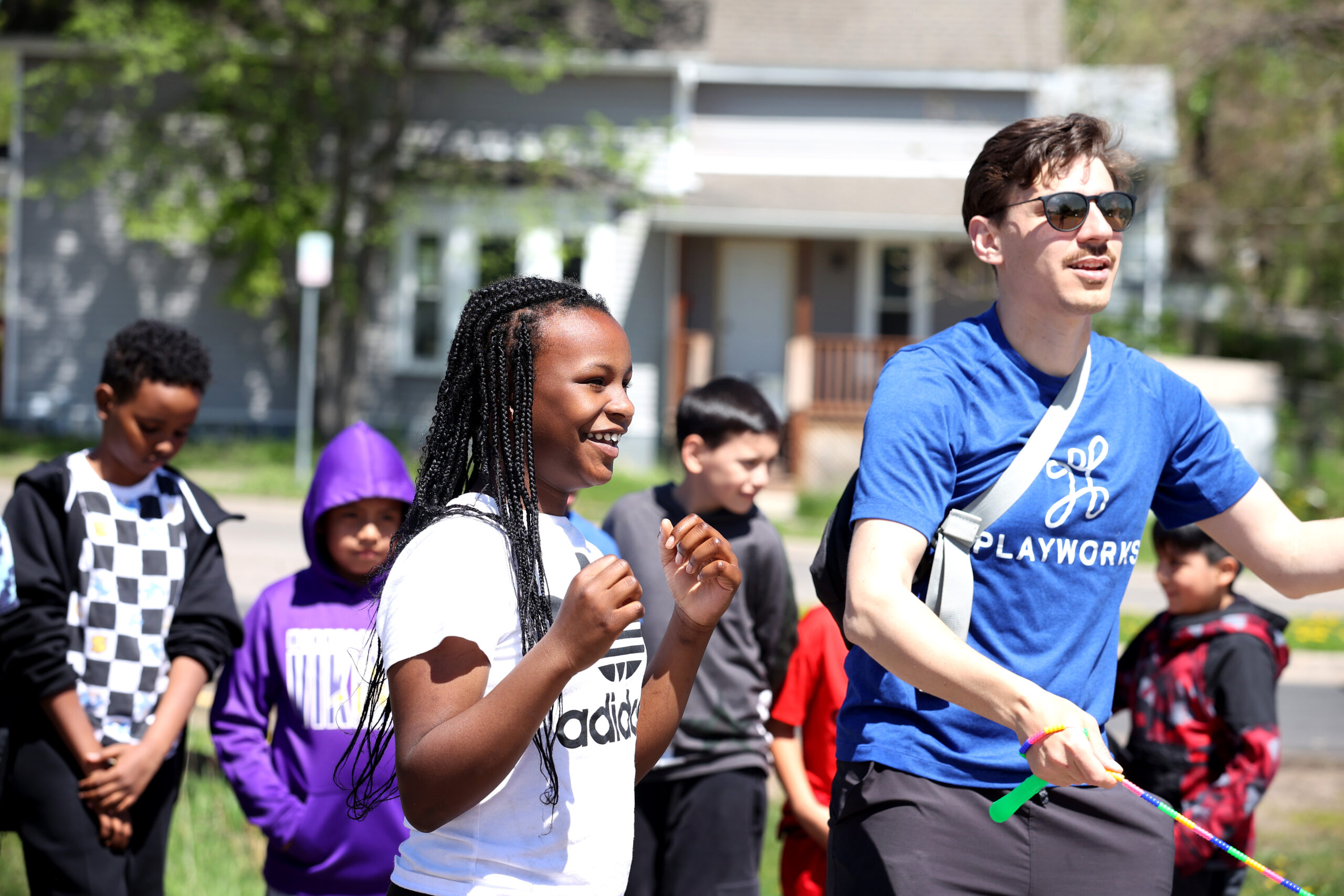
Think about leading a game or teaching a new skill. Not every group picks it up right away. Some kids jump in quickly, while others need more time because they feel unsure or a little frustrated. And it can be frustrating for the adults too, having to repeat yourself or find a new way to demonstrate the intended actions.
In these moments, adults can practice perseverance while also encouraging it in the kids they work with.
That can look like:
- Slowing your instructions down and breaking movements into smaller steps
- Explaining the rules visually and verbally for different learning styles
- Playing a practice round then pausing to clarify any confusion
- Starting with a similar version of the game and then adding complexity later on
In those moments, adults are modeling exactly what they want kids to learn: keep going, adjust, and try again.
Many adults can also remember an “I did it!” moment from their own childhood, like learning to double-dutch or making that 3-point shot.
That feeling of “I did it” sticks.
It’s the same feeling kids are building through play every day.
Bring the Power of Play to Your Program
At Playworks, we partner with schools, afterschool programs, and community organizations to help create engaging play environments where kids can build skills like perseverance, teamwork, and confidence.
If you’re looking to bring more purposeful play to your school or program, we’d love to connect.
Learn more about Playworks and explore how you can bring these opportunities to your community.
Connect