Attendance Is Shaped by the School Experience
Chronic absenteeism is one of the toughest challenges K-12 schools are working to solve. While attendance is tracked closely and tied to accountability, the strategies that actually improve it are harder to pinpoint, especially at scale.
Elizabeth Cushing, CEO of Playworks, recently sat down with Michael Lopes-Serrao, superintendent of Parkrose School District in Oregon, and Shelli Deaguero, principal of Clara Brown Entrepreneurial Academy in Colorado, to talk about what they are seeing in their schools and what is actually influencing attendance day to day. The conversation, hosted as an EdWebinar by Playworks, focused on something more immediate than policies or reporting: what students experience throughout the school day.
After years of working alongside schools nationwide, Elizabeth Cushing sees a clear pattern. “When students feel connected and engaged during the school day, we see attendance improve alongside it.” Students are more likely to show up when school feels like a place they want to be, where they feel connected and part of what’s happening.
The strategies below show how school and district leaders are putting that into practice:
1. Build Belonging Into Daily Interactions
Students are more likely to show up when they feel like they belong, and they can tell quickly whether they do.
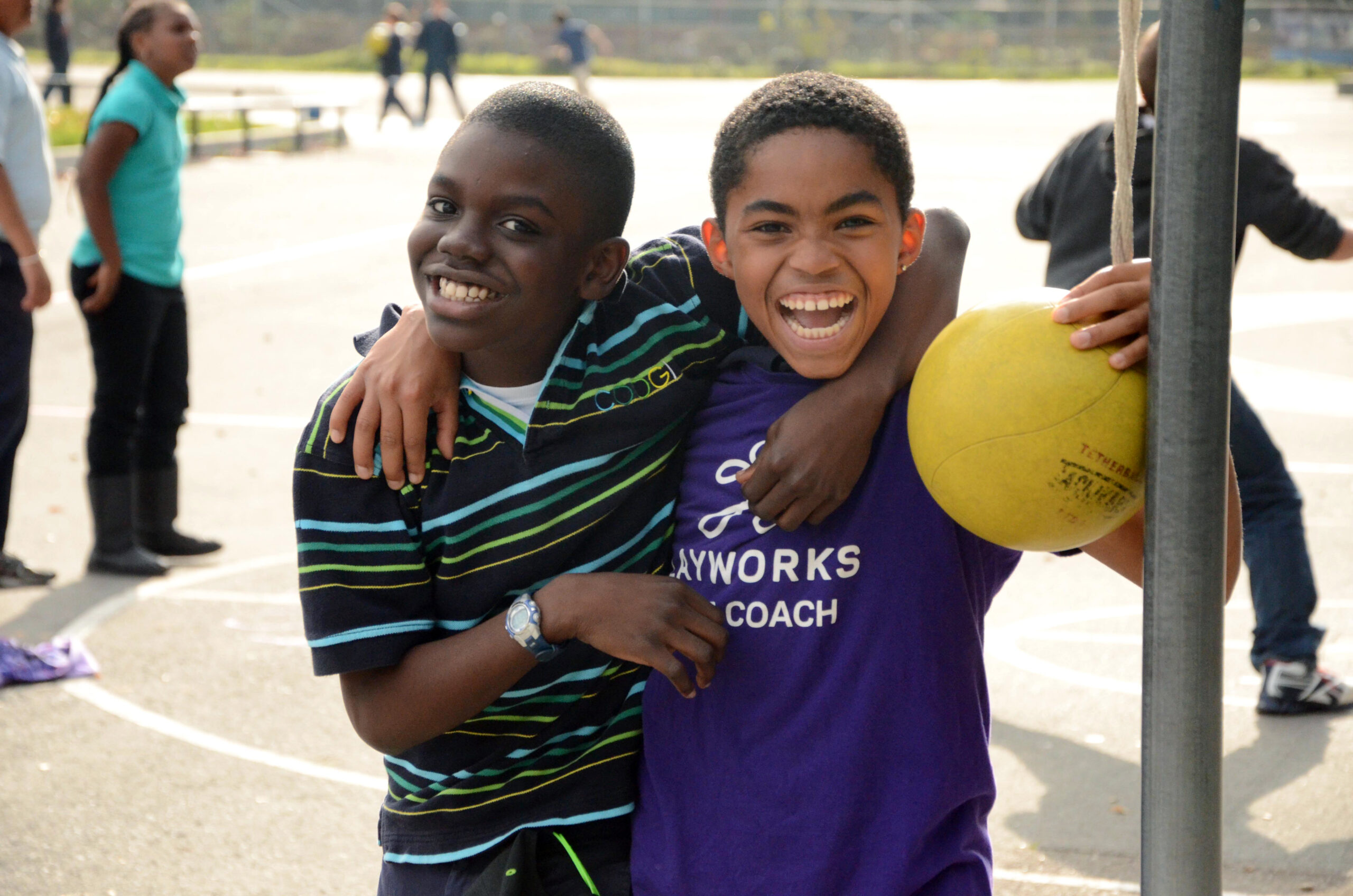
As Superintendent Lopes-Serrao frames it, “Kids have a rightful presence in the school, regardless of who they are, what language they speak, what their background is.” When that expectation is clear, it shows up in how students are welcomed, spoken to, and included from the moment they arrive.
At the school level, that shows up in daily actions. Principal Deaguero explains, “It starts with… building strong, positive relationships, being present, knowing who our students are and what they bring.” This is not a separate initiative. It is how the school runs.
Belonging is built in small, consistent moments over time and those moments influence whether students come back.
2. Design the First 30 Minutes of the Day Intentionally
The way students start the school day shapes everything that follows. For many students, especially younger ones, arrival is not fully within their control. When the start of the day feels rigid, it can create friction before learning even begins.
Principal Deaguero sees the difference in her school. “It is that time to just connect with kids… and find that joy.” Morning routines like breakfast in the classroom and daily meetings give students space to settle in and feel grounded.
At the district level, Superintendent Lopes-Serrao introduced a “soft start” for the same reason. “It’s not this intensive formal setting… experiencing the embarrassment of ‘I’m not to school on time.’” That shift removes an early barrier.
The first minutes of the day often determine whether students feel behind before they begin, or ready to step in.
3. Create Consistent Opportunities for Play and Movement
Play is often treated as a break from learning. In practice, it shapes how students experience the rest of the day. Elizabeth Cushing describes it in simple terms: “One of the benefits, besides all the other benefits you would imagine come from kids getting to play, is that attendance improves.”

Play is one of the few times in the day when every student is moving, interacting, and building relationships at once. When that experience is positive, it carries into the classroom.
Principal Deaguero builds that into the school day on purpose. “Our students do love the class game times… and that is just part of our routine.” Those moments give students a chance to reset, connect, and practice skills like problem-solving and cooperation.
Students return more ready to focus, and fewer conflicts carry into instruction. When play is consistent, it strengthens relationships, supports engagement, and makes school a place students want to return to.
4. Make Transitions and Shared Spaces Predictable
Transitions are often treated as in-between moments. In reality, they shape how the school day feels.
Superintendent Lopes-Serrao sees this most clearly in shared spaces like hallways, cafeterias, and recess. Without clear routines, those moments can quickly become chaotic or inconsistent, which affects how students move into the next part of their day. “Students are part of a broader community… and the culture of the school is influenced by these routines and transitions and the reasons why we need to be safe in certain spaces.”
That consistency reduces conflict, supports smoother transitions back into the classroom, and protects instructional time.
Principal Deaguero takes a similar approach. Routines are introduced early, practiced with students, and reinforced throughout the year. Students know what to expect when they move between spaces, and that predictability creates a sense of stability.
Play also plays a role here. Shared strategies, like using simple games or quick decision-making tools, help students navigate small conflicts before they escalate. Over time, those routines become part of the school culture.
When transitions are consistent, students spend less time recovering from disruption and more time engaged in learning.
5. Lead Attendance Work Through Relationships, Not Enforcement
Attendance is often addressed through policies, reminders, and consequences. In practice, those approaches only go so far.
Elizabeth Cushing points to a different starting point. “There isn’t one reason or one solution… all of the grown-ups in a school really have to be integrated.”
Attendance improves when students and families feel connected to the school, not when they feel monitored by it.
Principal Deaguero has seen how that shift changes conversations. Instead of framing attendance as a compliance issue, her team approaches it as a point of connection. “We’re kind of sending a miss you message to families… and really just framing that not as a punitive thing… but as a how can we support you?”
This helps families feel more open, students feel less pressure, and schools better understand what is actually getting in the way. A difference in approach can change how families respond from the very first conversation.
6. Ensure Every Student Has a Trusted Adult
 For some students, one relationship can change how they experience school.
Superintendent Lopes-Serrao sees this as one of the most practical ways to support attendance. “Every student should have at least one adult in the building who knows them well.” When that connection is in place, it becomes easier to notice when something is off and step in early.
That relationship doesn’t have to be a classroom teacher. It can be a counselor, a recess coach, a front office staff member, or any adult who takes the time to build trust and stay consistent.
Elizabeth Cushing puts it more directly. “It takes every adult in the building working together so every student feels known by someone.”
With that kind of connection in place, it becomes easier to notice when something is off and respond early.
7. Use Student Feedback to Strengthen the Experience
Students experience the school day differently than adults do. Without their input, it is easy to miss what is actually getting in the way. Elizabeth Cushing emphasizes the importance of listening directly to students. “If we want to improve attendance, we have to understand what students are experiencing and what they need from the school day.”
That insight shifts how schools approach the work. Instead of assuming what students need, leaders create space to ask and adjust.
Superintendent Lopes-Serrao has seen how simple tools, like student surveys and focus groups, surface patterns that might otherwise go unnoticed. Students point to where they feel disconnected, where routines break down, and where support is missing.
 Those insights highlight small changes that make a big difference in how students experience the day. When schools listen and respond, students are more likely to feel invested in being there.
Chronic absenteeism is often approached as a problem to track and manage. In practice, it is shaped by how students experience the school day.
Across these strategies, the pattern is consistent. When students feel connected, when routines are predictable, and when there are regular opportunities to play, move, and build relationships, school becomes a place they want to be.
Elizabeth Cushing sees this as an opportunity for schools to focus on what they can control. “When we improve how the school day feels for students, we see changes in engagement, behavior, and attendance.”
That is where Playworks focuses its work. By helping schools create organized, welcoming environments, especially during moments like recess and transitions, it becomes easier to build the relationships and routines that support consistent attendance.
Improving attendance does not start with a new system. It starts with the daily experience students have when they walk through the door.
You can access hundreds of games to try today in the free Playworks Game Library