In order to help kids recover from learning loss, we must ensure their emotional needs are met. We need to prioritize every child’s wellbeing, and that starts with acknowledging that many kids are healing from traumas caused by the pandemic, including social, emotional, and physical impacts of COVID-19.
“When children experience stress and trauma, it is difficult for them to access the portions of the brain that support thinking and reasoning, making play a needed ingredient of a successful learning environment,” Rebecca London and Will Massey said in EdSource.
Before we approach recovering from lost learning, we must ensure kids feel emotionally safe and cared for. Helping them feel safe involves ensuring they feel included in the community, they have built trusting relationships, and feel comfortable being their most authentic selves.
“The best way schools can help students catch up academically after a year of distance learning is to ensure they feel relaxed, safe, and connected to their friends and teachers as they return to the classroom,” said Carolyn Jones in EdSource.
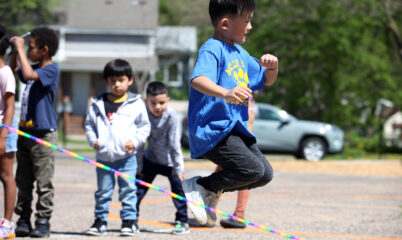
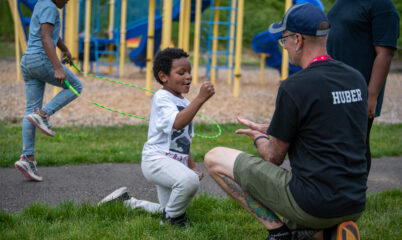
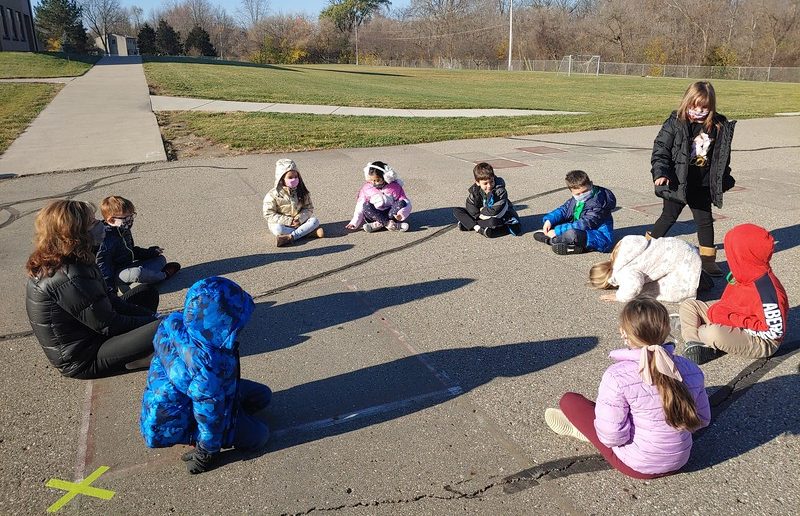
Safe and healthy play can support these needs. Creating space for social connection will accelerate healing; kids and adults build those connections naturally when playing together.
“Children and youth build relationships with each other and with adult educators when they play together, and these relationships are different from the relationships they develop in an instructional setting. These relationships can create safe environments and a sense of belonging for everyone,” said the American Institute of Research.
That’s why play and recess need to be intentionally built into every child’s day.
“Children will need time and space to heal from the collective trauma. Social relationships, in particular, provide a context for emotional support, enjoyment, creative play, physical activity and the development of social identities — all of which contribute to overall development and well-being.” -Lauren McNamara and Pasi Sahlberg, The Conversation
The CDC and most states have not issued guidance about how to safely return to recess. Playworks is filling that gap, supporting hundreds of schools nationwide with intentionally building play and recess into their approach to reopening and supporting organizations and schools in ongoing ways throughout the school year.
Next year is going to be critical for kids’ journey to recover from learning loss and heal from trauma. You can be a critical part of the solution.
Learn more about our Safe Return to Play Training for schools, other services for schools or youth serving organizations, or make a donation to support kids in your community today.