“Since we stopped allowing phones in class, I’ve noticed such a positive shift in my students. They’re more engaged in our discussions, more respectful of each other, and far more focused on their work. Without the constant pull of their screens, they’re connecting through conversation, sharing ideas, and really diving into the stories we read together. It’s brought a new sense of community and enthusiasm to our classroom. They seem genuinely happier to be part of the learning community.” – 6th Grade Teacher, New York
For the first time in years, students in New York and other states returned to school without something they have come to depend on daily—their phones. This seismic transition will undoubtedly require time and patience from students and teachers alike, and presents an opportunity for everyone to engage positively.
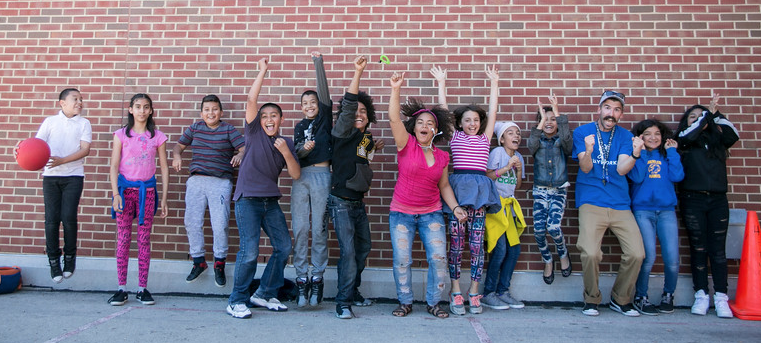
When kids impulsively reach for their phones, they’re usually doing so in search of a quick boost: the chuckle from looking at a meme, the affirmation from getting likes, and the social element throughout. Play is the ideal strategy to meet those same needs in a way that gets kids moving, smiling, and practicing important life skills.
This fall, use brain breaks and minute movers to re-energize the room when you see students starting to look fatigued. Take intentional time for teambuilding and cooperative play to support communication and strategic thinking. Gamify a lesson to increase the appeal and maximize retention. Whatever your objective, Playworks has a resource or a service to get it done. Start by checking out some tips for creating supportive play in your community and reach out directly for more information on our services in New York and New Jersey – we’ll help you Fall into play!
Metropolitan Museum of Art
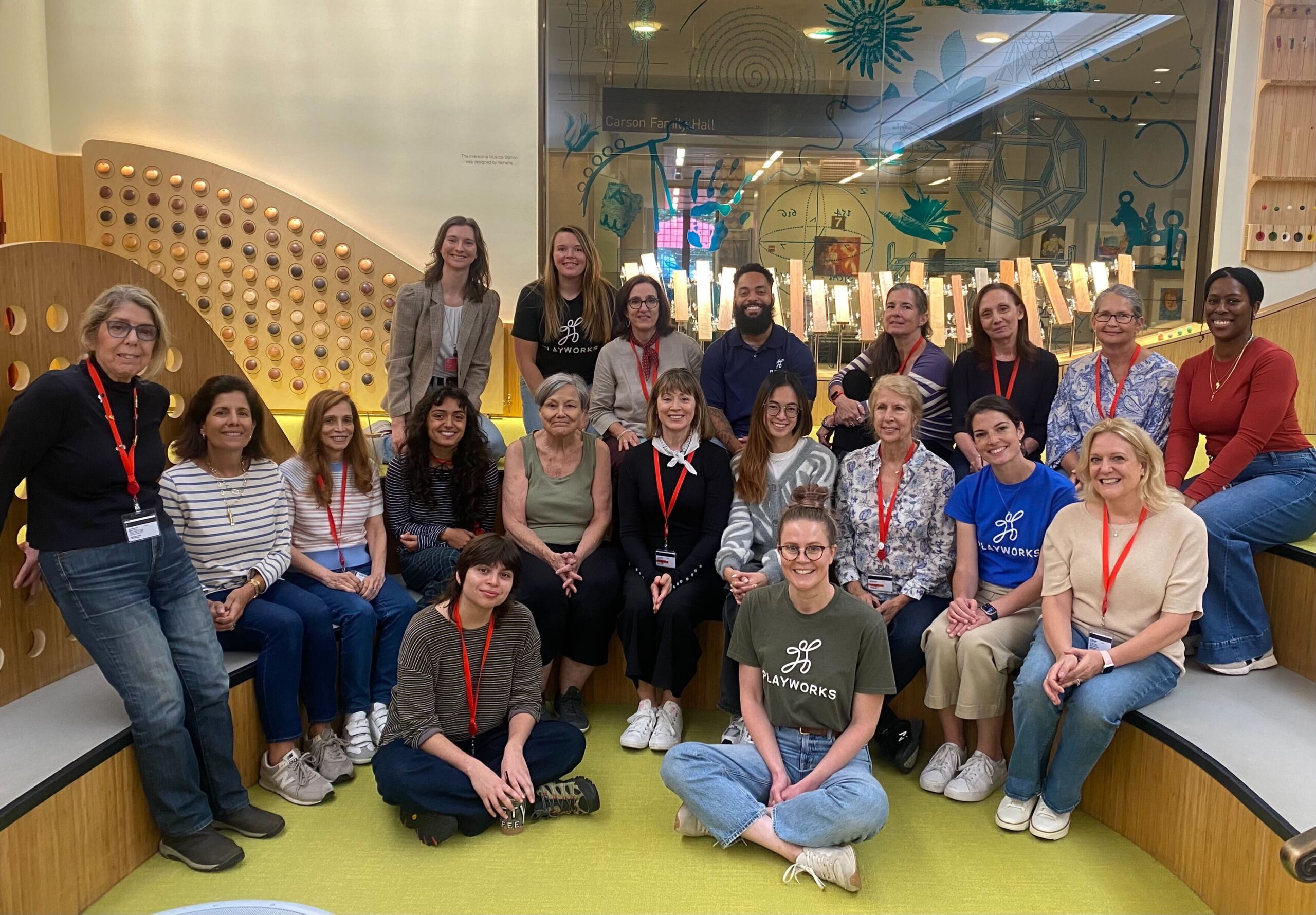
Recent training with The Metropolitan Museum of Art was a big success! We convened with volunteers who support young visitors to the Museum’s 81st Street Studio Play Space and explored various strategies with them. These included positive framing and reinforcement, using inclusive language, modeling energy and joy, encouraging participation, debriefing through play, employing attention signals, and deepening relationship-building—all tools that participants can use to make their interactions with children and caregivers both impactful and enjoyable.
Game: Everyone’s It Tag
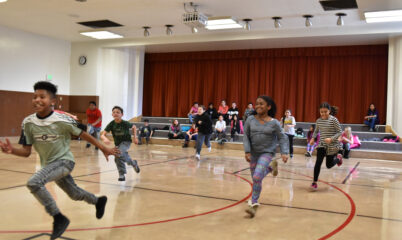
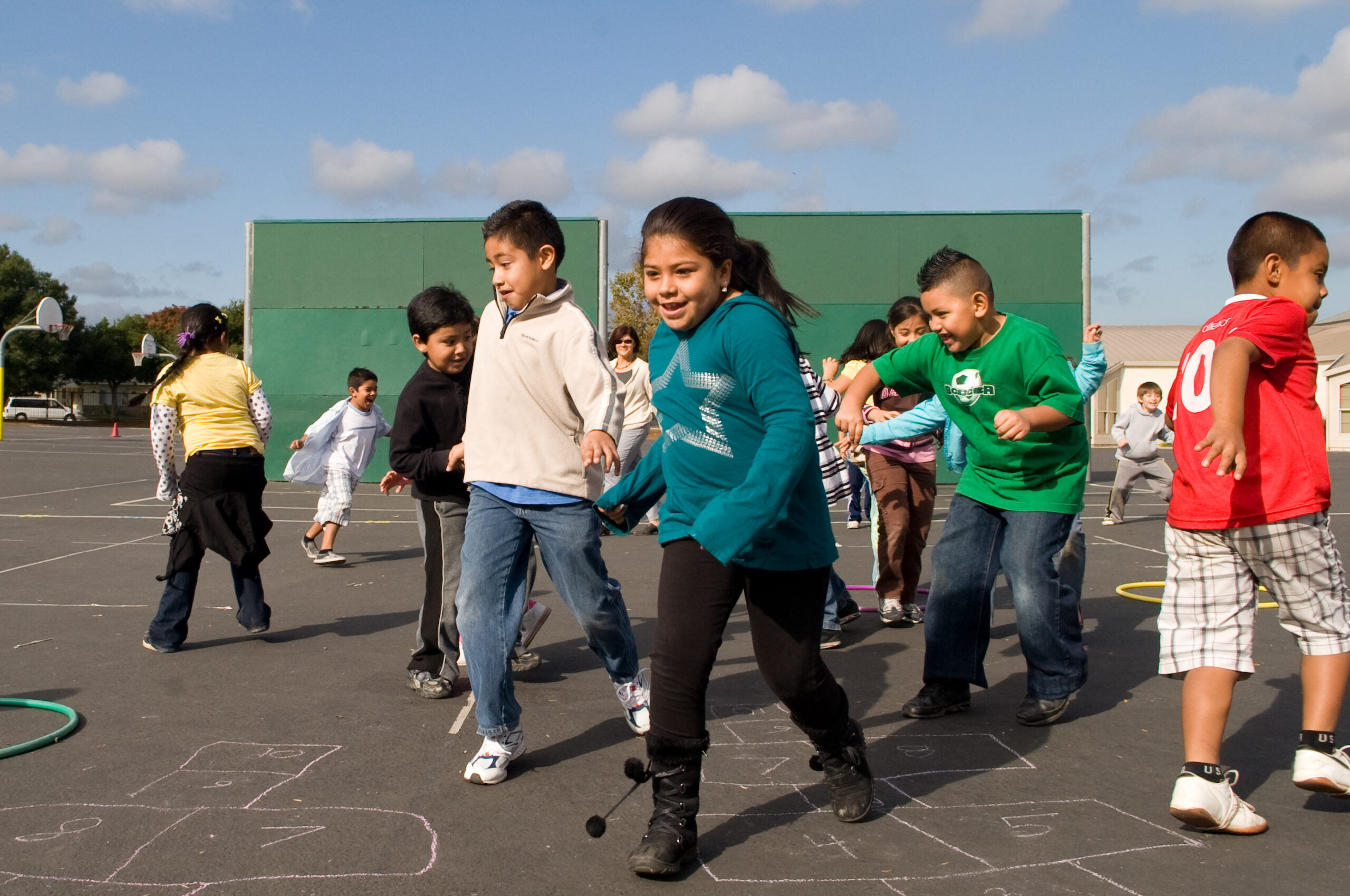
The mere mention of…gasp!… ‘Tag’ elicits images of chaos: kids flailing around in an ever-expanding cloud of dust and shrieks. Many students love tag for precisely the same reasons that many teachers don’t – it’s a rare occasion when they’re allowed to be loud and wild.
There’s a lot to like about the game of Tag – it’s exciting, ever-changing, and can keep a large group of kids actively engaged for long periods of time. Still, it’s not inherently inclusive and often results in conflict and safety concerns. That’s where Playworks comes in.
Looking for more safe and structured Tag games? Try on Bandage Tag, Watch Your Back Tag, or Magic Tag for a fun collaborative twist. You’re it!
Our game library has an entire section dedicated to Tag Games that maintain all the excitement and dynamism of the original while completely reimagining rules and roles in order to make the game safer and accessible to everyone.
Practical Tips: Recruit Older Students as Leaders
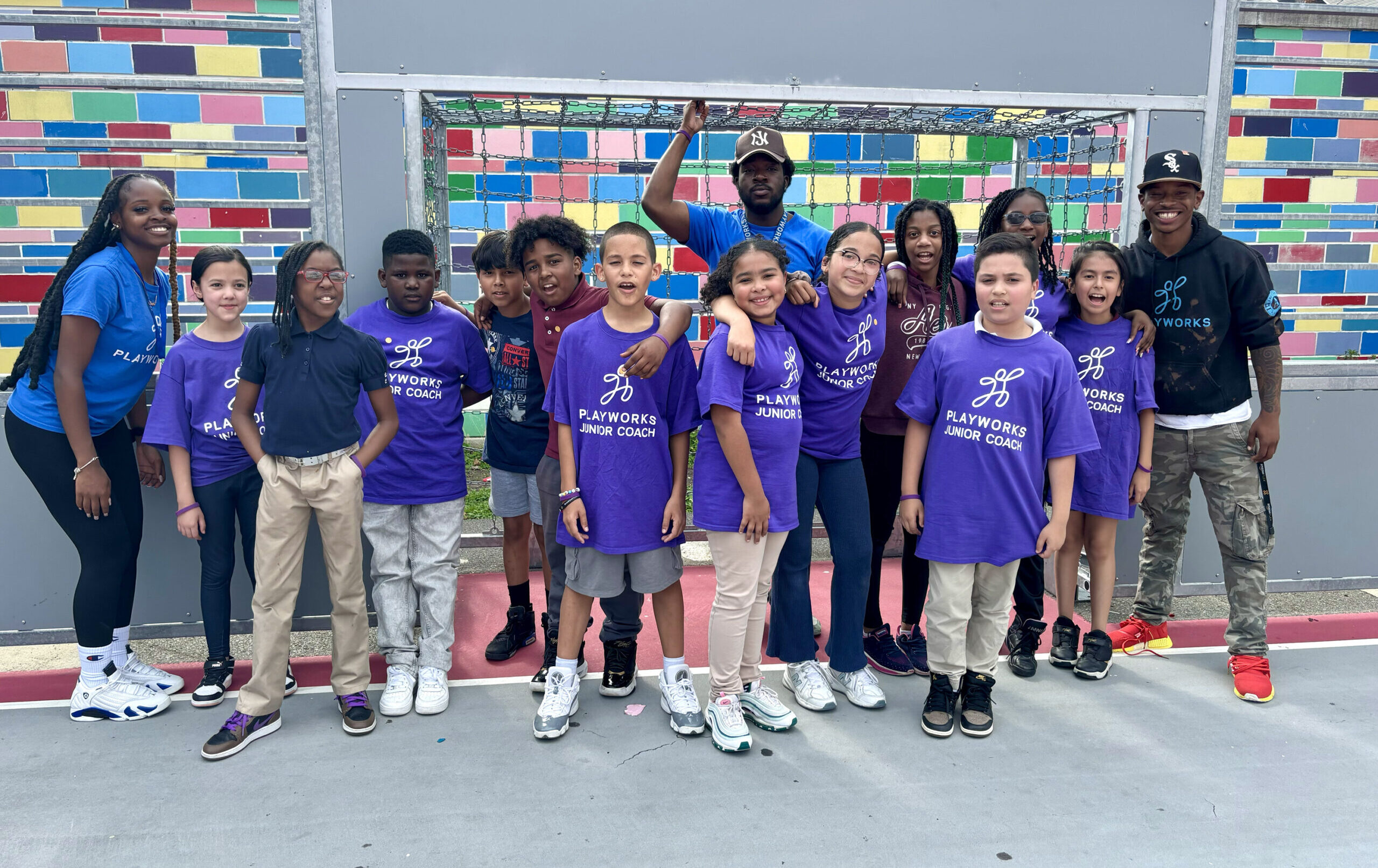
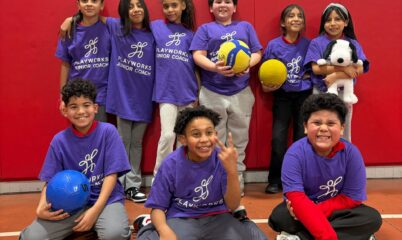
The Junior Coach Leadership Program is a powerful initiative the gives older students the opportunity to build self-esteem, take on responsibility, and grow as leaders—all while making recess more inclusive and fun for everyone. Junior Coaches help shape a more structured, supportive, and welcoming playground environment by leading games and encouraging positive behavior among younger students. Here are some of the jobs student leaders can hold on the playground:
- Line Captain Help smooth transitions in and out of recess. Junior Coaches can lead chants, movement games like Follow the Leader, or cheers as the class lines up.
- High Fiver Promote positive sportsmanship by encouraging student leaders to give high fives and share compliments like, “Nice try kicking the ball!” or “I love how you included your teammate!”
- Shoe Tie-er Some students love showing off their shoe-tying skills. There’s always a need—especially with the younger ones!
- Game Leader Junior Coaches can support and run staple games like four square, wall ball, soccer, or basketball. This helps games run smoothly and keeps more kids engaged.
- Equipment Manager Empower students to distribute and collect playground equipment before and after recess. This role not only gives students ownership, but also cuts down on lost items.
- Recess Buddy Some students hang back during recess. Junior Coaches can help bring them into the fold by inviting them to join games and making them feel seen.