Before I step onto a campus for a site visit, I already have a goal in mind.
Even if I think I don’t.
I’ve reviewed the Great Recess Framework data – Safety, Engagement, and Empowerment scores. I’ve looked at transition ratings, adult facilitation indicators, and student conflict-resolution metrics. Patterns start to form before I ever arrive. So when I step onto campus, I’m carrying a quiet hypothesis about what I expect to see.
 But I’ve learned that data needs context and a site visit is where you find it.
When I show up in a branded Playworks shirt, something shifts immediately. The front office energy tells a story. Key players find you. Smiles. Salutations.
“Are you here to coach?”
Sometimes I’ve even been asked, “Are you our Coach’s dad?,” which tells you something about how visible and connected our team members are on campus.
You start noticing things quickly. Is adult language aligned? Are systems embedded or just posted on a wall? Does the culture feel consistent… or situational?
Yes, someone recorded data on a specific day. But a site visit reveals whether that moment was an exception or a pattern.
They help me see where the gears are actually touching – where friction exists, and whether what we said we would model together is truly happening in real time.
What You Actually Learn When You’re There
Across Southern California, I’ve watched site visits shift how leaders understand the work. District administrators, funders, and board members, once they step onto a playground, the conversation changes.
Here’s what consistently emerges.
1. You See Leadership in Real Time
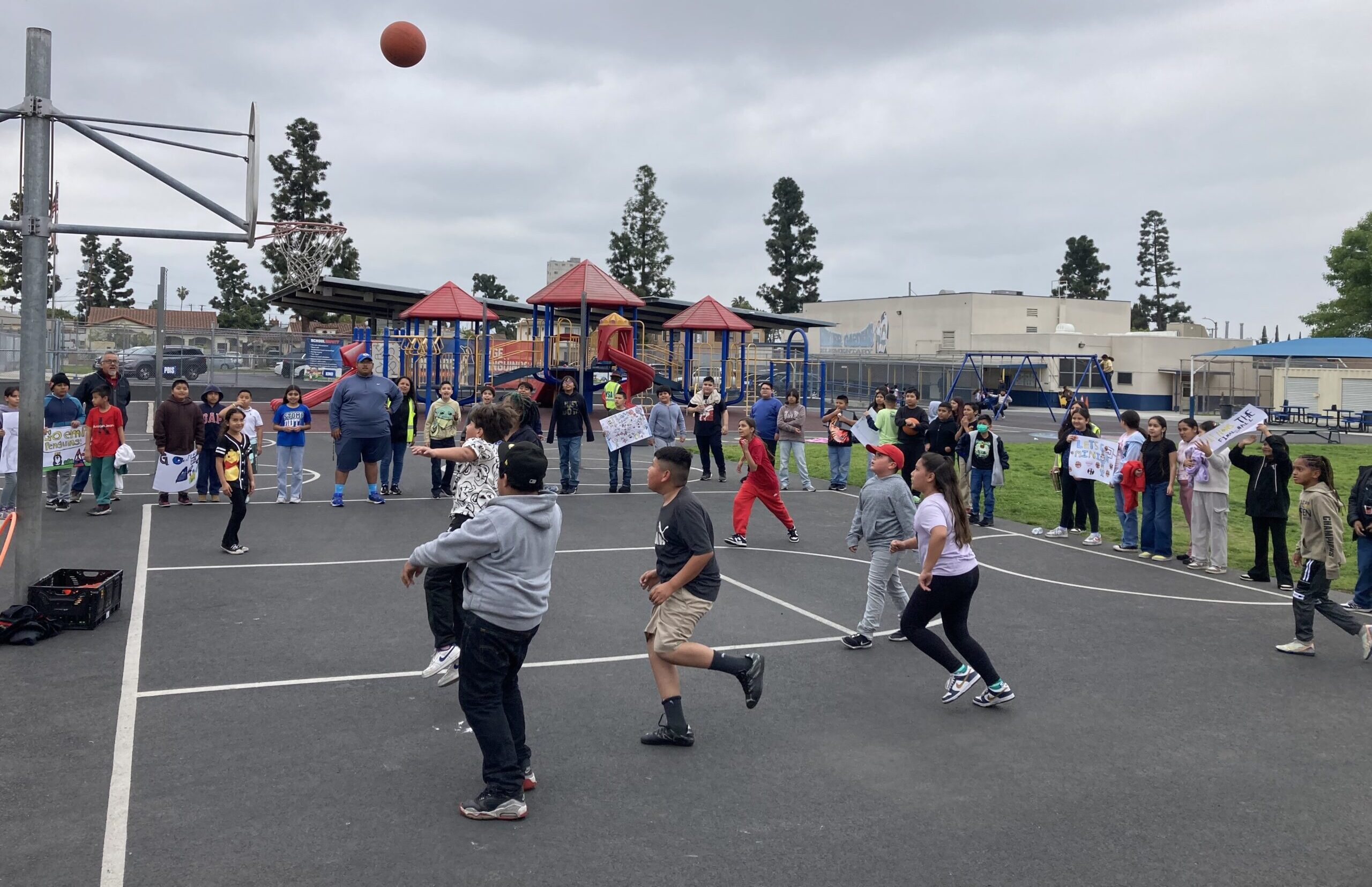
You might see a Playworks coach adjust a game because the energy feels off.
You might see a fourth grader step in to resolve a disagreement using “rock-paper-scissors.”
You might see a principal reinforcing recess routines in sync with our team.
These moments don’t always show up in reports. But they reveal whether leadership is truly distributed, whether students and adults are owning the culture together.
They also reveal alignment. Did we model what we said we would model? Is the language consistent? Are expectations reinforced beyond our staff?
That’s hard to fake in person.
2. You Understand the “Why” Behind the Numbers
 Metrics matter. We track school climate, student engagement, physical activity, and conflict resolution. National evaluations and local partner surveys consistently show measurable gains in school climate improvement, physical activity, and transition efficiency.
But numbers without proximity can drift.
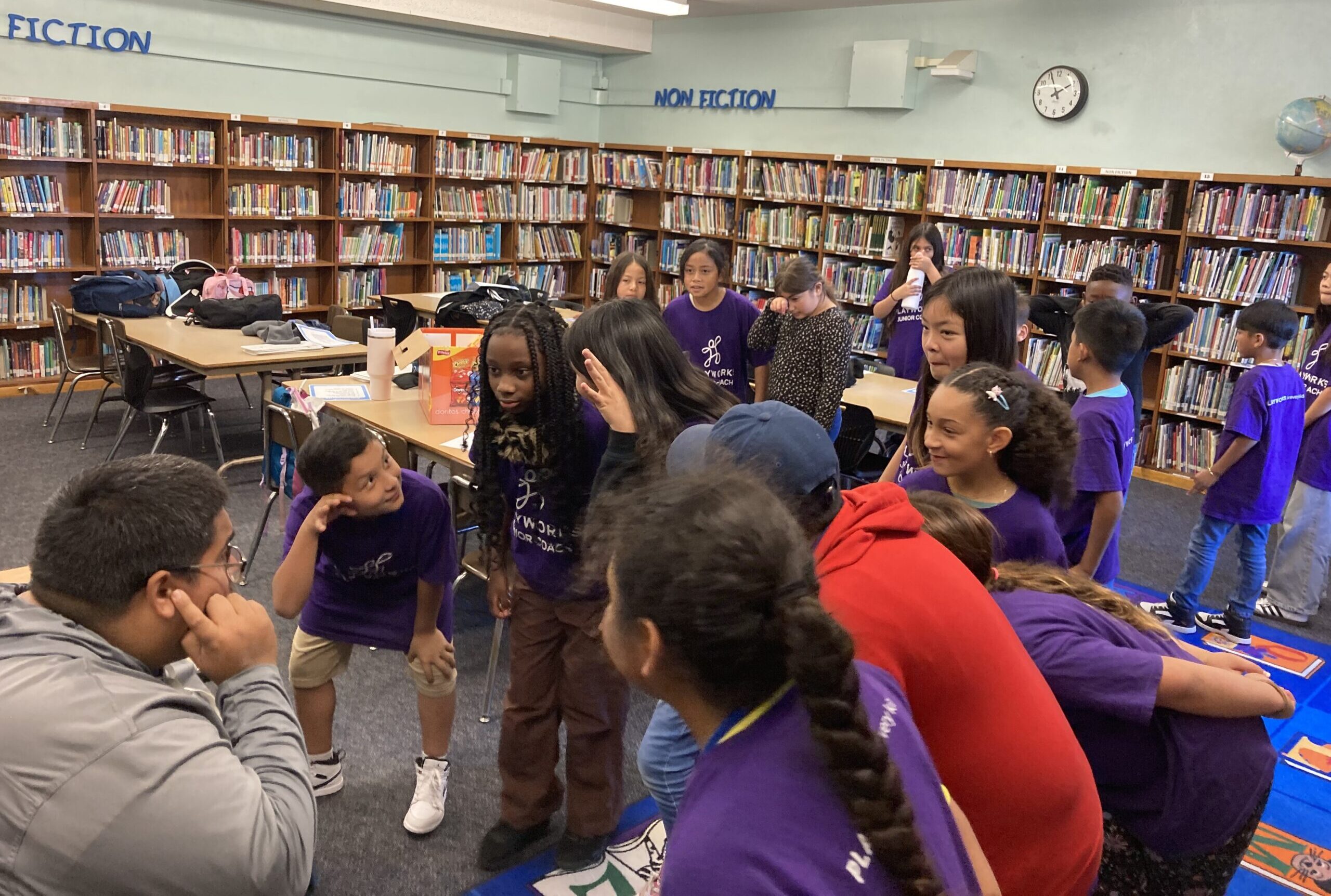
When you’re on site, you see why a drop in conflicts happened, maybe recess zones were restructured. You see how engagement increases when Junior Coaches take ownership of transitions. You hear teachers talk about reclaimed instructional minutes because students return to class calmer and ready to learn.
In our partner schools, teachers report up to a 34% reduction in transition time. That’s instructional time reclaimed.
School climate improvement becomes visible. You can feel the tone of the playground. Students use more positive language. Adults reinforce shared expectations.
The data gives you direction. The visit confirms whether it’s sustained.
3. You Start Asking Better Questions
Instead of asking, “Is this working?”
You start asking, “Where are we stuck?”
“What needs reinforcement?”
“What needs coaching?”
That’s the shift nonprofit site visits create.
I’ve seen leaders walk in focused on evaluation metrics and leave talking about staff alignment, sustainability, and student leadership pipelines. A site visit doesn’t just confirm impact, it sharpens judgment and clarifies where to invest next.
Strategy without proximity eventually drifts.
Why Nonprofit Site Visits Matter Beyond Playworks
 This isn’t just about our organization.
Nonprofit site visits aren’t optional – they’re essential. If you’re leading an organization, proximity isn’t a luxury. It’s a responsibility.
You can’t lead exclusively from dashboards. You can’t steward partnerships without understanding the environment your team navigates daily. Presence builds credibility, trust, and better decision-making because you’re no longer relying on secondhand information.
For donors, nonprofit site visits make impact tangible. You don’t just read about school climate improvement – you see it. Students are active. Language shifts. Transitions tighten. The work moves from abstract to observable.
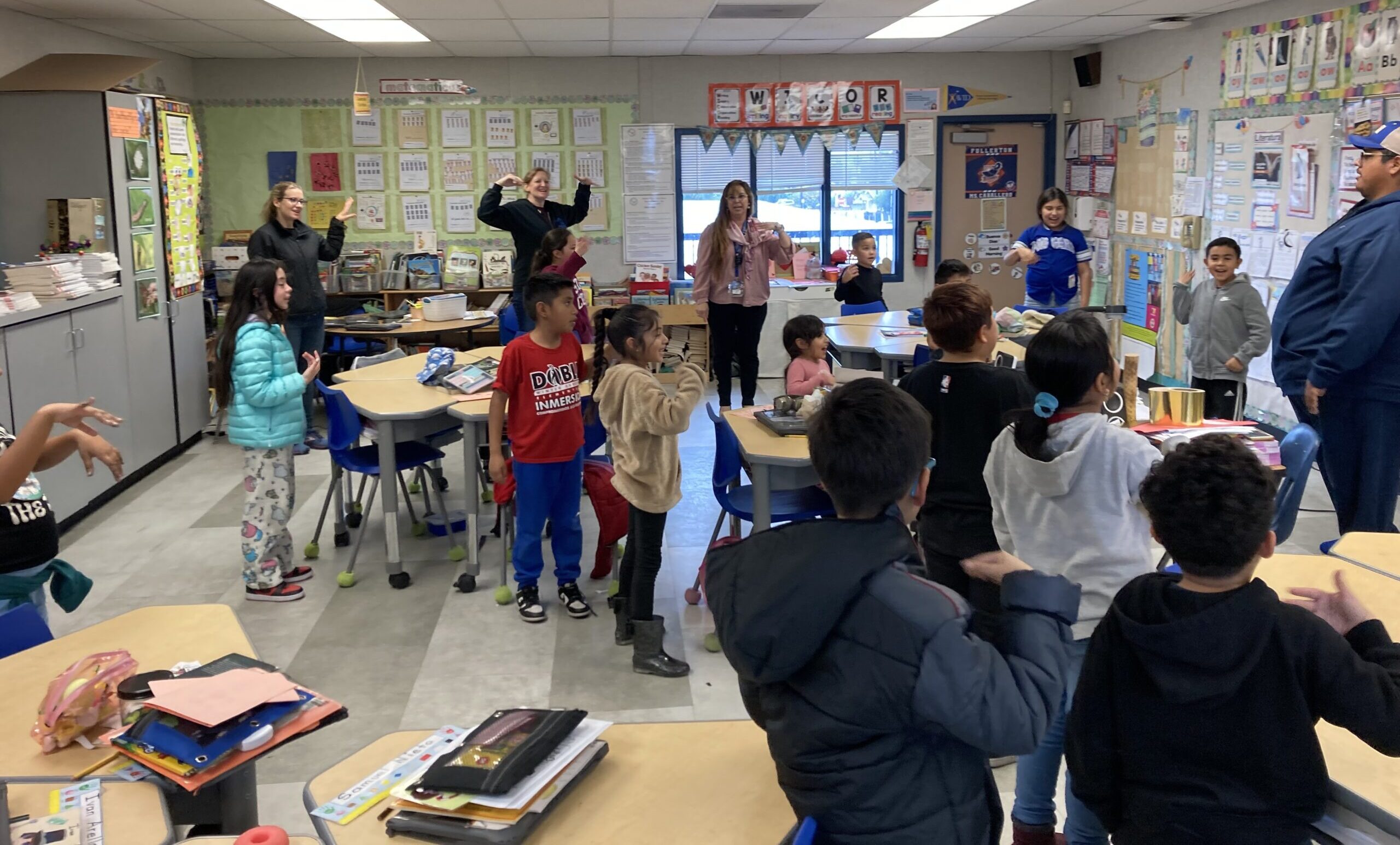
For school leaders, visits reinforce alignment. You see whether a shared language like “ro-sham-bo” is embedded or performative. You see whether structured play is consistent or dependent on one adult. Alignment becomes visible.
For community partners, it becomes clear that recess isn’t “extra.” It’s infrastructure. It supports student leadership, behavior, and readiness to learn.
When you step into the field, assumptions get tested. Friction surfaces. Strengths become obvious. And decisions get sharper.
The Responsibility of Being Invited In
It’s important to name this: being welcomed onto a campus is an honor.
School leaders trust us with their students, their staff, and their culture. That level of access carries responsibility. It requires care.
A site visit isn’t about showing up to inspect. It’s about showing up to understand — to listen, to observe, and to support.
When we invite donors or partners into a school, that responsibility doubles. We’re not just representing Playworks. We’re representing the school community that opened its doors to us.
Every visit should strengthen trust, not strain it.
And every time I leave a campus, I’ve learned something too, an adjustment we can make, a leader we can elevate, a relationship we can deepen.
Nonprofit site visits are reciprocal. The school learns about us. We learn how to better serve them.
Experience It for Yourself
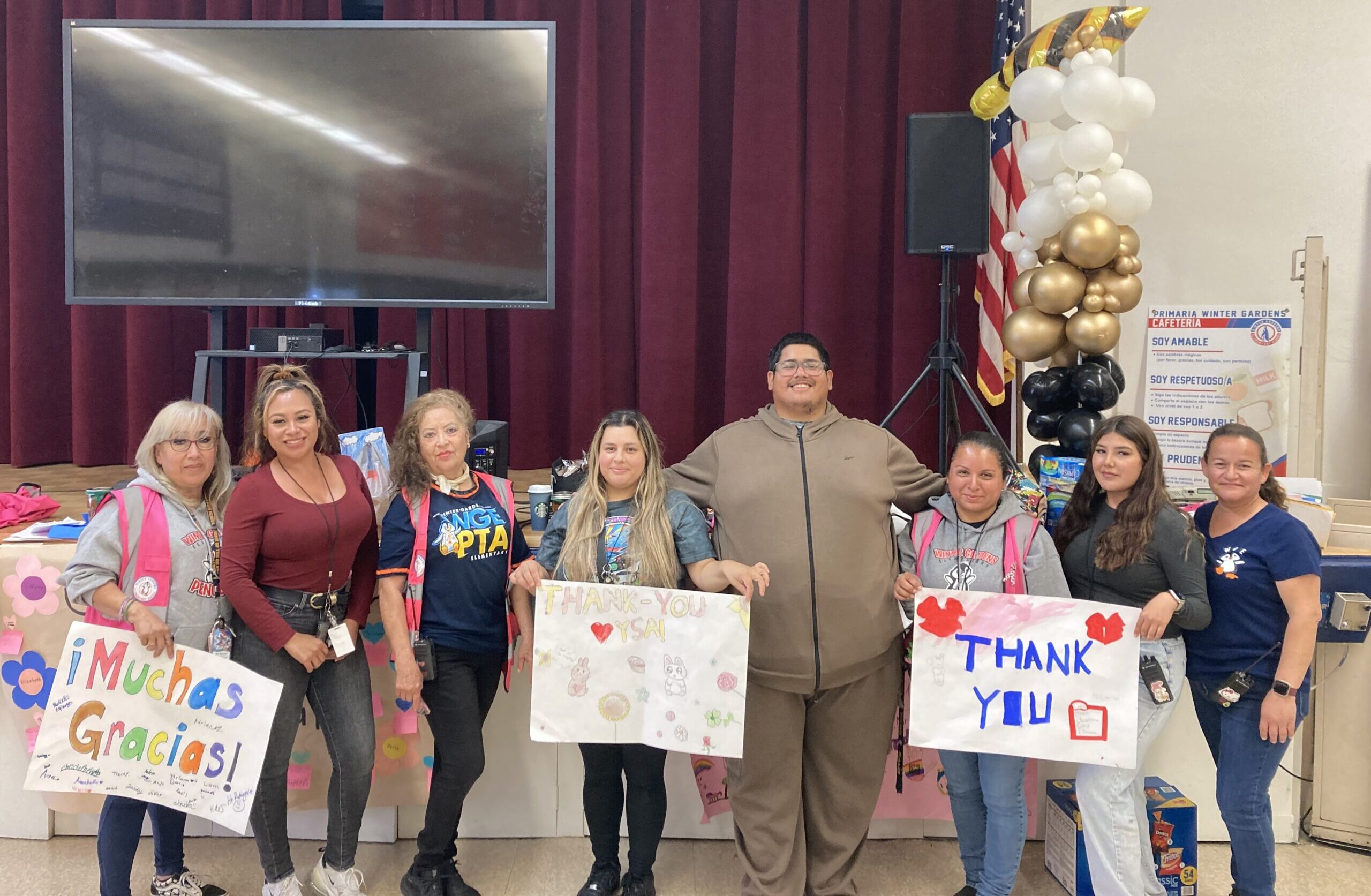 If you haven’t participated in a nonprofit site visit recently, consider this your invitation.
Come see the work up close.
Talk with school leaders.
Watch students lead.
See how school climate improvement looks when it’s embedded, aligned, and owned by students.
Because data informs.
Presence reveals.
And when you combine both, you make better decisions for the communities you serve.
The clarity you gain can’t be downloaded. It has to be experienced.
To schedule a site visit with Playworks Southern California, contact luciano.mondolo@playworks.org.