Spotting joy on the playground is not always obvious at first glance. Sometimes it shows up in small, meaningful moments, the kind that assure you kids feel safe, connected, and free to be themselves.
Whether you’re an educator, site leader, or after-school staff member, these lesser-known signs can help you spot joy and intentionally design for more of it.
Below are six ways joy might look, sound, or feel during playtime at your school or program, plus simple tips to help each one show up more often.
 1. Kids Are Changing the Rules (and Everyone’s Okay With It)
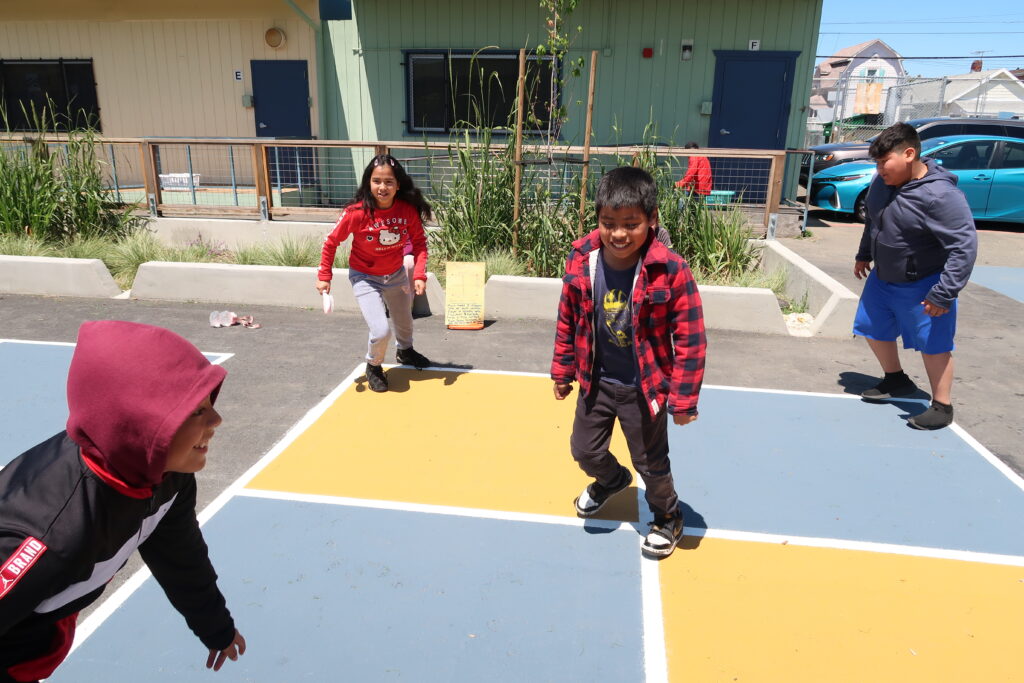
You notice a group of kids adding new and creative rules to a common playground game.
It could sound something like: “What if the floor is lava except for the blue squares on the carpet?” or “What if you have to jump before passing the foursquare ball?”
Together, the kids are using imagination and an openness to new ideas to develop a new version of the game that is completely their own.
Why it’s a sign of joy: When kids feel ownership over play, they’re more engaged and more invested. Creating variations of a game shows creativity, collaboration, and trust.
Try this: Offer open-ended games with flexible rules. Start with a simple structure, then encourage kids to add twists or variations that they all agree on.
2. Laughter Breaks Out After Someone Messes Up
Playtime is filled with missed catches, silly tumbles, and sometimes wildly off-target throws. But instead of teasing, you hear laughter, including from the kid who made the mistake.
Why it’s a sign of joy: This kind of laughter signals a sense of safety and a willingness to learn. Kids feel free to try, fail, and be imperfect without fear of embarrassment.
Try this: Model positive reactions to mistakes. Laugh with kids, not at them, make your own mistakes (maybe even intentionally) and normalize trying again. Choose games where mistakes are frequent and low-stakes so kids learn that missteps are part of the fun.
3. Kids Are Playing Across Age Groups or Social Circles
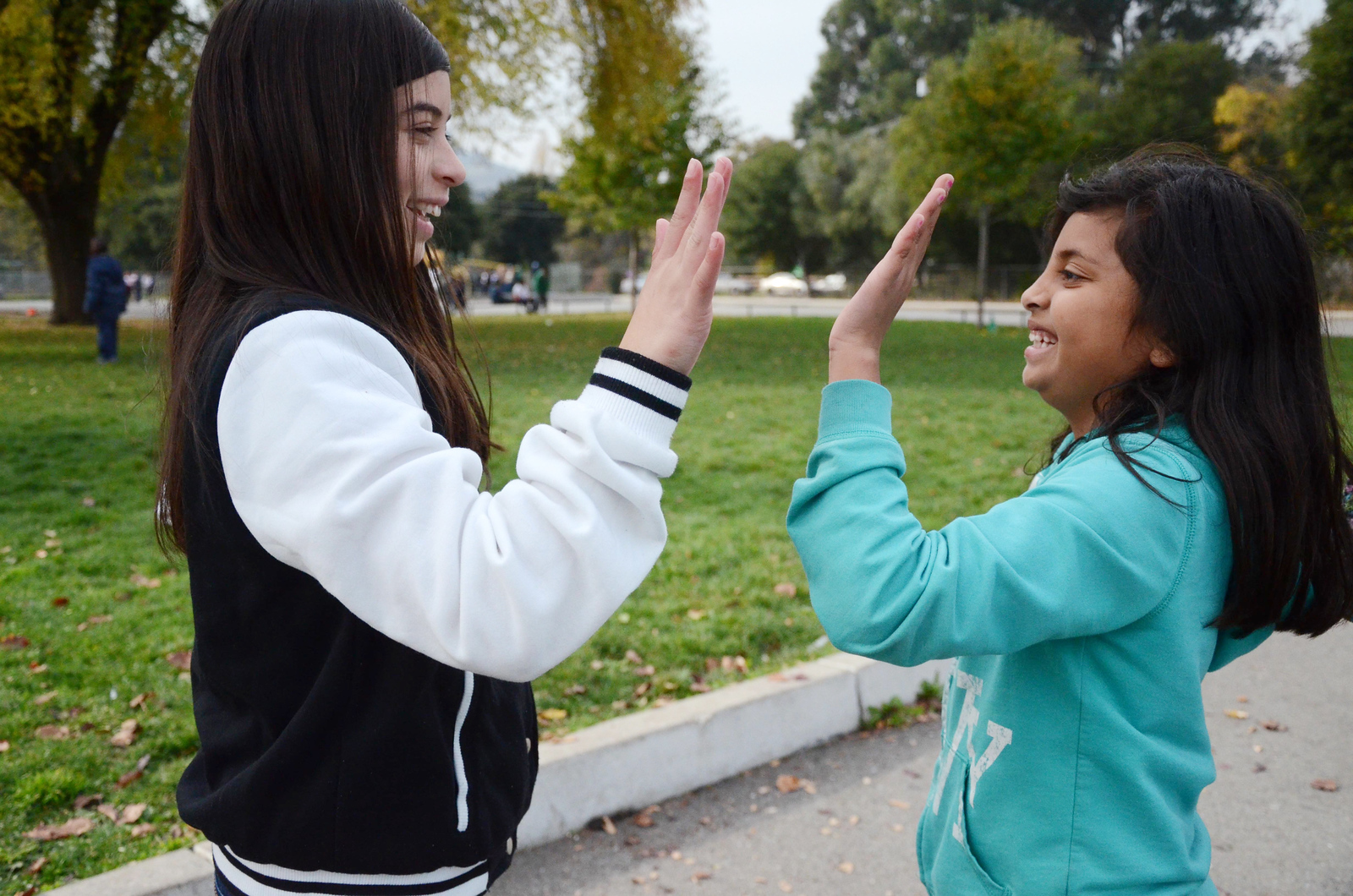
You spot older kids slowing down to include younger ones or kids who don’t usually interact teaming up and trying a new game.
Why it’s a sign of joy: Joyful play breaks down barriers. When kids feel welcomed and valued, they’re more likely to reach beyond familiar groups.
Try this: Introduce cooperative games in which success depends on everyone participating. Assign mixed-age teams or rotating partners so connections form naturally.
4. There’s a Low, Steady Buzz – Not Chaos
Joy isn’t always loud or exaggerated. Sometimes it sounds like a hum of conversation, negotiation, cheering, and focused play happening all at once.
Why it’s a sign of joy: This “productive noise” means kids are engaged, communicating, and immersed. It’s a sign of having fun rather than being overwhelmed or engaged in conflict.
Try this: Create clear play zones and expectations so multiple games can happen simultaneously. When kids know where and how to play, energy stays joyful instead of frantic. For more tips on creating clear play zones, check out our Playground Mapping 101 webinar.
 5. Kids Are Inviting Others In Without Being Prompted
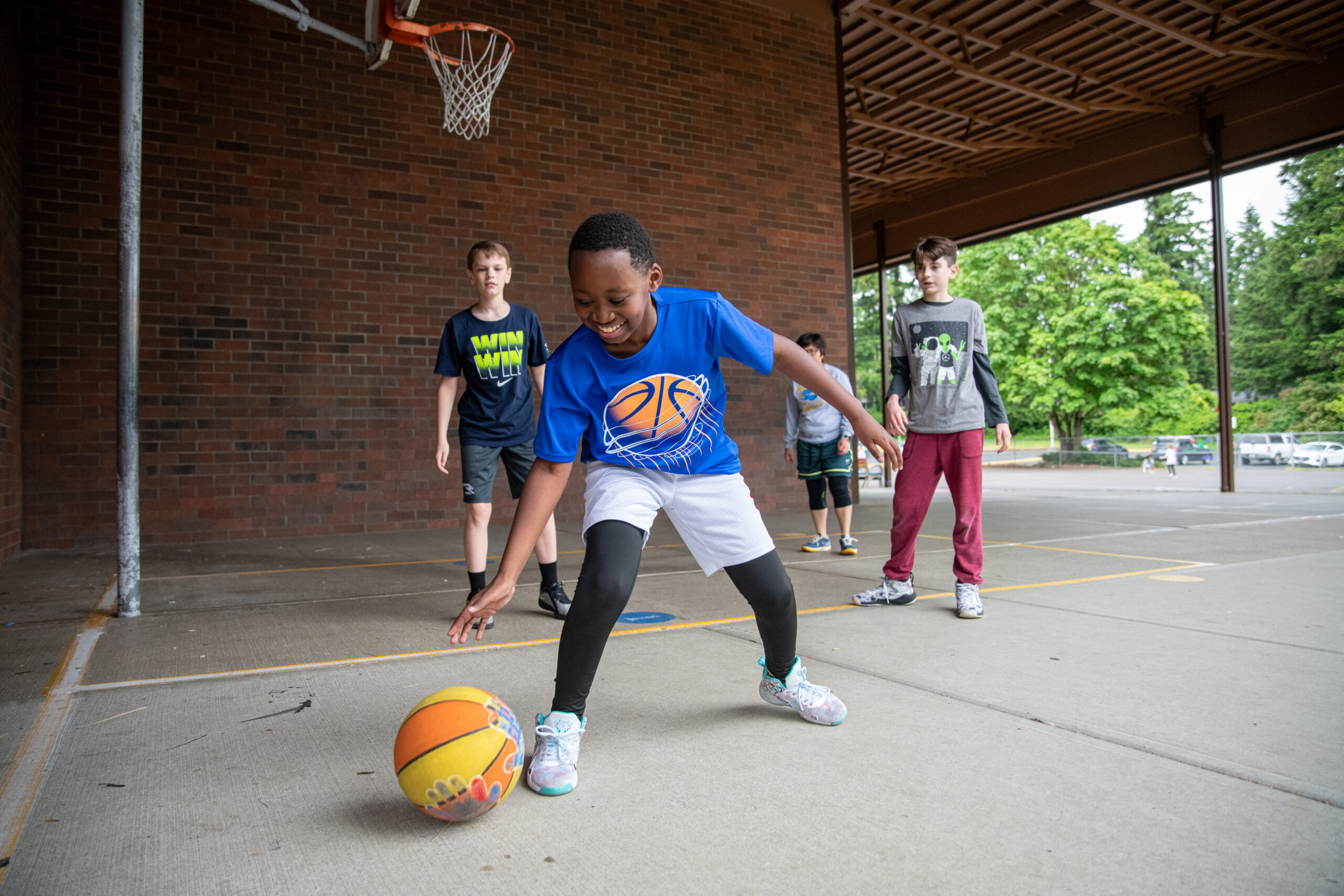
You overhear, “Do you want to play with us?” or see a kid wave someone over who’s standing on the sidelines.
Why it’s a sign of joy: Inviting behavior shows kids feel secure enough to notice others and take social risks. It’s a great example of empathy in action.
Try this: Teach and practice simple inviting language during games ( ex. “Anyone can join,” “We have space for one more”). Empower student leaders to run games and encourage peer participation. Recognize and celebrate these moments out loud when you see them.
6. Kids Leave Play Smiling, Even If They Didn’t ‘Win’
The bell rings or playtime ends, and kids line up excited for their next class or activity, chatting about the games they played, regardless of the score.
Why it’s a sign of joy: When play is truly joyful, the experience matters more than the outcome. Kids leave ready for their next challenge, feeling successful because they were able to get active and connect with others.
Try this: Check in with students after playtime by asking quick reflection questions like, “What did you enjoy most about that game?” or “What would you try differently next time?” It shifts the focus from winning to simply enjoying the experience of play.
Choose Joy
A joyful playground does not just happen by chance. It’s the result of intentional choices, supportive adults, and environments that invite creativity, connection, and play for every kid.
When you start noticing these subtle signs of joy, you can build on them and help turn everyday playtime into a powerful space for growth and fun.