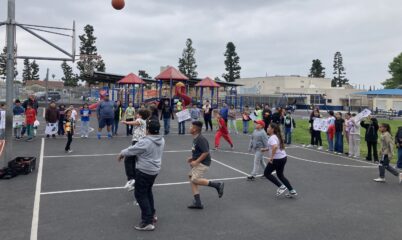
As school communities have begun their second half of the year, educators, students, and families alike face a familiar challenge: returning to routine. Recess, although often seen as a simple break in the school day, plays a significant role in helping students transition back into structured learning. When that time is disrupted, children may return to school sluggish, unfocused, or uncertain of expectations. At Playworks Southern California, we understand that recess is not merely a pause between classes, it is a critical moment to restore energy, reconnect socially, and prepare students for academic success.
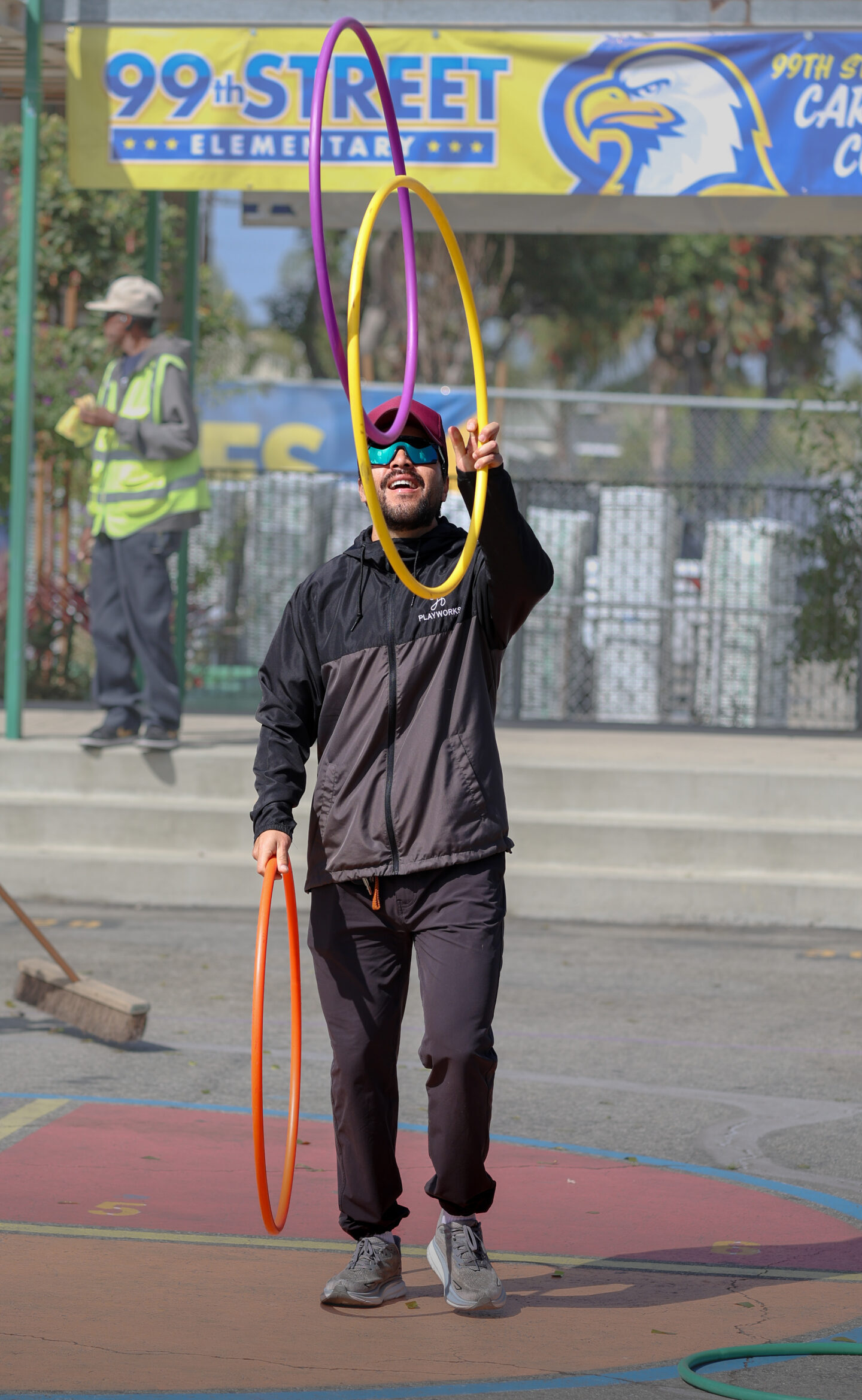 Winter break offers a necessary reset. It gives students and staff a chance to rest and reflect. Yet it also interrupts the rhythm of the school day, including recess routines that reinforce behavior expectations and social norms. That pause can mean that when students first return, they are unsure of how to navigate peer interactions, manage game rules, or engage in cooperative play. The result can be more conflicts on the playground, longer transitions back into class, and lower engagement in learning.
Playworks partners with schools to help turn that disruption into an opportunity. Through organized play systems, trained coaches, and tailored coaching for school staff, Playworks helps schools reestablish routines, reset expectations, and strengthen positive play culture after the break. The return to school becomes more than a restart. It becomes a renewed commitment to safe, healthy, and purposeful play.
How Facilitated Play Supports Smoother Transitions Back to School
Evidence shows that physical activity has meaningful benefits for children’s focus, behavior, and readiness to learn. School leaders who view recess as an essential component of learning recognize that play is a bridge between rest and academic engagement.
Playworks’ approach to recess is a time for supported play framework that provides that bridge. A trained Playworks Coach or trained school staff model games, facilitate positive interactions, and help students navigate social dynamics with clarity and confidence. When recess is organized thoughtfully, students return to class calmer, more regulated, and better able to focus on academic tasks. In fact, schools with Playworks report spending significantly less time transitioning from recess back to learning activities—up to 34 percent fewer minutes—freeing up valuable instructional time.
Facilitated play does more than fill time with games. It helps students practice self‑control, take turns, follow group norms, and solve conflicts. These are all skills that directly support classroom readiness. Research shows high‑quality recess contributes to cognitive and social‑behavioral benefits, including emotional self‑control and resilience. Children who practice these skills on the playground often bring them into the classroom setting, making the return after a long break smoother and more productive.
When students know what to expect and how to engage during play, they spend less time relearning norms and more time connecting with peers and preparing for academic challenges. Our Playworks practices help students be more active during recess, which helps yield these positive outcomes. In essence, facilitated play after a break helps restore a sense of school community and shared purpose.
How Playworks Recess Strategies Help After a Break
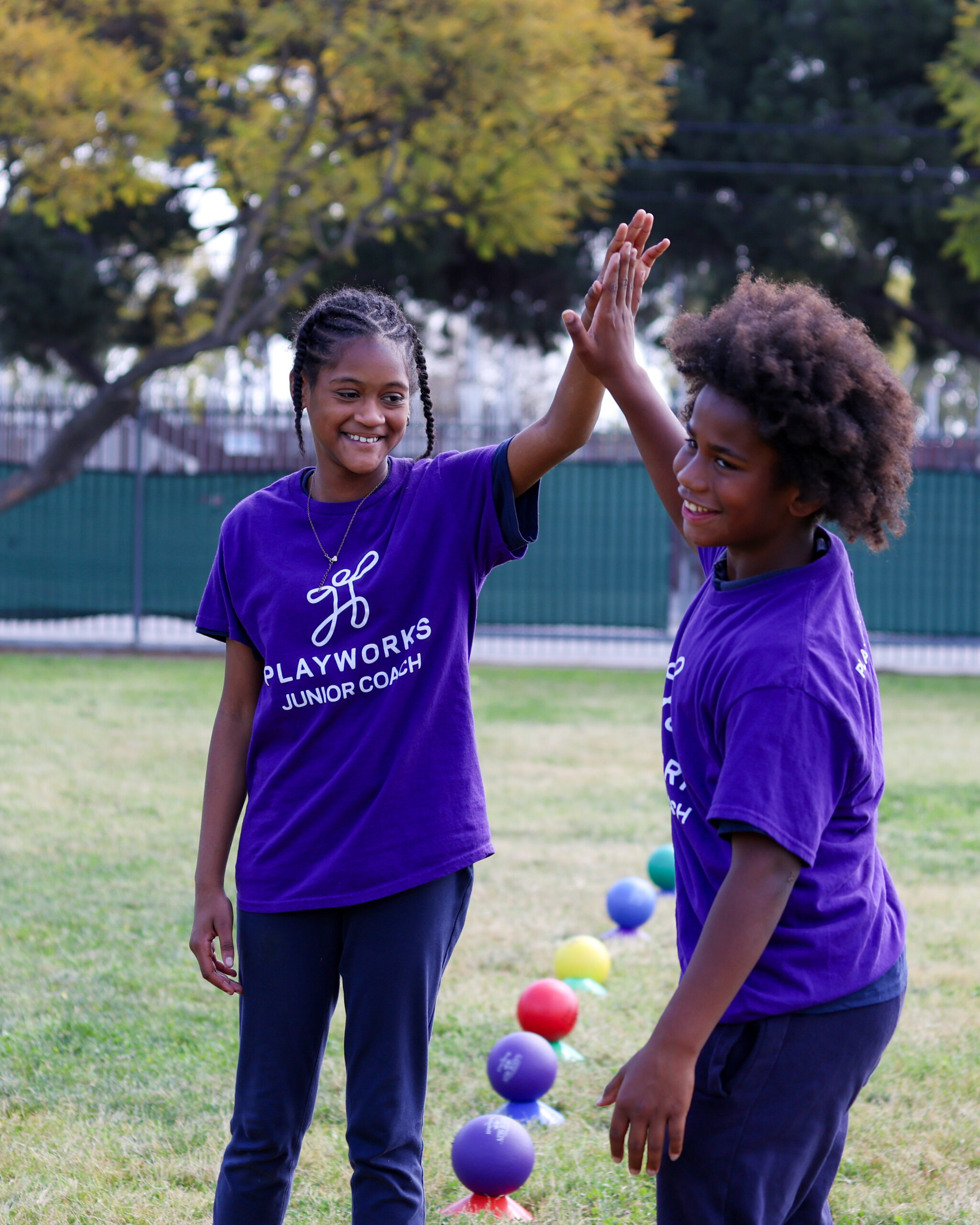 After any school break, whether it’s winter break to spring break or a long holiday weekend, recess is a tool in reestablishing and restoring routines. It is also an opportunity to transform recess into a classroom for leadership, problem solving, emotional regulation, and team building.
Playworks Coaches work directly with schools to assess recess systems, engage with staff, and support implementation of evidence‑based play strategies. Because a school break can create gaps in social expectations, coaches often begin by reinforcing game rules and revisiting classic Playworks activities that help students reconnect and rebuild confidence.
Teachers and staff also benefit from this period of reinforcement. Playworks training equips adult supervisors with tools for proactive group management and conflict resolution, enabling more positive interactions and fewer disruptions. By mid‑year, coaches help teams build on what has worked and adjust strategies to address emerging needs. This might include introducing new games that appeal to a range of age groups, supporting students who are taking on leadership roles, or creating systems for student‑led play with our Junior Coach Leadership Program.
For many schools, the return from winter break especially becomes a turning point. Teachers report fewer recess conflicts, smoother transitions into class, and higher student engagement in learning. Transformations are not limited to the playground. Strong play routines build a culture of cooperation that smooths group work in classrooms, strengthens peer relationships, and improves overall school climate. As one educator noted, reclaiming recess as a positive experience frees up instructional time that might otherwise be lost to managing disruptions.
Setting the Tone for the Second Half of the School Year
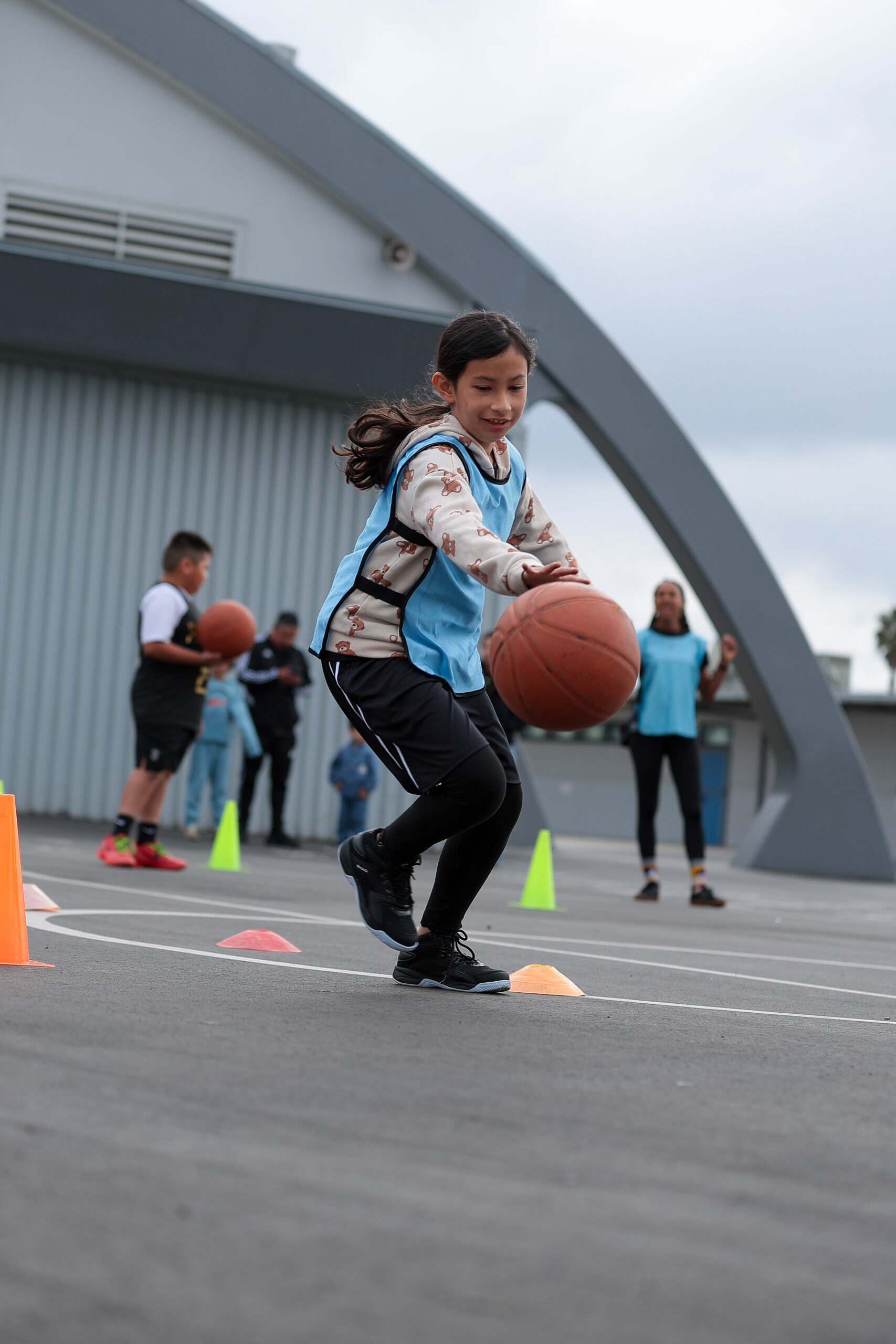 A successful return after winter break sets a tone for the second half of the year that values connection and engagement. Schools can use this time as a reset button to reinforce expectations, build new leadership skills among students, and empower staff to facilitate play effectively.
One key strategy is revisiting expectations collaboratively with students. Just as teachers review class norms in January, playground teams can help students revisit game rules and roles. When students understand the purpose of facilitated play and what successful participation looks like, they are more likely to engage positively and return to class with greater readiness to learn.
Another effective strategy is identifying students who can take on leadership roles during recess. Models like Playworks’ Junior Coach Leadership Program help students take ownership of game facilitation, peer support, and conflict management. These roles give students a sense of responsibility and build adaptive skills that transfer to academic and social settings.
The return to school is also a moment for staff to reflect on visible progress. Mid‑year data from Playworks partner schools often shows improvements in student engagement, recess transitions, and school-wide behavior patterns. Celebrating these successes with students and staff creates momentum and reinforces shared commitment to a respectful, active, and joyful school culture.
For families, a clear message that recess is an essential part of the school day helps create consistency between home and school expectations. When parents see recess as valuable to learning outcomes, they are more likely to support organized play routines and talk with their children about what they practiced during recess.
Transitioning Lessons In and Off the Playground
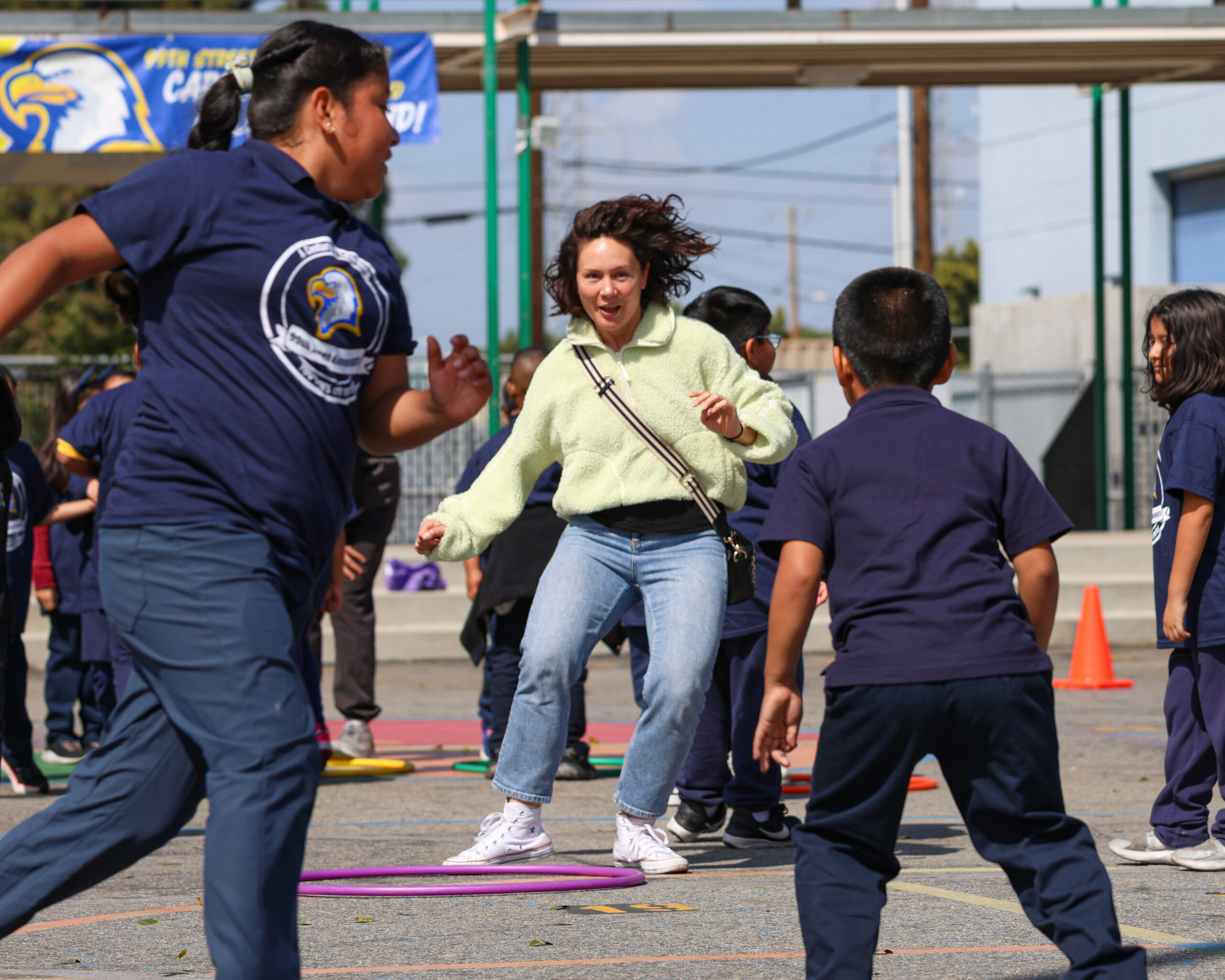 Across schools in Southern California, Playworks helps teams navigate this transition with intention—making recess a positive pivot point that supports readiness for learning, stronger connections among students, and renewed energy for the remainder of the school year.
Facilitated play supports smoother transitions back into the classroom, helps students regulate emotions and release energy, and creates conditions for improved engagement. When supported by evidence‑based coaching and training, recess becomes a place where routines restore confidence and set the tone for growth, community, and success for children and adults alike.
Reimagine recess not as a disruption to routine but as the reset that propels students forward. Is your recess in need of a reset? Explore bringing Playworks to your school