We are wrapping up our back-to-school blog series with some tips to help kick off the year with play!
The first few weeks of school have a huge impact on how the rest of the year will unfold. One of the easiest and most fun ways you can set the tone for success is through play. By weaving games and interactive activities into students’ days early on, you’ll get them moving, building friendships, boosting their confidence, and creating a sense of community that will last all year.
Here are six tips to make your recess, classroom transitions, or group activities run smoothly this fall.
1. Start Simple
The start of a new school year can feel overwhelming for some students. There are new classrooms, new routines, and new faces everywhere. Games can help ease that transition, but it’s best to begin with activities that are easy to grasp and familiar to most kids.
Think tag, foursquare, or other classics that kids usually have prior experience with. Because the rules are simple, students can jump in quickly without feeling lost or left behind. Starting with familiar games also gives your students a solid foundation that you can build on later in the year. Once they feel confident with the basic versions of each game, you can add in more twists and variations to further grow their confidence and keep things fun.
2. Teach Before You Play
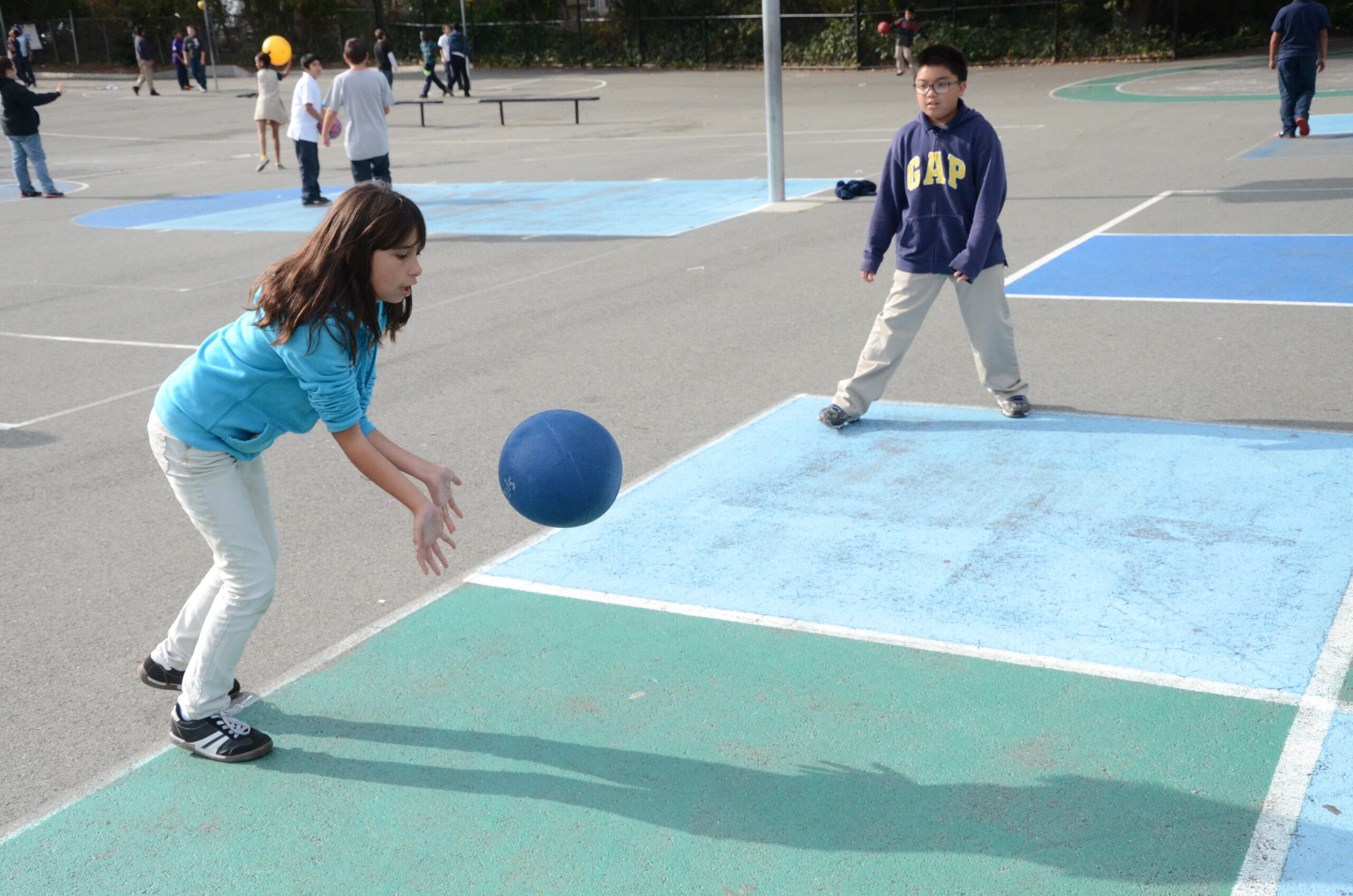
Even the simplest game can go sideways if students do not have a shared understanding of a game’s rules, boundaries, and expectations. Taking a few minutes to explain, model, and answer questions helps set everyone up for success.
While it may be tempting to shout “Go!” and let the fun begin, a quick explanation prevents confusion and saves you and your voice from having to corral a group of upset students debating over which line is “out of bounds.”
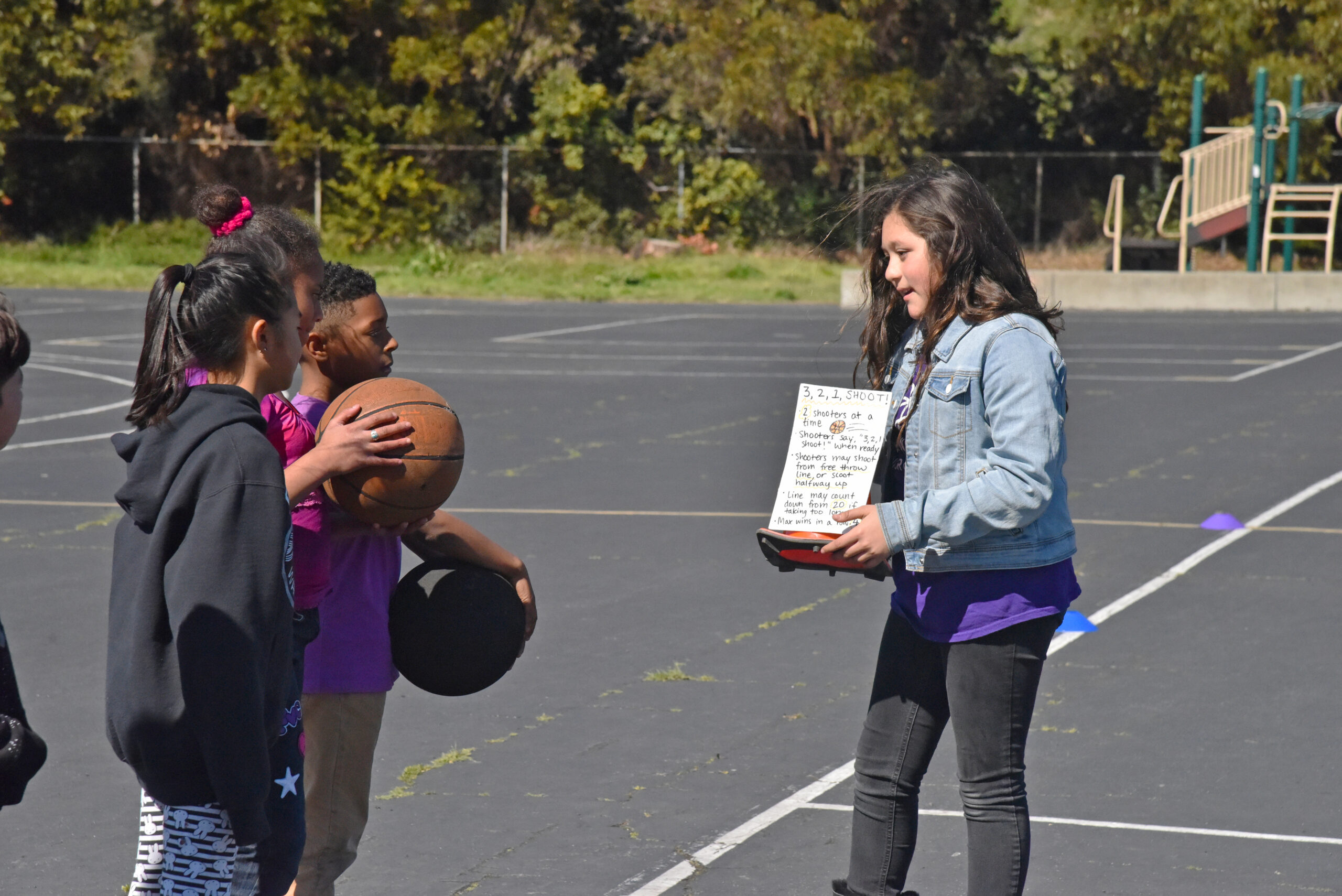
Pro tip: Invite a student or small group to serve as leaders and help demonstrate. Kids love teaching their peers, and it’s a great way to spark leadership and teamwork from the start.
3. Celebrate Every Effort
Not every student will be the fastest runner or the most coordinated jump roper, and that’s okay. Play is about effort and joy, not just skill.
Encourage the kid who volunteers to go first, the one who tries again after missing, and the group that cheers on their teammates. Specific praise makes a big difference: “Great throw, friend!” or “I love how you hustled back into the line!” helps kids feel seen and supported.
When effort is celebrated, kids gain the confidence to take risks, try new games, and keep showing up. It also helps to build a culture where students cheer each other on, too.
4. Use Positive Language
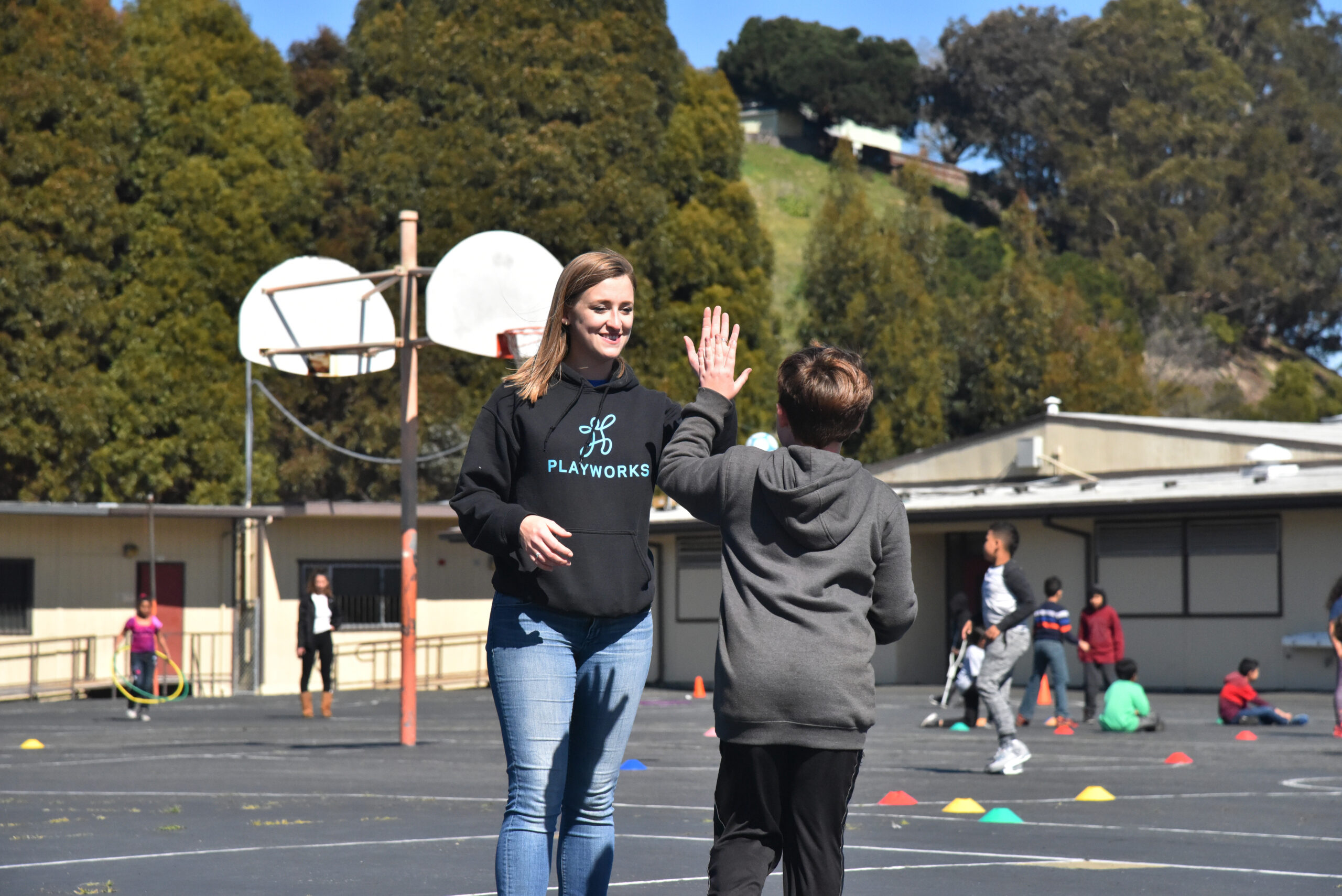
The words you choose shape the play environment. Phrases like “Let’s try again!” or “Nice teamwork!” shape how kids feel about themselves and the game. Positive language shifts the focus from mistakes to opportunities, helping kids bounce back instead of shutting down.
This doesn’t mean ignoring when rules are broken, but it does mean correcting with kindness. “Remember, tag with a light touch” lands much better than “Don’t do that” or “You’re doing it wrong.” A supportive tone helps create a space where kids are excited to participate and comfortable learning from mistakes.
5. Play Every Day
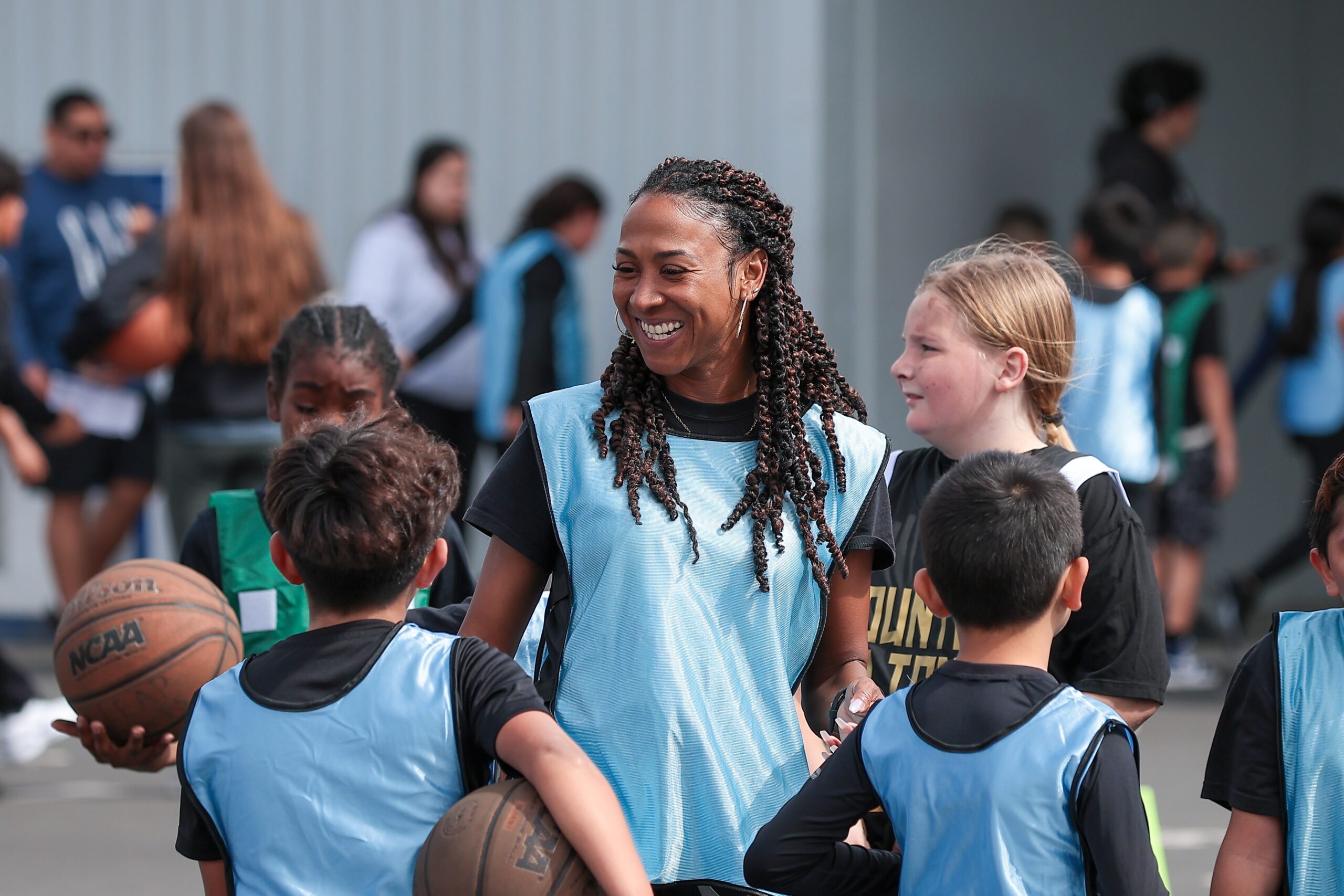
Play isn’t just for recess! It can be a quick energizer between lessons, a morning warm-up, or an end-of-day reset.
The more consistent play becomes, the more students see it as a normal part of their routine. Daily opportunities for games build stronger communities, reduce stress, and give kids (and adults!) something to look forward to.
Even five minutes of play can shift the energy in the room. And let’s be honest, sometimes teachers need that brain break just as much as their students do.
6. Embrace the Small Moments
Positivity doesn’t just happen during the game, it’s also built in the little moments of connection. Create rituals that kids can look forward to and share with one another.
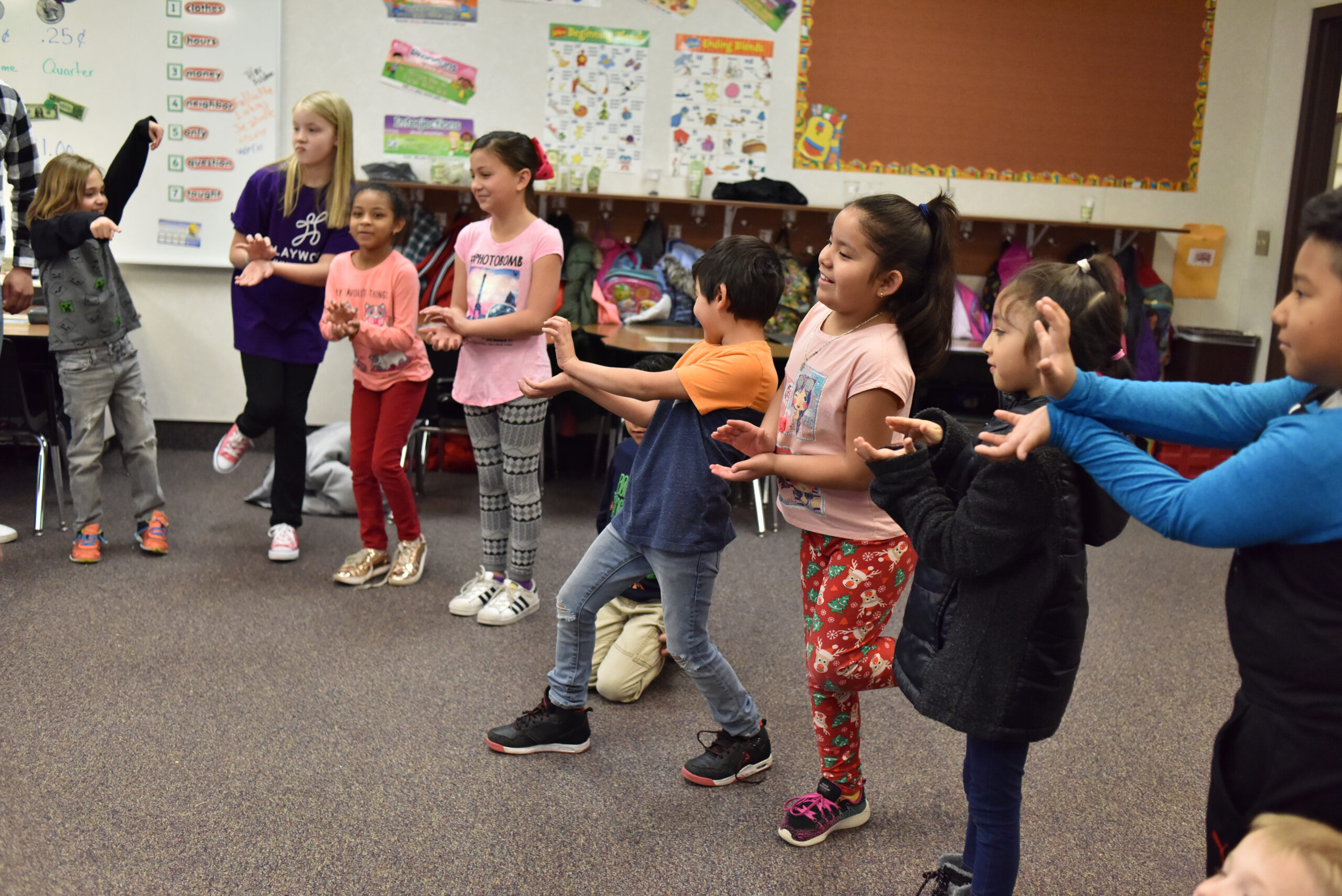
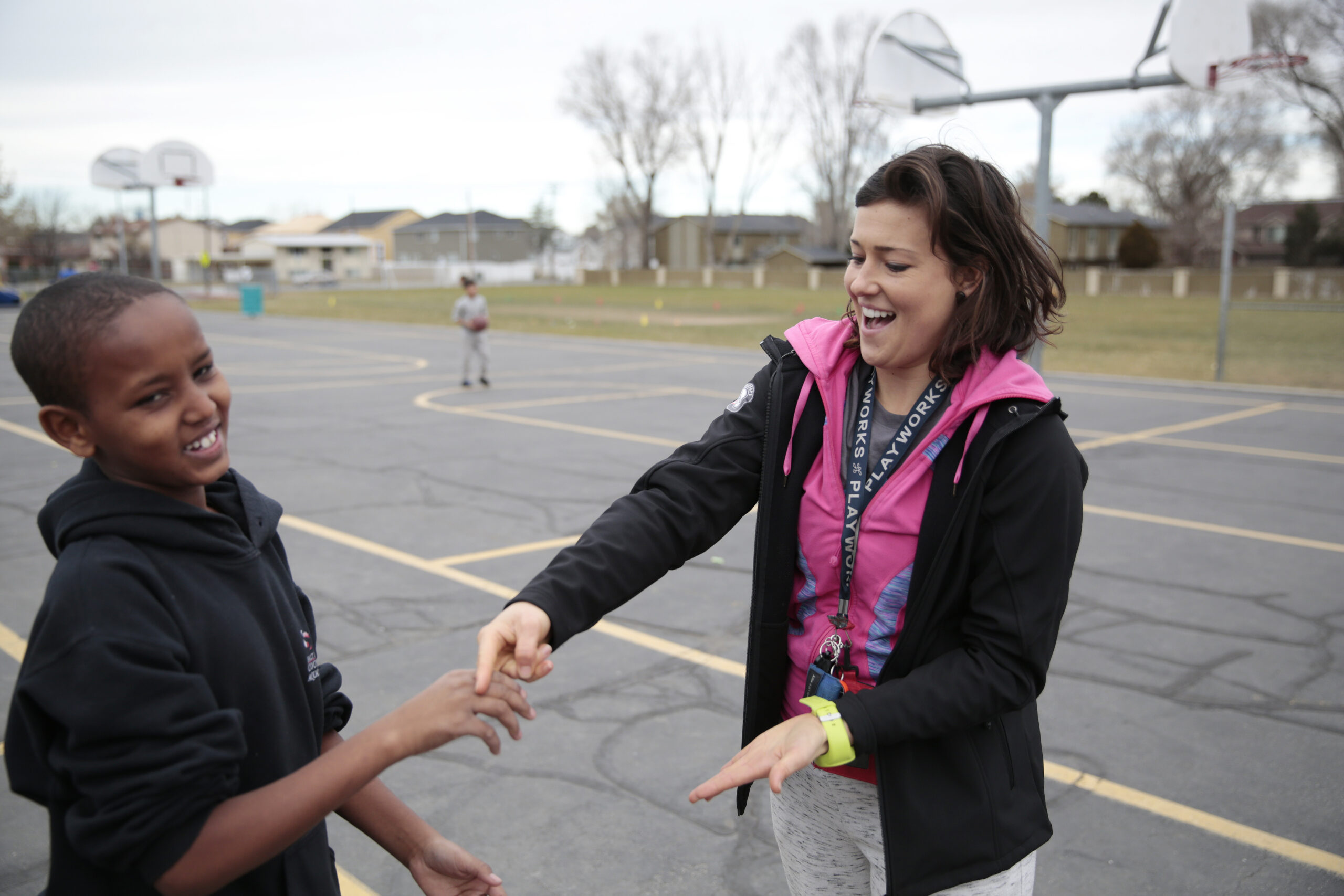
Whether it’s a silly fist bump (explosion, jellyfish, or one you invent together), a unique high five or handshake, or a fun group clap like the roller coaster or fireworks, these traditions become more than recognition. They create a shared sense of community.
Students will start using them with each other, teaching them to new classmates, siblings, and even their families. That’s how positivity spreads—through playful rituals that create lasting memories and remind kids they’re part of something bigger.
Putting It Into Action
The start of the school year is the perfect time to set the tone with play. From simple games to silly fist bumps, each choice you make creates opportunities for kids to feel connected, active, and celebrated. When students experience that joy early, it carries through the year, on the playground, in the classroom, and beyond.
So this school year, start simple, celebrate often, and don’t be afraid to add a little fun!