Every four years, the world gathers to watch the best soccer teams compete on the biggest stage. But behind the goals, highlights, and trophies is a foundation built on years of preparation, shared trust, and a commitment to something bigger than any individual. That foundation, team culture, is what fuels the everyday champions Playworks sees out at recess and in afterschool programs throughout New York and New Jersey.
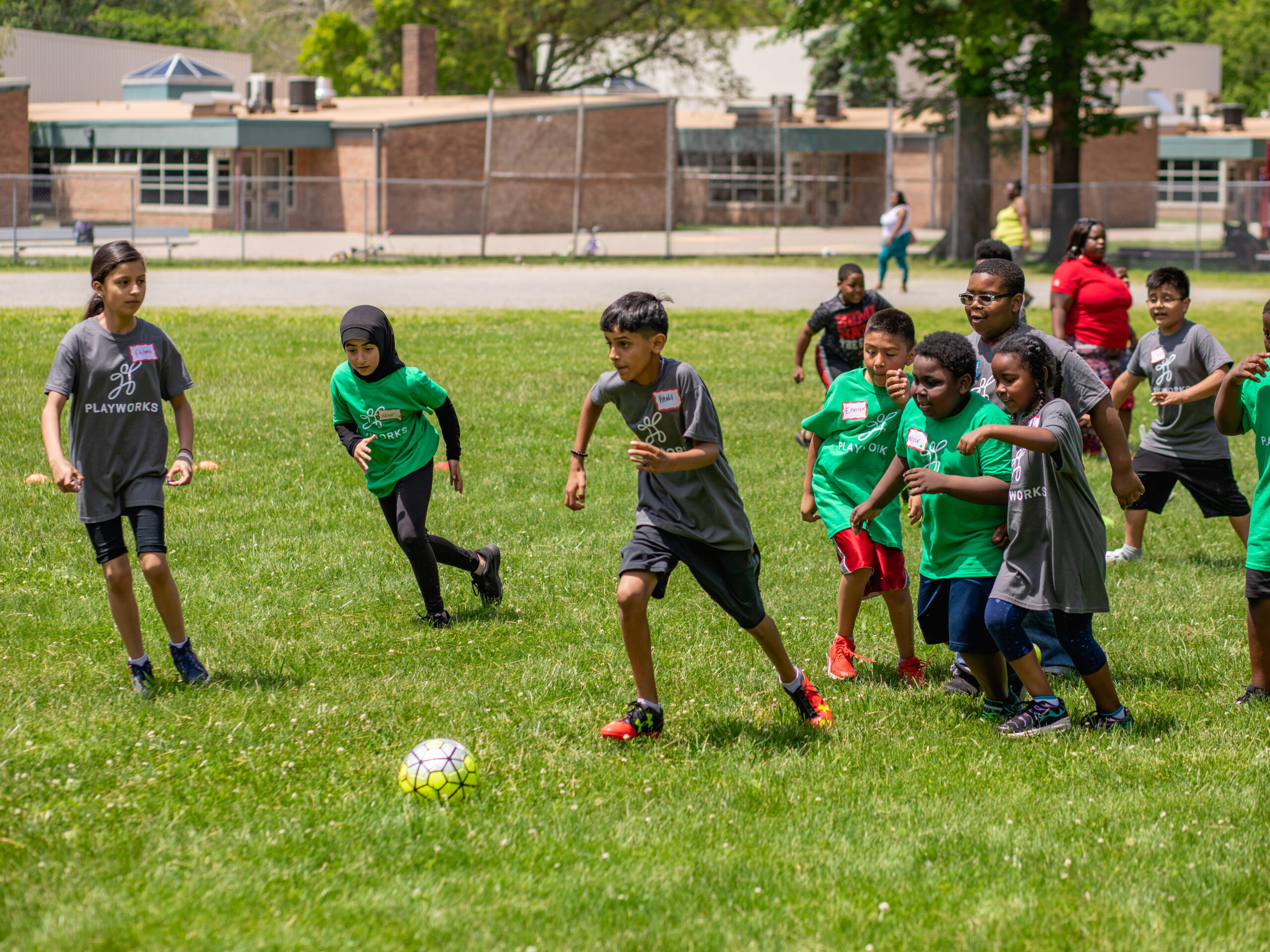
While athletic teams chase titles, Playworks focuses on a different kind of win. One measured not in points or standings, but in how young people feel when they step onto the playground. When students feel supported, valued, and seen, they are more likely to lead, include others, and develop the habits that make strong teams thrive.
Across New York and New Jersey, that same foundation is being built every day in the school building and beyond. At Playworks, leadership development starts early. It takes shape when a student organizes a game, helps resolve a disagreement, or encourages a classmate to try again. Our focus is not on competition or results. It is on building confidence, responsibility, and teamwork through consistent practice. When students feel supported and capable, they begin to lead. And when they lead, schools grow stronger. This is the kind of win that lasts long after a game, recess, or practice ends.
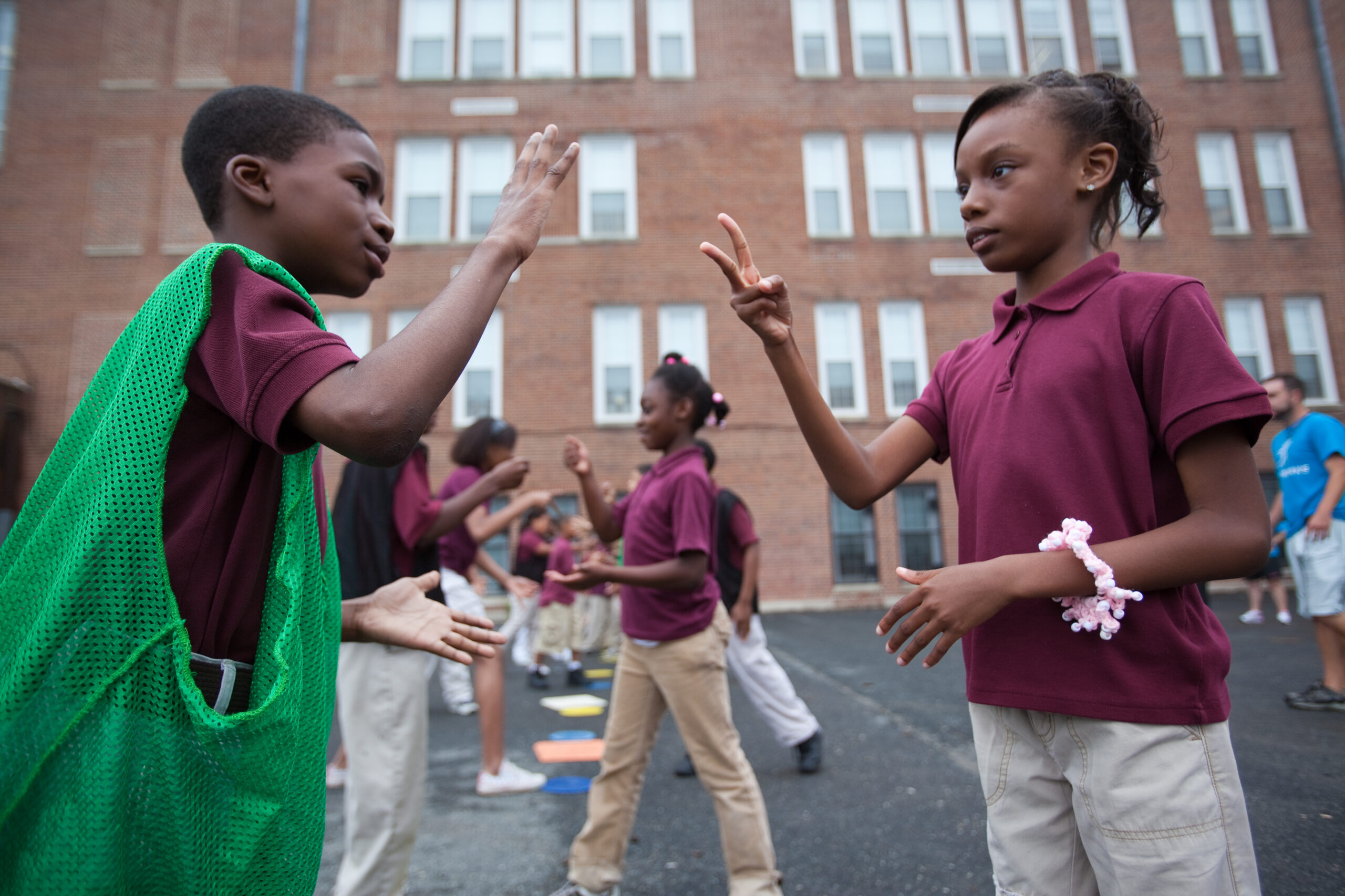
Building Confidence Through Team Culture
Long before players compete, they learn and practice the basics. That’s also how school teams function best. A consistent recess routine with shared roles gives every child the chance to learn and lead.
One of the most effective ways to build this sense of team is to create predictable outcomes—where all students know they have a place. When schools have a clear routine, leadership roles for students, and adults who model support and fairness, it transforms the tone of the playground. It becomes a space where learning happens informally and joyfully.
According to sports psychologists, team cohesion is more critical to long-term success than natural ability. These have shown that the best teams are those that communicate well, trust each other’s decisions, and recover quickly when things don’t go as planned. These aren’t skills reserved for elite athletes. They’re developed every day in elementary schools, starting with simple games like four square, tag, and soccer.
“A study of Playworks’ impact found that conflict on the playground decreased by an average of 58% at Playworks schools from the beginning to the end of the school year, and Playworks schools saw three times less observed conflict than non-Playworks schools.”
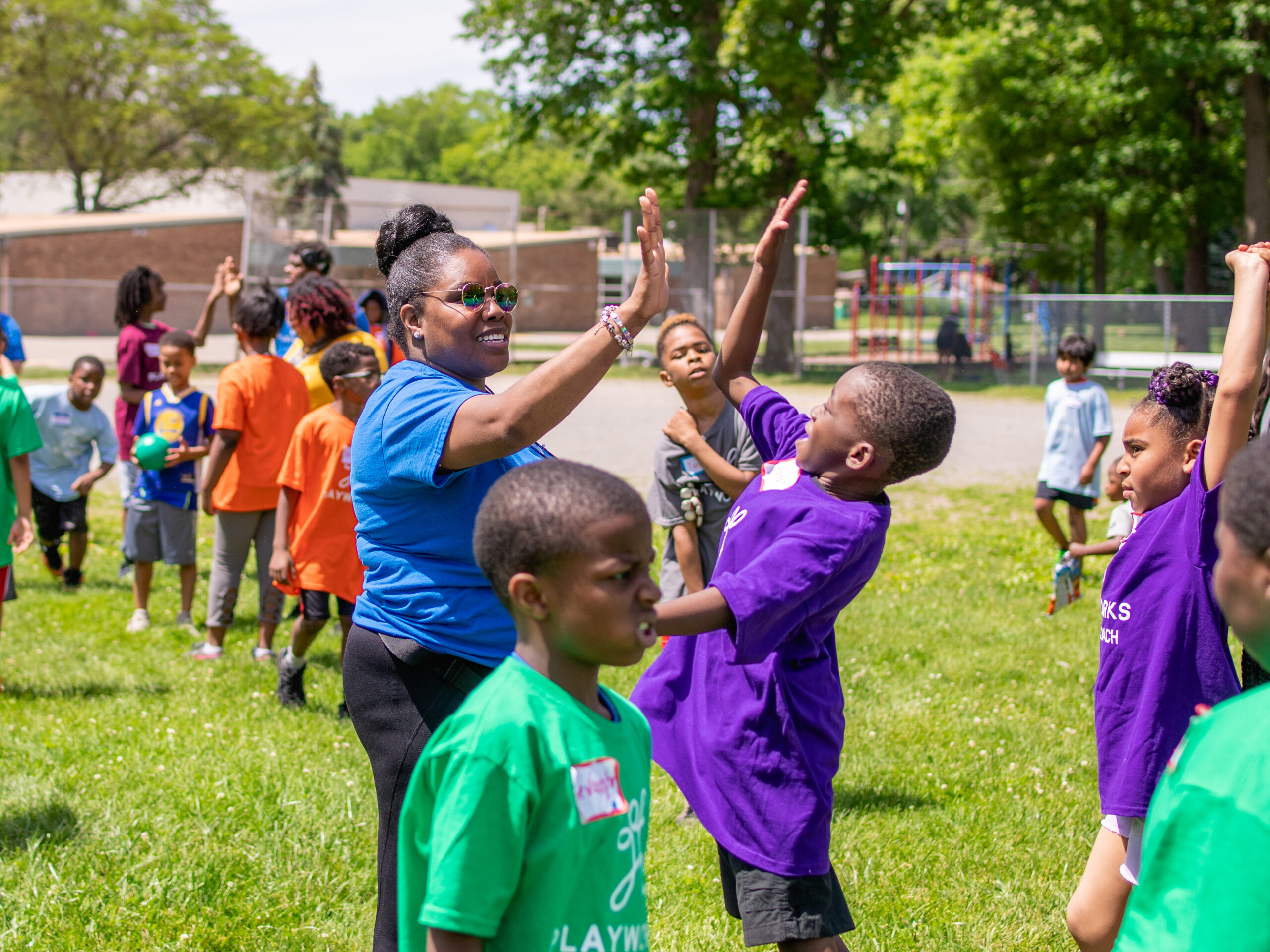
Recess Teams: Practice, Not Performance
We often think of leadership as something you earn after proving yourself. But what if leadership is something you grow into because someone gave you a chance?
That’s the philosophy behind how Playworks approaches play. Recess isn’t a performance. It’s practice. It’s where students learn to take turns, ask to join, give encouragement, and show empathy when things get tough. These aren’t soft skills. They’re life skills.
Whether it’s passing the ball in a playground game or checking in on a classmate who feels left out, kids learn through doing. They watch adults who model patience. They see peers who step up. They get a chance to lead when they feel ready—and sometimes before they think they are.
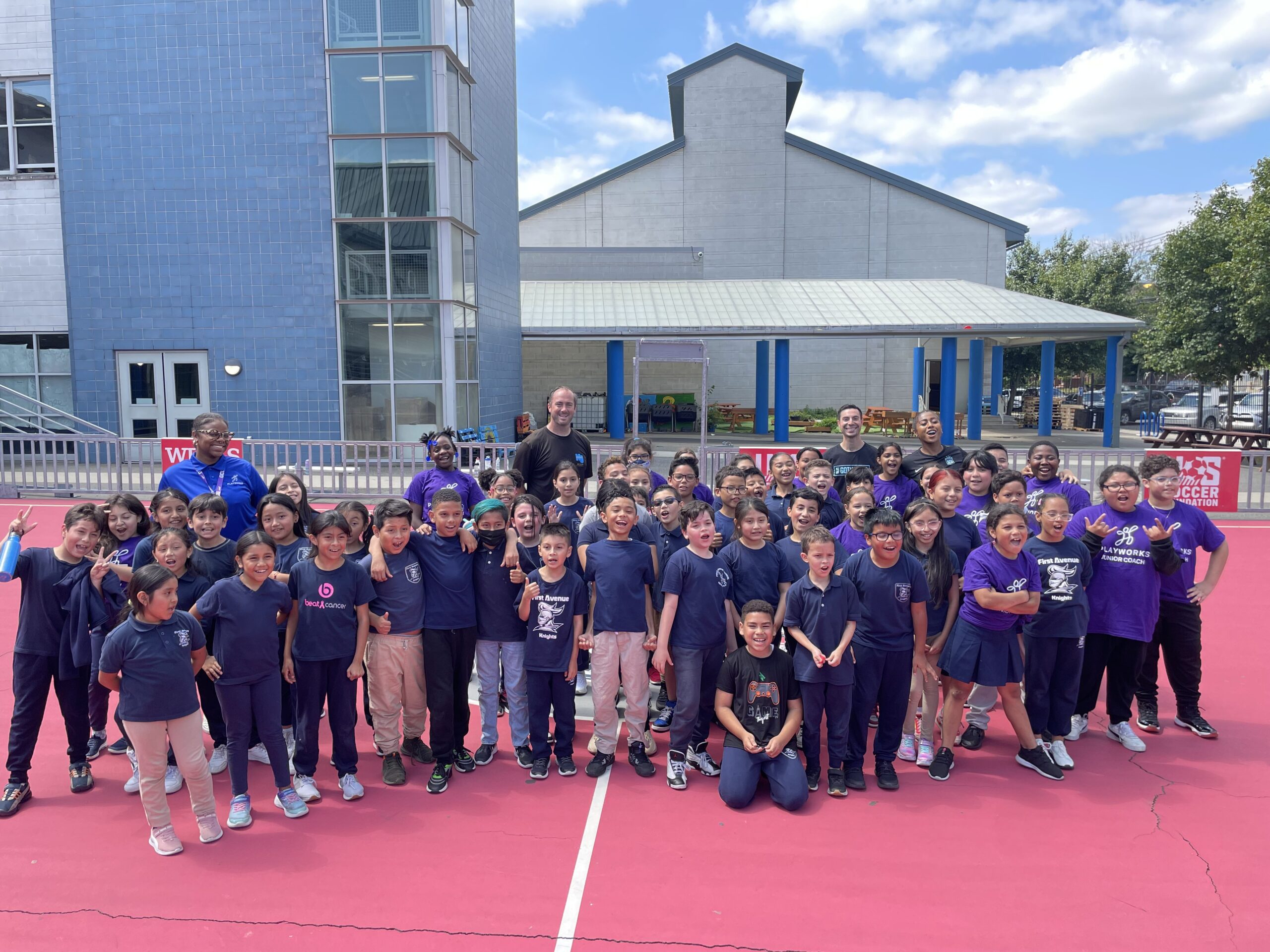
Why Trust and Presence Matter
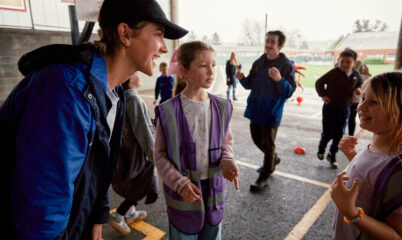
Just like professional athletes need coaches who believe in them, students thrive when they have trusted adults nearby. The presence of a consistent Playworker at recess matters more than any scoreboard. It shows students that someone shows up for them. Rain or shine. Every day.
When trust is built, students are more likely to take risks, try something new, and stick with it even when it’s hard. They’re also more likely to look out for others. That’s how team culture starts, when the focus isn’t on who’s the best, but on how we support one another.
What We Can Learn
Professional athletes remind us that success comes from trust, preparation, and shared goals. The same is true in schools.
When recess becomes a time for practicing leadership and building connection, it changes how students view themselves. They aren’t just kids running around a blacktop—they’re part of a team. And they carry that identity with them throughout the day.
We don’t need to wait for a World Cup to celebrate teamwork. We can build it every morning, right before the bell rings.
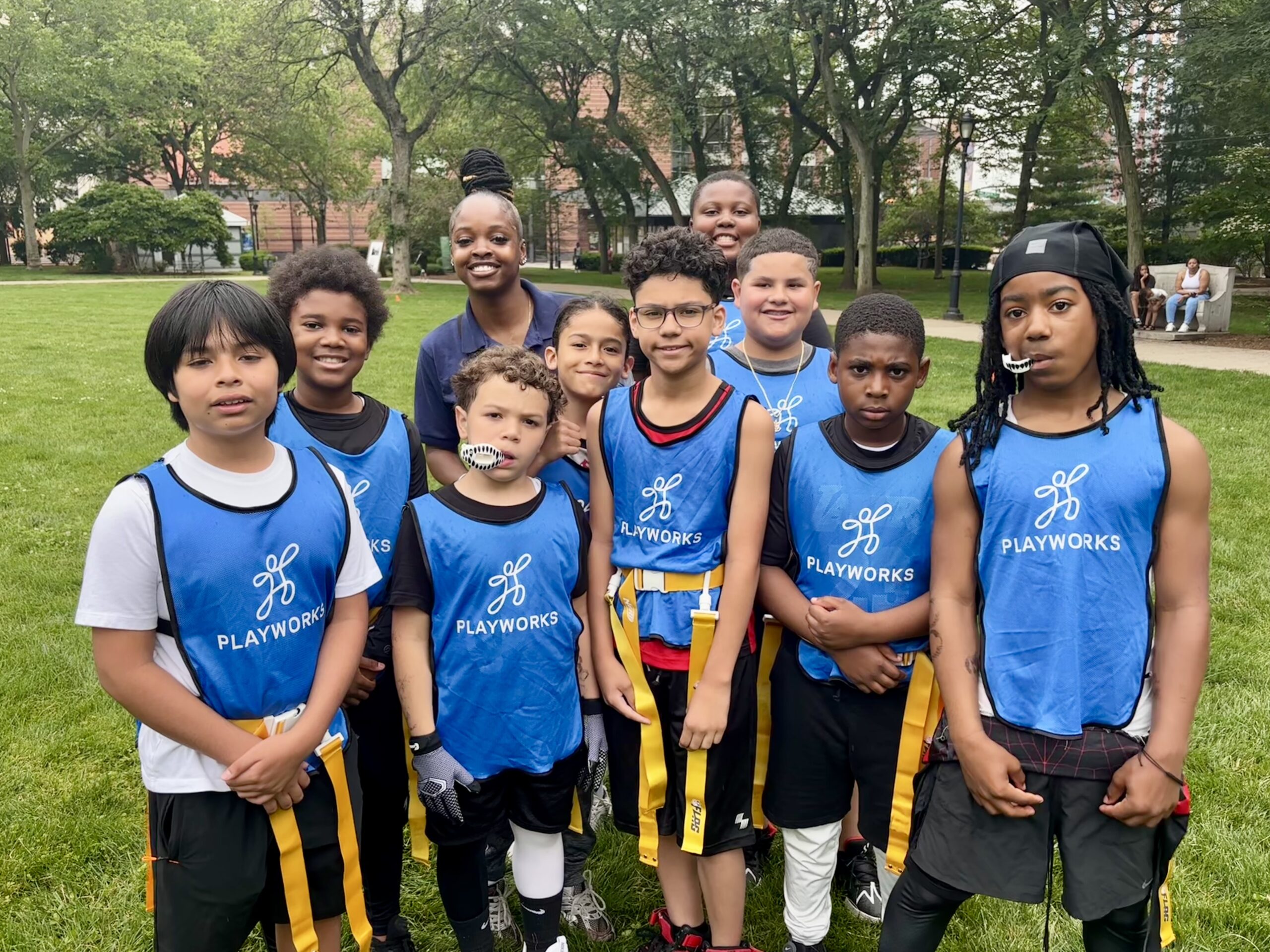
Redefining Champions
When we invest in play, we invest in the habits that make strong teams and strong communities. At Playworks we’re growing everyday leaders who know how to show up for others.
Join us in making every playground a place where team culture begins.